Hi, I am Aria, welcome to my life!

8 Best Prosthetic Liners for Below-Knee Amputees in 2026
**Bottom line:** Discover the best prosthetic liners and patches for below-knee amputees—plus top picks for hot spots, sweat, and daily comfort. **Tip:** choose the right thickness by measuring your distal end, mid-shaft, and top. **Caveat:** these won’t fix a loose socket. **Next:** find the ideal fit for your skin, shape, and activity level.

[affiliate_products]
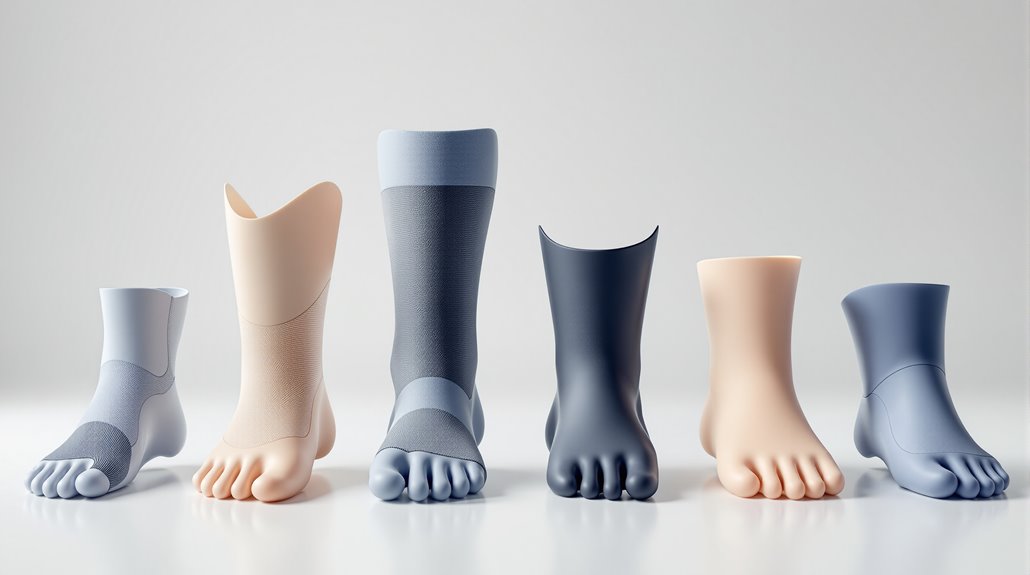
Bottom line: For below-knee amputees, the best liners and patches in [YEAR] are the 8 Pcs Prosthetic Liner Patches, EVA foam hot-spot patches, the 6 Pc Kit, soft anti-chafing gel sleeves, Tamarack GlideWear patches, and gel cushion sleeves for daily wear. Tip: match thickness to your limb shape, and measure the distal end, mid-shaft, and top. Caveat: none of these fix a loose socket. Next: the right choice depends on sweat, skin sensitivity, and how you move.
| 8 Pcs Prosthetic Liner Patches for Amputees | 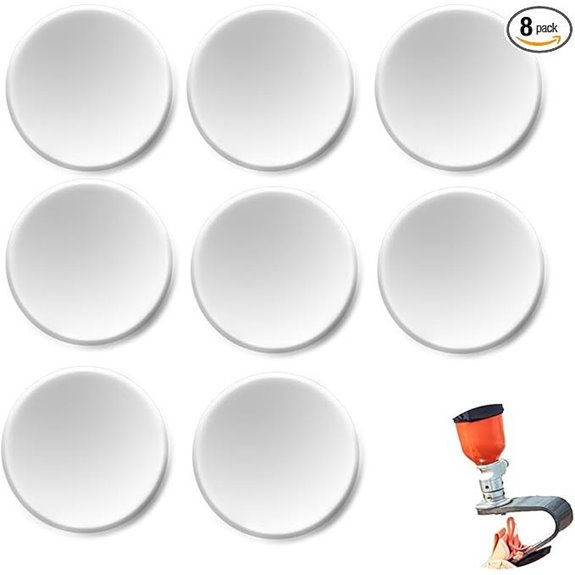 |
Best for Cushioning | Product Type: Gel liner patches | Quantity: 8-pack | Fit Area: Lower limb | VIEW LATEST PRICE | Read Our Analysis |
| Amputee Prosthetic Liner Patch for Skin Protection | 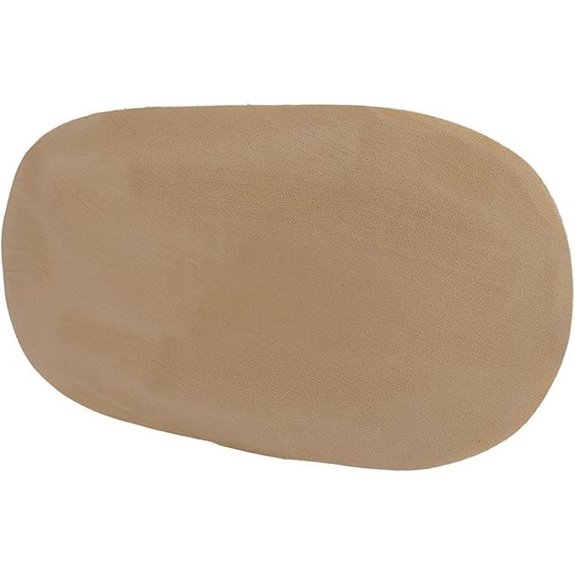 |
Best Skin Protection | Product Type: Foam liner patch | Quantity: Single patch | Fit Area: Residual limb | VIEW LATEST PRICE | Read Our Analysis |
| 6 Pc Prosthetic Liner Patch Kit for Amputees | 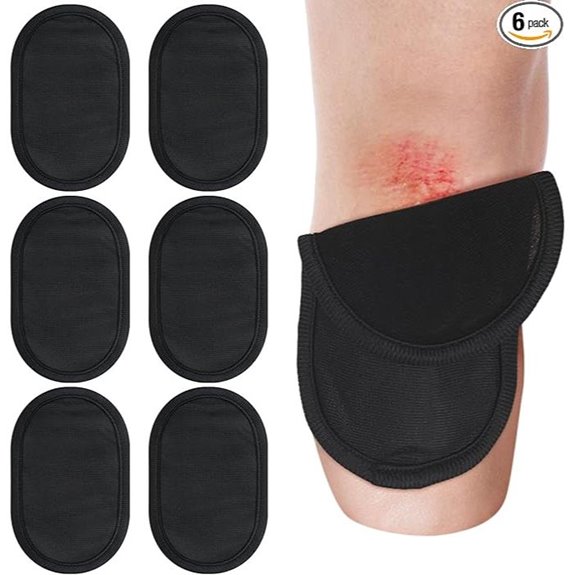 |
Best Breathable Pick | Product Type: Fabric liner patches | Quantity: 6-pack | Fit Area: Lower limb | VIEW LATEST PRICE | Read Our Analysis |
| Soft Anti-Chafing Gel Liner Sleeve for Amputees | 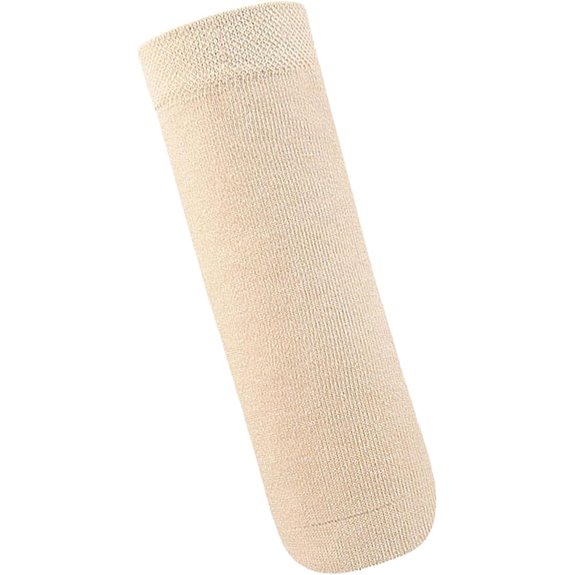 |
Best Gel Sleeve | Product Type: Gel liner sleeve | Quantity: 1-piece | Fit Area: Below-knee | VIEW LATEST PRICE | Read Our Analysis |
| Tamarack Prosthetic Liner Patch with GlideWear Technology (Large 2 Pack) | 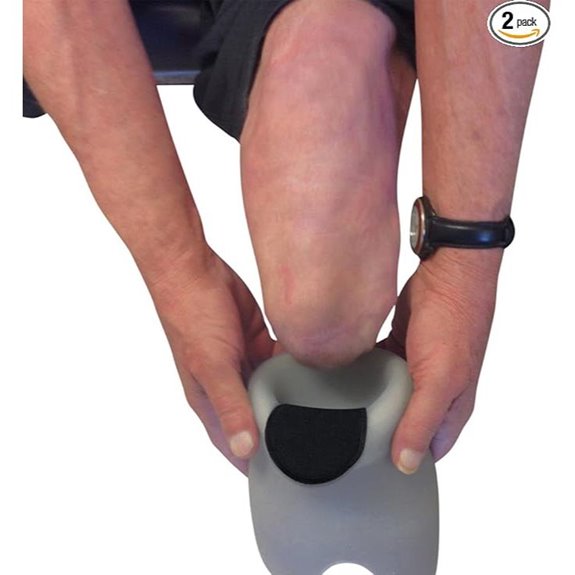 |
Best Premium Pick | Product Type: GlideWear liner patch | Quantity: 2-pack | Fit Area: Lower limb | VIEW LATEST PRICE | Read Our Analysis |
| Below Knee Prosthetic Sock Gel Cushion Sleeve | 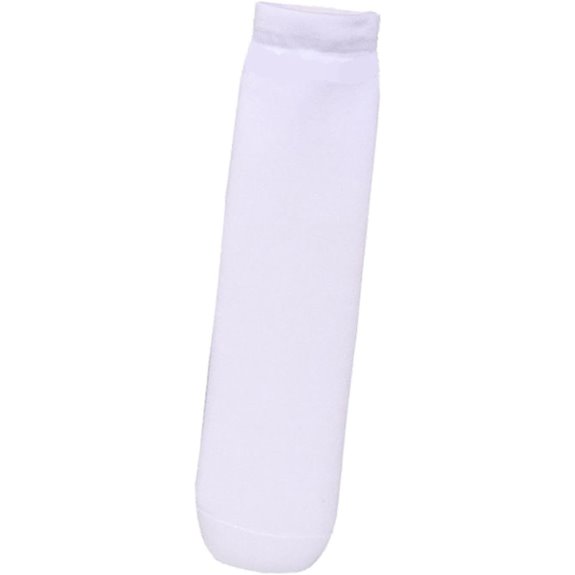 |
Best Secure Fit | Product Type: Gel cushion sleeve | Quantity: 1-piece | Fit Area: Below-knee | VIEW LATEST PRICE | Read Our Analysis |
| Prosthetic Gel Socks for Daily Wear | 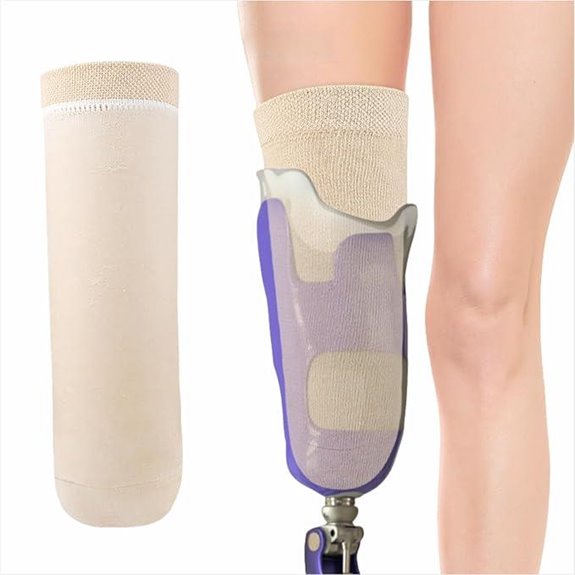 |
Best Daily Wear | Product Type: Gel socks | Quantity: 1-piece | Fit Area: Prosthetic limb | VIEW LATEST PRICE | Read Our Analysis |
| Soft Anti-Chafing Gel Liner Sleeve for Amputees | |
Best for Comfort | Product Type: Gel liner sleeve | Quantity: 1-piece | Fit Area: Below-knee | VIEW LATEST PRICE | Read Our Analysis |
More Details on Our Top Picks
-
8 Pcs Prosthetic Liner Patches for Amputees
Best for daily liner wearers who need extra protection: these 8 Pcs Prosthetic Liner Patches for Amputees are a solid pick if you deal with rubbing, sore spots, or breakdown on a below-knee prosthetic liner. You get eight gel pads, so you’re not stuck after one wears out. Tip: trim them to fit your liner, then place them where friction hits hardest. They’re soft, washable, reusable, and shaped for the limb. Caveat: they’re not a full fix for a poor socket fit. Still, they cushion impact, cut irritation, and help you walk, work, and exercise with less daily hassle.
- Product Type:Gel liner patches
- Quantity:8-pack
- Fit Area:Lower limb
- Cushioning:Gel cushioning
- Reusability:Washable/reusable
- Friction Protection:Reduces friction
- Additional Feature:8-piece package
- Additional Feature:Trim-to-size fit
- Additional Feature:Ergonomic contouring
-
Amputee Prosthetic Liner Patch for Skin Protection
If your residual limb keeps getting rubbed raw, a liner patch can be a smart fix. You place it where the liner hits hardest, and it cuts friction fast. Tip: choose EVA foam for cushioning and shock absorption, since it helps with redness, soreness, blisters, and early skin breakdown. Caveat: it won’t solve a loose socket, so check fit too. Bottom line: if you’re a below-knee amputee dealing with repeat hot spots, this small patch can protect skin, boost comfort, and make daily wear feel less like a wrestling match.
- Product Type:Foam liner patch
- Quantity:Single patch
- Fit Area:Residual limb
- Cushioning:EVA cushioning
- Reusability:Reusable
- Friction Protection:Skin protection
- Additional Feature:EVA foam cushioning
- Additional Feature:Protects from shear
- Additional Feature:Prevents blisters and ulcers
-
6 Pc Prosthetic Liner Patch Kit for Amputees
For many lower-limb amputees, this 6-piece prosthetic liner patch kit is a practical fix when a liner starts rubbing or breaking down. Each patch measures about 4.5 x 7.5 inches and comes in at 0.05 inches thick, so you’ve got enough coverage to help with hot spots, sore spots, and the kind of friction that can turn a normal walk into a bad day. Tip: the soft flocking fabric feels skin-friendly, breathes well, and helps wick sweat. Caveat: it won’t replace a worn liner. Bottom line: use it for daily comfort, backup, and easier mobility.
- Product Type:Fabric liner patches
- Quantity:6-pack
- Fit Area:Lower limb
- Cushioning:Fabric cushioning
- Reusability:Washable/reusable
- Friction Protection:Friction relief
- Additional Feature:0.05-inch thickness
- Additional Feature:Breathable fabric construction
- Additional Feature:Quick-drying material
-
Soft Anti-Chafing Gel Liner Sleeve for Amputees
The Soft Anti-Chafing Gel Liner Sleeve works well when your main problem is rubbing, pressure, and heat around a below-knee stump. It uses elastic gel and soft cotton, with a thick cushion that absorbs shock during walking or exercise. Tip: Wear it when long prosthesis time leaves your calf sore. The soft inner surface cuts friction, and the breathable gel helps keep skin drier, so odor and dampness don’t build up. It comes in one piece, in small or large sizes—check fit carefully. Caveat: measure twice, since 1–2 cm can matter.
- Product Type:Gel liner sleeve
- Quantity:1-piece
- Fit Area:Below-knee
- Cushioning:Thick gel cushioning
- Reusability:Reusable
- Friction Protection:Anti-chafing
- Additional Feature:Elastic gel blend
- Additional Feature:Cotton-lined interior
- Additional Feature:Two size options
-
Tamarack Prosthetic Liner Patch with GlideWear Technology (Large 2 Pack)
Best fit: the Tamarack Prosthetic Liner Patch with GlideWear Technology works well for below-knee amputees who keep getting rubbing, hot spots, or sore spots where the residual limb meets the liner. Why it helps: the silk-like, breathable patch cuts friction and shear, so you may dodge blisters and skin breakdown. It’s latex-free, made in the USA, and fits any gel liner. Tip: place it on clean skin, or cover broken skin first. Caveat: it can fold if you rush the fit. Two large patches, 4.5 x 7.5 inches, wash well and last.
- Product Type:GlideWear liner patch
- Quantity:2-pack
- Fit Area:Lower limb
- Cushioning:Shear-absorbing cushioning
- Reusability:Machine-washable
- Friction Protection:GlideWear friction control
- Additional Feature:GlideWear technology
- Additional Feature:Latex-free fabric
- Additional Feature:Made in USA
-
Below Knee Prosthetic Sock Gel Cushion Sleeve
If you want extra stump protection and a steadier feel, this Below Knee Prosthetic Sock Gel Cushion Sleeve is worth a close look. It’s made for below-knee amputees who need a soft layer under the socket, and it blends breathable cotton with medical-grade silicone grips to help keep the sleeve in place. Tip: the large size fits residual limbs 29.5–34 cm long, and the sleeve measures 34 cm × 12.5 cm. Caveat: hand-measured sizes can vary 1–2 cm. Since it adds gel cushioning, you get better pressure spread, but always check the sizing guide first.
- Product Type:Gel cushion sleeve
- Quantity:1-piece
- Fit Area:Below-knee
- Cushioning:Gel cushioning
- Reusability:Reusable
- Friction Protection:Pressure distribution
- Additional Feature:Medical-grade silicone grips
- Additional Feature:Orthopedic specialist consultation
- Additional Feature:Sizing guide included
-
Prosthetic Gel Socks for Daily Wear
Bottom line: Prosthetic Gel Socks are a solid pick for below-knee amputees who want a smoother, more comfortable daily wear option. You can wear them at home, at work, or out running errands, and they fit into your routine fast. The cotton and gel soft liner feels skin-friendly, with cushioning that helps during long days. Tip: keep one in your bag for quick swaps. They come in S and L, and each package includes one sock. Caveat: fit matters, so choose carefully. For everyday comfort and protection, they’re practical, simple, and easy to use.
- Product Type:Gel socks
- Quantity:1-piece
- Fit Area:Prosthetic limb
- Cushioning:Soft gel liner
- Reusability:Reusable
- Friction Protection:Skin-friendly comfort
- Additional Feature:Daily-wear design
- Additional Feature:Cotton and gel
- Additional Feature:Size options L/S
-
Soft Anti-Chafing Gel Liner Sleeve for Amputees
For below-knee amputees who deal with rubbing, heat, or sore spots, a soft anti-chafing gel liner sleeve can be a smart pick. It cushions your stump, absorbs shock, and helps cut pressure during walks or workouts. The soft, anti-abrasive inside guards your skin, so you’re less likely to get hot spots or raw edges. Tip: the breathable gel helps keep dampness and odor down, which matters on long days. It’s made for below-knee fit, and works best with a stump sock. Caveat: it can feel bulky, so try sizing carefully first.
- Product Type:Gel liner sleeve
- Quantity:1-piece
- Fit Area:Below-knee
- Cushioning:Thickened gel cushioning
- Reusability:Reusable
- Friction Protection:Anti-chafing
- Additional Feature:Thickened gel structure
- Additional Feature:Breathable gel material
- Additional Feature:Below-knee sleeve liner
Factors to Consider When Choosing Prosthetic Liners for Below-Knee Amputees
Tip: When you choose a prosthetic liner, start with how it fits your limb shape, as a snug match can cut pressure points and keep your socket stable. Watch for: friction control, cushioning support, and breathability, since sweat, rubbing, and heat can make long days much harder—especially if you walk a lot or stay active. Bottom line: pick a material that feels comfortable on your skin, holds up to daily use, and doesn’t trap dampness, or you’ll pay for it later with soreness and extra adjustments.
Limb Shape Fit
A well-fit liner starts with the limb’s shape, not just the shoe size. Measure your residual limb at the distal end, mid-shaft, and near the top, and check length too. That tells you if the liner matches your taper, and where it might pinch or gape. Tip: If your limb is bulbous or conical, pick contoured liners or trim-to-fit edges, since folds can turn into annoying pressure spots. Caveat: Match thickness to your tissue, too—thin, firmer liners suit muscular limbs, whereas thicker, softer ones help sensitive or thin tissue. Bottom line: Make certain suspension works with your volume stability, whether you use suction, pin, or a sleeve. Recheck fit after swelling changes or weight shifts, as 5–10 mm can matter.
Friction Reduction
Usually, the biggest comfort win comes from cutting down shear, not just adding softness. Tip: choose liners or patches with low-friction surfaces, like silk-like fabrics, EVA foam, or gel coatings. They help your skin slide less inside the socket. Watch out: if the liner feels too thin, friction rises; if it’s too thick, your fit can shift and create new hot spots. Practical move: look for textures or glide tech that reduce tangential movement, since that’s what causes blisters. Also: pick breathable, moisture-wicking materials—sweat turns friction nasty fast. Caveat: washable liners should stay slick after cleaning, or they’ll stiffen and wear poorly. Bottom line: a good liner manages shear, sweat, and fit together, so you can wear it longer with fewer skin problems.
Cushioning Support
Cushioning matters since it’s what helps your residual limb handle daily impact without feeling every step. Choose thickness for your activity level—thin gel can suit lighter use, whereas thicker sleeves cushion better for walking, work, or long days on your feet. As material matters too, compare silicone gel, EVA foam, and padded fabrics for comfort, energy return, and how well they keep their shape after repeated loading. Tip: look for targeted padding at the distal end and tibial crest, since those spots take the most abuse. Even, contouring support helps spread force, cuts pistoning, and lowers hotspot risk. Bottom line: pick a liner that feels good now, but still washes well and stays resilient, so you’re not shopping again next month.
Breathability Control
Tip: if you run warm, start with a liner that can breathe. Choose breathable cotton blends, moisture-wicking fabrics, or porous silicone and gel designs so air can move and heat won’t stack up. Tip: for sweaty days, look for quick-drying, perforated, or sweat-absorbing sleeves, as they help cut odor and skin maceration. Caution: thicker gel can cushion better, but it can additionally trap more warmth, so match thickness to your activity and climate. Tip: check fit and seam placement closely—bunching and rubbing create hot spots fast. And if you live in a hot, humid area, or you stay active, pick vapor-permeable or ventilated options, then pair them with breathable socks or sleeves. Bottom line: cooler skin usually means fewer problems and steadier wear.
Material Comfort
When you pick a prosthetic liner, comfort starts with the material against your skin. Tip: choose soft, skin-friendly surfaces like cotton, flocked fabric, or silk-like blends, since they cut rubbing and help stop redness. Also, look for gel inserts or EVA foam, since they spread pressure and soften impact when you walk or exercise. Since sweat turns small problems into big ones, pick breathable, moisture-wicking materials that keep damp skin from getting sore or smelly. Caveat: if your skin reacts easily, go latex-free and hypoallergenic, or you may end up itchy fast. Bottom line: you want a liner that feels gentle, cushions well, and still keeps its shape. Durable materials matter, too, since comfort shouldn’t fall apart after a few wears.
Washable Reusability
Often, the best prosthetic liner is the one you can wash without worrying it’ll fall apart. Tip: choose washable silicone, gel, EVA, or textile-faced gels, so you can clear sweat, oils, and microbes. Check the care label first—some liners handle machine washing and low heat, whereas others need hand washing and air drying. Caveat: heat can ruin stretch and adhesives fast. Go for thicker gels and reinforced fabrics if you want more wash cycles and better cushioning. They usually keep their shape longer, too. Watch for wear: tears, flat spots, lost tack, or thin cushioning mean it’s time to replace the liner. Bottom line: pick breathable, quick-drying materials, since less trapped dampness means less odor and fewer skin problems.
Size Selection
Start with the fit, not the label. Measure your residual limb at the distal end, mid-shaft, and near the top, then match those numbers to the liner maker’s size range so pressure spreads out evenly. Tip: pick thickness for your limb shape, too—use a cushioned liner if you’ve got sharp bone ends, and go thinner if your limb is already well padded. Caveat: if your volume changes during the day, choose stretchier materials, like silicone with graded compression or spandex blends, so it won’t slip. Check: the liner’s length and opening should cover your below-knee limb without folding, as folds rub. Bottom line: start with slight compression and even contact, then walk in it and look for blanching, bunching, or distal migration.
Daily Wear Durability
Tip: once you’ve got the right size, the next question is how long that liner will hold up in real life. Look for medical-grade silicone, reinforced nylon/spandex blends, or high-density gel, as these materials resist flattening and keep their cushion longer under daily walking, transfers, and socket friction. Caveat: cheap seams and rough edges wear out fast, especially if you don’t just wear the liner—you pull it on, take it off, wash it, and repeat that cycle every day. Check the maker’s wash guide, too, as machine-washable liners can save time, but hand-wash models may last longer. Ask about lifespan, as many hold up for months, even a year. And inspect flat seams, bonded edges, and tear ratings. Thicker isn’t always better, but it can help.
Frequently Asked Questions
How Often Should Prosthetic Liners Be Replaced?
You should replace prosthetic liners every 6 to 12 months, or sooner if they’re torn, stretched, uncomfortable, or causing skin problems. You’ll need more frequent changes with heavy use, sweating, or daily wear.
Can Prosthetic Liners Be Worn in Hot Weather?
Yes, you can wear prosthetic liners in hot weather, but you’ll need to manage sweat and heat carefully. Choose breathable liners, keep your skin dry, and take breaks if irritation or overheating starts.
Are Prosthetic Liners Compatible With All Prosthetic Sockets?
No, you can’t assume every liner fits every socket. You need to match liner thickness, suspension, and shape to your socket design, and your prosthetist should verify compatibility before you wear it.
How Do I Clean a Prosthetic Liner Properly?
You clean it by washing with mild soap and lukewarm water, then rinsing well and air-drying it completely. Don’t use harsh chemicals or heat, and check for tears or residue before wearing it again.
Can Prosthetic Liners Help Reduce Phantom Limb Pain?
Yes, you might find they help reduce phantom limb pain by improving socket comfort and sensory feedback. You should still talk with your prosthetist or clinician, since liners won’t work the same for everyone.
Conclusion
Bottom line: You want a liner that fits your socket, protects your skin, and won’t break down fast. Tip: Start with your daily wear needs—heavy walking, hot weather, or sensitive skin all change the pick. Since a bad fit can mean rubbing, sweat, and sore spots, check sizing, material, and grip before you buy. Caveat: Patches and sleeves help, but they’re not magic. Best move: choose the one that feels stable, then test it on real days.