Hi, I am Aria, welcome to my life!

8 Best Prosthetic Liners for Below-Knee Amputees That Fit Right
Find the best prosthetic liners for below-knee amputees that fit right. Learn which gel sleeves, stump socks, and anti-chafing pads reduce shear, stop pistoning, and improve comfort fast.

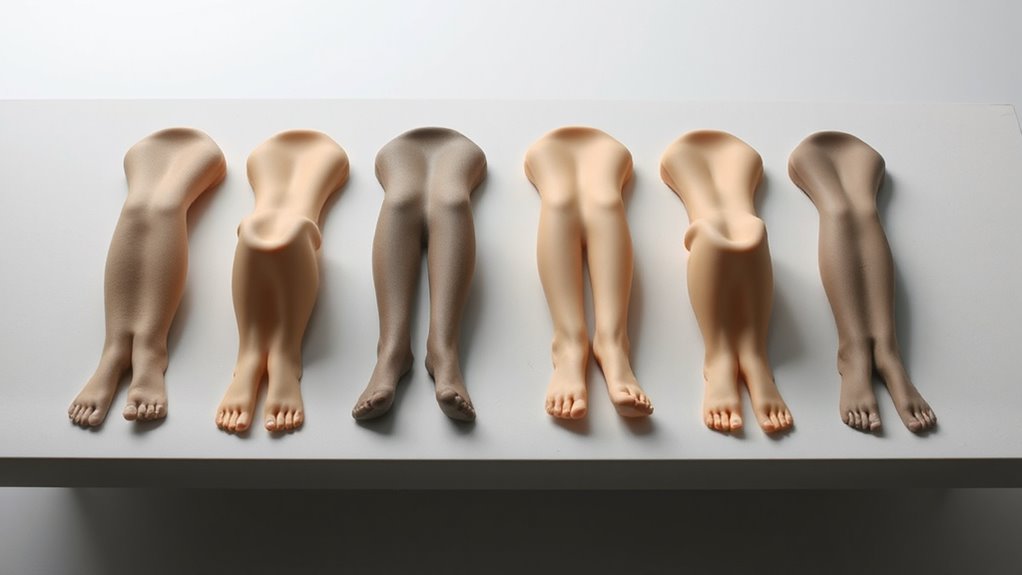
You need liners that match limb length, taper, and socket height: the large prosthetic gel liner, the thickened silicone-gel sleeve, the anti-chafing gel sleeve, cotton stump socks, gel patches, Geiserailie pads, and GlideWear patches. Use breathable elastic gel or silicone to cut shear, spread load, and stop pistoning. Measure within ±1–2 cm, or you’ll get bunching, edema, and distal pressure spikes. Keep going, and the fit details sharpen fast.
| Prosthetic Gel Liner for Below-Knee Amputees | 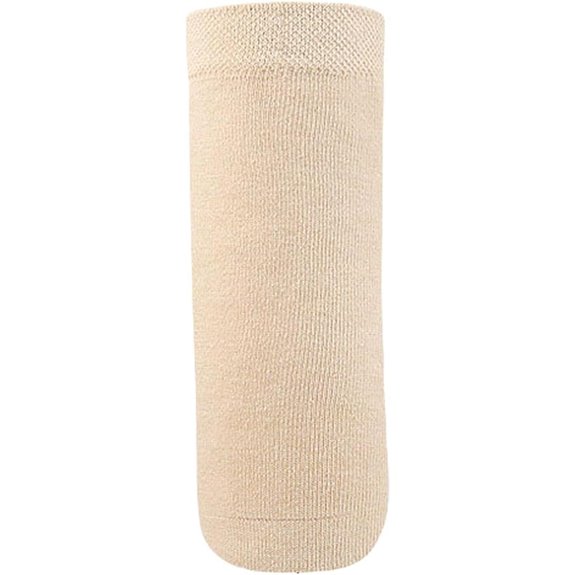 | Best Overall | Type: Gel liner sleeve | Intended Use: Below-knee amputation | Cushioning: Thick cushioning | VIEW LATEST PRICE | Read Our Analysis |
| Below-Knee Prosthetic Sock with Silicone Gel Cushion Sleeve | 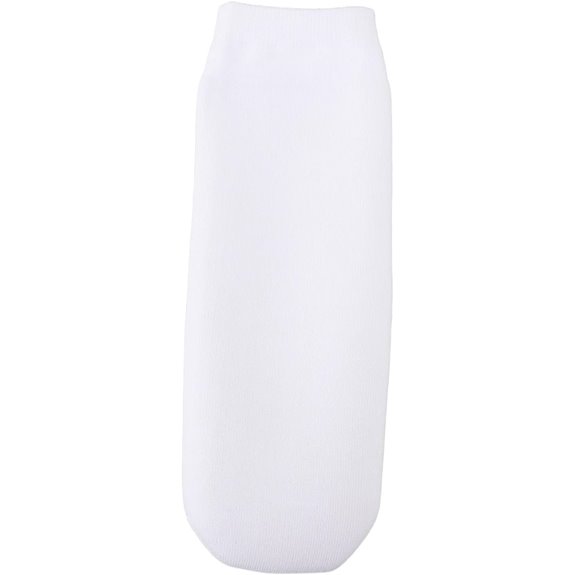 | Best Fit | Type: Silicone gel sock | Intended Use: Below-knee amputation | Cushioning: Thick gel cushion | VIEW LATEST PRICE | Read Our Analysis |
| Soft Anti-Chafing Gel Liner Sleeve for Amputees | 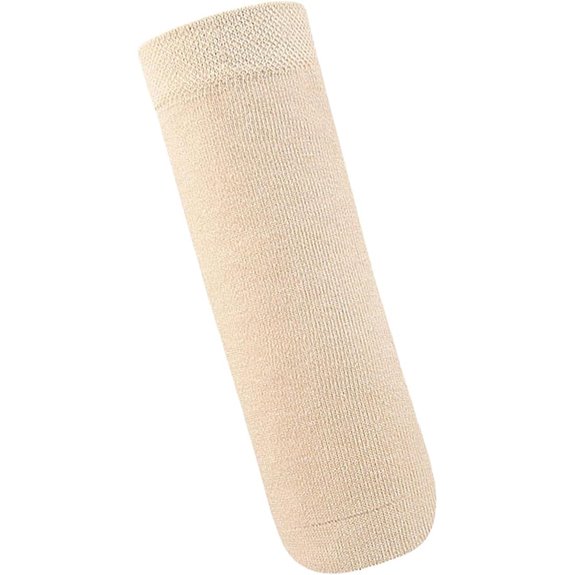 | Best Comfort | Type: Anti-chafing gel sleeve | Intended Use: Below-knee amputation | Cushioning: Thickened gel cushioning | VIEW LATEST PRICE | Read Our Analysis |
| Soft Elastic Cotton Protective Stump Socks for Amputees | 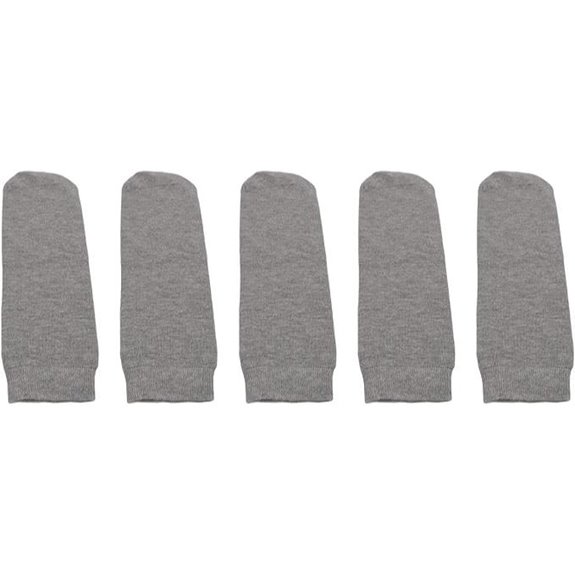 | Best Multipack | Type: Cotton stump socks | Intended Use: Below-knee amputation | Cushioning: Thickened cotton | VIEW LATEST PRICE | Read Our Analysis |
| Prosthetic Liner Patches for Amputees (8 Pcs) | 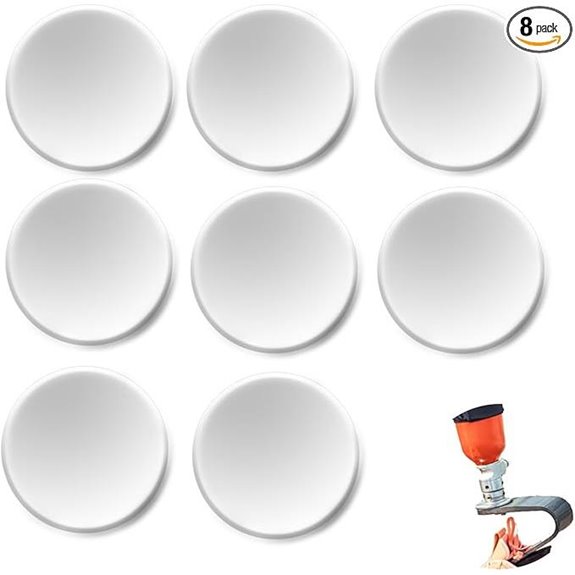 | Best Patches | Type: Gel liner patches | Intended Use: Lower-limb prosthesis | Cushioning: Gel cushioning | VIEW LATEST PRICE | Read Our Analysis |
| Geiserailie Prosthetic Leg Pads (6 Pcs) | 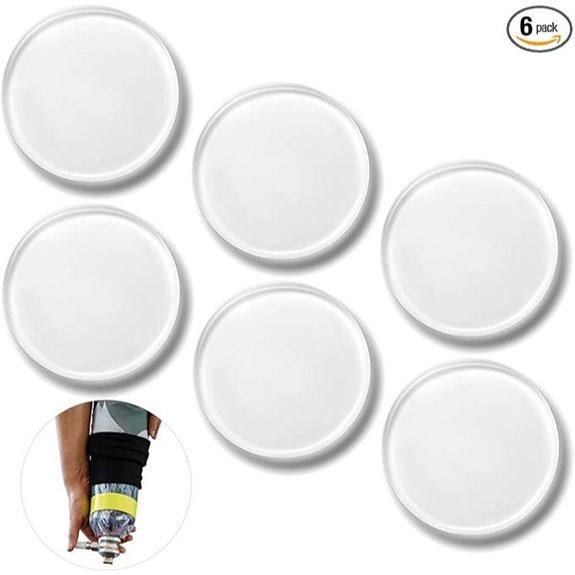 | Best Durable Pick | Type: Prosthetic liner patches | Intended Use: Below-knee prosthesis | Cushioning: Silicone gel cushioning | VIEW LATEST PRICE | Read Our Analysis |
| Prosthetic Gel Liner for Below Knee Amputees | 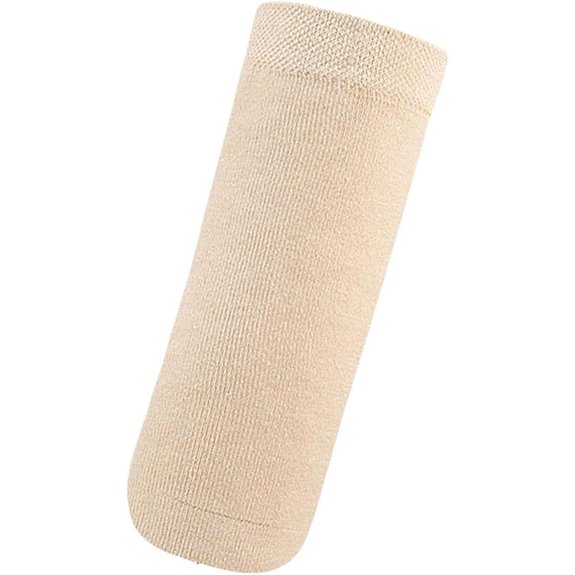 | Best For Wear | Type: Gel liner sleeve | Intended Use: Below-knee amputation | Cushioning: Thickened gel cushioning | VIEW LATEST PRICE | Read Our Analysis |
| Tamarack Prosthetic Liner Patch with GlideWear Technology (Large 2 Pack) | 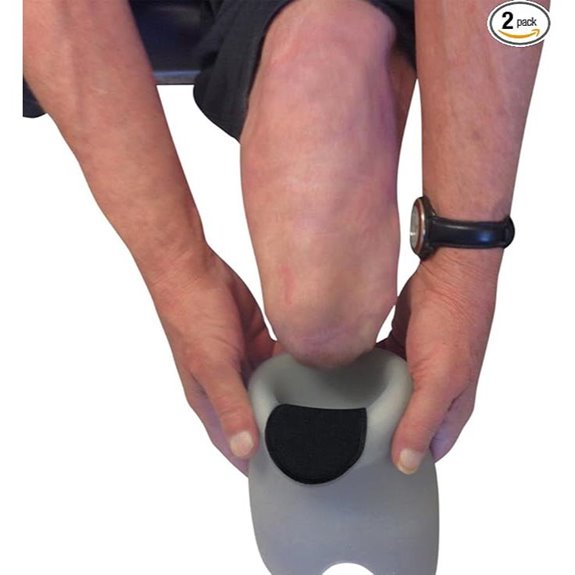 | Best Anti-Friction | Type: GlideWear liner patch | Intended Use: Lower-limb amputees | Cushioning: Shear cushioning | VIEW LATEST PRICE | Read Our Analysis |
More Details on Our Top Picks
Prosthetic Gel Liner for Below-Knee Amputees
If you’re dealing with a below-knee amputation and you need a liner that can take repeated loading without punishing the residual limb, use this prosthetic gel liner. It combines elastic gel with a soft cotton blend, adds a long cushioning layer, and absorbs shock during walking or exercise. Wear it to cut pressure on the amputation site, calf, and prosthetic socket. The anti-abrasive inner surface reduces friction; the breathable construction helps keep skin dry and limits odor. Choose large, 30 x 11.5 cm, or small, 25.5 x 10.5 cm. One piece per package.
- Type:Gel liner sleeve
- Intended Use:Below-knee amputation
- Cushioning:Thick cushioning
- Shock Absorption:Yes
- Breathability:Breathable
- Washability:Not stated
- Additional Feature:Elastic gel construction
- Additional Feature:Soft cotton-blend exterior
- Additional Feature:Anti-abrasive inner surface
Below-Knee Prosthetic Sock with Silicone Gel Cushion Sleeve
The Thickened Below-Knee Prosthetic Sock, Large is the right choice when you need a protective, load-dispersing interface for a residual limb measuring 29.5–34 cm in length. Wear the premium cotton exterior for breathability, and let the medical-grade silicone grips lock the sleeve in place. The thickened elastic gel cushion absorbs shock, spreads pressure, and shields skin from prosthetic shear. Use the integrated silicone stump protector as a barrier; don’t improvise with worn fabric. Its 34 cm × 12.5 cm size can vary 1–2 cm, so check the sizing chart first. Developed with orthopedic specialists.
- Type:Silicone gel sock
- Intended Use:Below-knee amputation
- Cushioning:Thick gel cushion
- Shock Absorption:Yes
- Breathability:Cotton breathable
- Washability:Care guide included
- Additional Feature:Medical-grade silicone grips
- Additional Feature:Orthopedic specialist consultation
- Additional Feature:Limb-length sizing guide
Soft Anti-Chafing Gel Liner Sleeve for Amputees
Soft anti-chafing gel liner sleeves are the right choice for below-knee amputees who need constant impact control, skin protection, and humidity management in one interface. Use the thickened gel, since it absorbs shock, cuts pressure on your stump and prosthesis, and keeps walking or training tolerable. The soft, anti-abrasive inner surface blocks friction—no rubbing, no raw skin. Wear it long-term; the non-irritating gel won’t punish you. Breathable material helps dry skin, suppress dampness, and reduce odor. Fit it as a cushioned stump sock sleeve, and protect your calf during extended prosthesis use.
- Type:Anti-chafing gel sleeve
- Intended Use:Below-knee amputation
- Cushioning:Thickened gel cushioning
- Shock Absorption:Yes
- Breathability:Breathable
- Washability:Not stated
- Additional Feature:Thickened gel layer
- Additional Feature:Anti-chafing sleeve liner
- Additional Feature:Below-knee amputee fit
Soft Elastic Cotton Protective Stump Socks for Amputees
Built for below-knee amputees who need a protective layer that won’t trap heat or fight the skin, these 5-piece soft elastic cotton stump socks deliver exactly that: high-quality cotton, high-density knitting, and a thickened stump zone that cushions the residual limb as it absorbs sweat and stays breathable. Use them for home care or rehab, then rotate the five socks as spare replacements. The seamless construction, fine stitching, and anti-hemming opening reduce pressure points. High elasticity speeds donning and doffing. Keep them clean, dry, and pilling-free; inferior wraps that retain dampness and irritate skin are unacceptable.
- Type:Cotton stump socks
- Intended Use:Below-knee amputation
- Cushioning:Thickened cotton
- Shock Absorption:No
- Breathability:Breathable
- Washability:Not stated
- Additional Feature:5-piece value pack
- Additional Feature:Seamless knitted construction
- Additional Feature:High-density stitching
Prosthetic Liner Patches for Amputees (8 Pcs)
Prosthetic liner patches for amputees are for the below-knee user who needs immediate friction control, localized cushioning, and repeatable support through a full day of prosthesis wear. Use the 8-pack; that quantity covers daily rotation, so you don’t interrupt comfort or activity. Each 2.6-inch gel pad is soft, resilient, washable, reusable, and trim-to-fit. Place it where the liner rubs. The contoured profile matches limb geometry, cuts irritation, absorbs impact, and protects the residual limb during walking or exercise. Stop tolerating raw skin; patch the failure point now.
- Type:Gel liner patches
- Intended Use:Lower-limb prosthesis
- Cushioning:Gel cushioning
- Shock Absorption:Yes
- Breathability:Not stated
- Washability:Washable
- Additional Feature:Eight-piece pack
- Additional Feature:Trim-to-fit patches
- Additional Feature:2.6-inch diameter
Geiserailie Prosthetic Leg Pads (6 Pcs)
For below-knee amputees who need immediate relief from socket friction, Geiserailie Prosthetic Leg Pads (6 Pcs) give you a practical spare-cushion system—six silicone gel patches per package, each about 2.5 inches, ready to reduce pain, redness, shearing, and impact stress where the prosthesis contacts the limb. Use them as backup interface padding. The premium silicone gel cushions movement, preserves limb comfort, and supports a snug fit. Keep them clean; the breathable, sweat-absorbing fabric sheds dirt, and you can hand wash or machine wash them. Replace worn pads without delay. Ignoring friction invites breakdown.
- Type:Prosthetic liner patches
- Intended Use:Below-knee prosthesis
- Cushioning:Silicone gel cushioning
- Shock Absorption:Yes
- Breathability:Breathable
- Washability:Hand/machine washable
- Additional Feature:Six-piece pack
- Additional Feature:2.5-inch patches
- Additional Feature:Hand or machine wash
Prosthetic Gel Liner for Below Knee Amputees
Choose the prosthetic gel liner if you need a below-knee interface that prioritizes long-term wear, skin protection, and stable load distribution. Use the elastic gel and cotton-blend sleeve to shield your calf and stump. The soft, anti-abrasive inner layer cuts friction; don’t ignore it. Thickened gel absorbs shock during walking and exercise, during which the special shock-absorbing structure reduces pressure at the amputation site and on the prosthesis. Its breathable build fights dampness and odor. Pick large, 30 x 11.5 cm, or small, 25.5 x 10.5 cm. One piece only; measure carefully, since 1–2 cm variance happens.
- Type:Gel liner sleeve
- Intended Use:Below-knee amputation
- Cushioning:Thickened gel cushioning
- Shock Absorption:Yes
- Breathability:Breathable
- Washability:Not stated
- Additional Feature:Large and small sizes
- Additional Feature:Cotton-blend construction
- Additional Feature:One-piece sleeve
Tamarack Prosthetic Liner Patch with GlideWear Technology (Large 2 Pack)
Tamarack’s Prosthetic Liner Patch with GlideWear Technology is the right tool when your residual limb keeps grinding against the gel liner and the result is friction pain, redness, soreness, hot spots, blisters, or early skin breakdown. Place the 4.5 x 7.5 inch patch where contact is worst; let its 85% nylon, 15% spandex, latex-free fabric and patented GlideWear layer cut shear. It’s breathable, machine-washable, and stays put under any gel liner. If skin’s open, clean it, dress it properly, then apply. Use the two-pack; replace worn patches immediately.
- Type:GlideWear liner patch
- Intended Use:Lower-limb amputees
- Cushioning:Shear cushioning
- Shock Absorption:Yes
- Breathability:Breathable
- Washability:Machine washable
- Additional Feature:GlideWear shear technology
- Additional Feature:Latex-free fabric blend
- Additional Feature:Made in USA
Factors to Consider When Choosing Prosthetic Liners for Below-Knee Amputees
You need a liner that matches the residual limb with near-total surface contact, since even small voids drive pistoning, shear, and distal pressure spikes. Demand real cushioning and shock absorption, then verify breathability, dampness control, friction reduction, and skin protection in the material spec—silicone, gel, or urethane each trades heat buildup, durability, and comfort differently. Ignore guesswork: select only a liner that keeps the skin dry, limits abrasion, and holds its structure under daily loading without premature breakdown.
Residual Limb Fit
Residual limb fit starts with measurement, not guesswork. Measure circumference and length at the distal end, mid-calf, and every 10 cm; keep the liner size within the manufacturer’s ±1–2 cm tolerance. Match liner thickness and gel layout to your limb shape: bulbous or tender distal ends need thicker gel, whereas a tight socket may demand a thinner profile. Check taper and proximal edge contour, too. Conical limbs need a different profile than cylindrical ones, or you’ll create bunching, skin folds, and pressure spikes during donning and gait. Choose a material and elasticity that compress soft tissue without strangling it. Too much compression invites distal edema; too little ruins suspension. Recheck fit after weight change, swelling, or activity shifts. Socket problems don’t fix themselves.
Cushioning And Shock Absorption
Cushioning starts where fit leaves off: if the liner doesn’t hold intimate contact, shock loads concentrate at the distal tibia, fibular head, and anterior crest, and the socket punishes every step. Choose thicker gel liners with long coverage; they blunt impact better and cut peak force during walking and exercise. Specify elastic gel or silicone when you need pressure spread across the stump, not a hot spot that breeds pain or breakdown. Don’t accept soft material alone—resilience matters. A compliant gel that rebounds slowly will absorb more impact, but repeated compression can flatten it and kill protection. Match liner and sleeve dimensions exactly; gaps, bunching, and migration destroy shock absorption. Select materials that preserve cushioning under sweat, since dampness can stiffen gel, raise friction, and turn a good liner useless fast.
Breathability And Moisture Control
For heat management and skin integrity, specify liner systems that move air and sweat, not trap them. Choose breathable textiles—cotton blends, nylon/spandex mixes, perforated silicone, or vented gel—that keep convection moving and reduce socket heat. Demand moisture-wicking sleeves or sweat-absorbing fabrics; they pull perspiration off the limb, limiting maceration, odor, and the damp film that feeds bacteria. Use liners with thin breathable zones or segmented ventilation panels when bulk isn’t needed; you keep suspension whilst lowering internal humidity. Favor constructions that dry fast after washing or after a long day, since lingering moisture accelerates microbial growth and skin breakdown. Inspect your residual limb daily: softening, redness, or odor means the system’s failing. Adjust immediately.
Friction And Skin Protection
Skin protection starts with the liner’s inner face. Choose a silk-like or cotton-blend surface; it cuts abrasion and helps prevent hot spots, blisters, and skin breakdown. Don’t tolerate shear. That tangential force, not simple pressure, drives most socket injuries, so demand liners with low-friction coatings or anti-shear construction. Lock the fit down with correct sizing or silicone grips; micro-movement equals rubbing, and rubbing becomes damage. Keep skin dry, too: breathable, sweat-wicking materials reduce maceration, irritation, and infection risk. For recurring rub points, use thin adhesive or patchable barrier inserts, then trim or reposition them until the contact patch is clean. If a liner slips, scrapes, or traps sweat, reject it. Your skin won’t negotiate.
Material Comfort And Durability
Material choice decides whether the liner protects the limb or punishes it. Choose medical-grade silicone or elastic gel with cotton, or nylon-spandex textiles; these materials cushion, breathe, and stay skin-friendly. Demand thick gel layers and shock-absorbing structures, since they cut impact loads and spread pressure during walking or exercise, lowering residual-limb pain. Use anti-abrasive inner surfaces and breathable construction to suppress friction, dampness, odor, and irritation during long wear. Inspect durability: the liner must wash clean, resist compression set, and keep its resilience after repeated loading. Trimable or replaceable sections help preserve cushioning over time. Match elasticity and thickness to your limb shape and activity level; too much bulk slows donning, whereas too little elastic support fails fast.
Size And Compatibility
Measure the residual limb before you buy anything: take circumference at the proximal, mid, and distal levels, record length from end-bearing point to the socket interface, and compare every value against the manufacturer’s size chart with its stated tolerance—typically about 1–2 cm. Pick a liner length that matches socket height: short sleeves for low-profile sockets, long stockings when you need calf coverage and extra cushioning. Don’t ignore thickness; dense silicone or less-compressible gel can crowd the socket and force volume changes. Check the distal end shape and diameter. If they don’t mirror your limb, you’ll get bunching, pressure points, shear, and pistoning. Add stump socks, pads, or patches only after verifying total bulk still fits within tolerance.
Frequently Asked Questions
How Often Should a Below-Knee Prosthetic Liner Be Replaced?
You should replace your below-knee prosthetic liner every 6 to 12 months, or sooner if it cracks, stretches, loses cushioning, or smells persistently. Your prosthetist can help you judge wear and fit.
Can Prosthetic Liners Be Worn During Hot Weather?
Yes, you can wear prosthetic liners in hot weather, but you’ll likely sweat more. Choose breathable materials, keep your skin dry, and check for irritation often. If it gets uncomfortable, you should adjust your routine.
How Do I Clean a Prosthetic Liner Properly?
You wash it daily with mild soap and lukewarm water, rinse thoroughly, then air-dry completely. Don’t use harsh cleaners, heat, or direct sunlight, and check for tears or buildup before wearing it again.
What Signs Show My Liner No Longer Fits Correctly?
You’ll notice slipping, pinching, pain, skin irritation, pressure spots, extra sweating, or air gaps. Your socket may feel looser, and you might need more socks. If these show up, get it checked immediately.
Can I Switch Liner Types Without Changing My Socket?
Yes, you can sometimes switch liner types without changing your socket, but you’ll need to check fit, thickness, suspension, and comfort carefully. Your prosthetist should test it, as small differences can affect alignment and skin safety.