Hi, I am Aria, welcome to my life!

3 Best Adaptive Underwear for Lower Limb Amputees That Work
Find the best adaptive underwear for lower limb amputees with easy one-handed access, soft cotton blends, and adjustable waistbands that simplify recovery, protect sensitive skin, and save caregiver time.

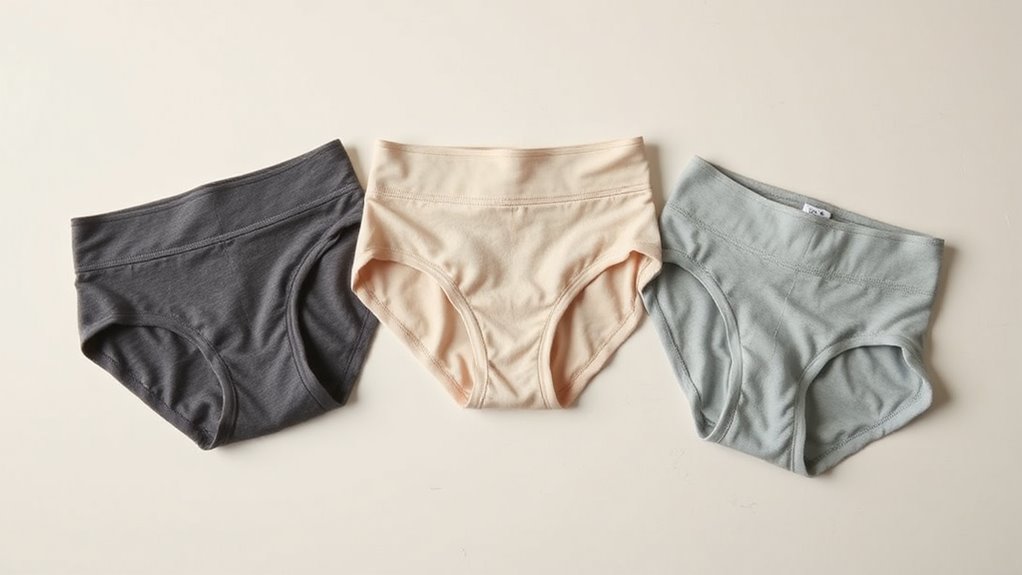
Choose the 3 PCS Post Surgery Tear Away Shorts, 3 Pack Tear Away Boxer Briefs, and Easy Adapt Women’s Tear-Away Underwear. You need 95% cotton blends, hook-and-loop or stick-on side closures, and adjustable waistbands spanning 25–43 inches. Those features let you expose the stump, socket, or dressing one-handed, seated, without bending, lifting, or shearing skin. Reject full-undress designs; they waste time and strain caregivers. Keep going, and you’ll see how to choose the right pair for recovery.
| 3 PCS Post Surgery Tear Away Shorts for Men | 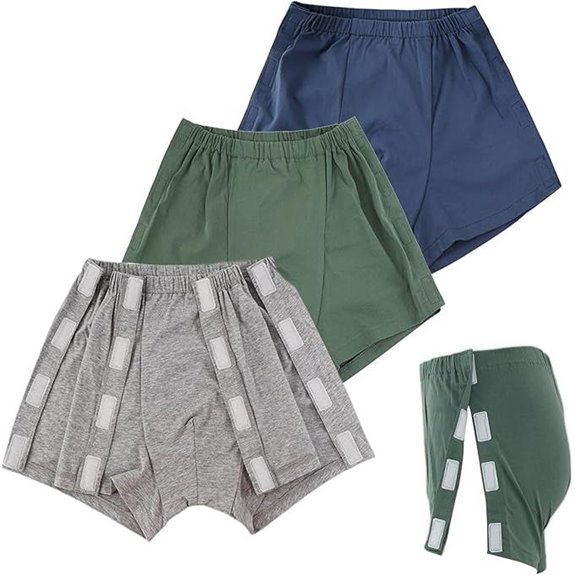 | Best for Recovery | Adaptive Design: Tear-away shorts | Closure Type: Hook-and-loop | Cotton Blend: 95% cotton | VIEW LATEST PRICE | Read Our Analysis |
| 3 Pack Tear Away Boxer Briefs for Men |  | Best for Limited Mobility | Adaptive Design: Tear-away boxer briefs | Closure Type: Hook-and-loop | Cotton Blend: 95% cotton | VIEW LATEST PRICE | Read Our Analysis |
| Easy Adapt Women’s Tear-Away Underwear (Pack of 2) | 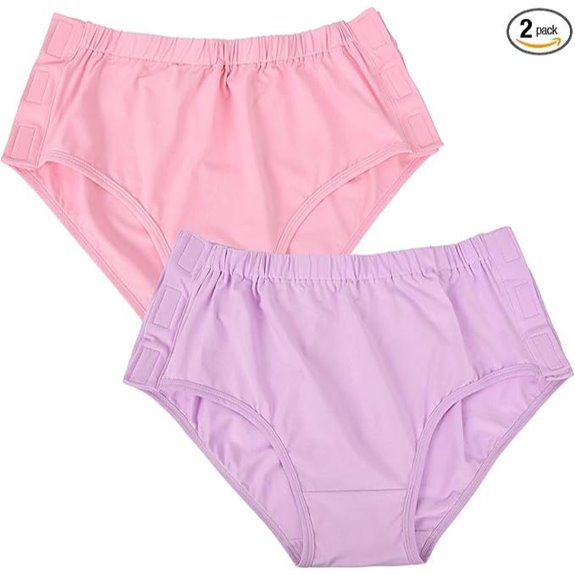 | Best for Women | Adaptive Design: Tear-away underwear | Closure Type: Magic stick | Cotton Blend: 95% cotton | VIEW LATEST PRICE | Read Our Analysis |
More Details on Our Top Picks
3 PCS Post Surgery Tear Away Shorts for Men
The 3 PCS Post Surgery Tear Away Shorts for Men are the right call when you need fast access, controlled compression, and zero wrestling at dressing time—especially for lower-limb amputees, post-op patients, men in physical therapy, and anyone managing limited mobility or incontinence. You get 95% cotton, 5% fibers, so the fabric stays breathable and skin-friendly. Use the hook-and-loop closure; tear it away for fast dressing. The elastic waistband adjusts from 25.1 to 43.3 inches, covering M through 3XL. Machine wash cold. Secure the Velcro first. Wash dark colors separately. Three shorts in each pack.
- Adaptive Design:Tear-away shorts
- Closure Type:Hook-and-loop
- Cotton Blend:95% cotton
- Elastic Waist:Adjustable waistband
- Recovery Use:Post-surgery recovery
- Machine Washable:Yes
- Additional Feature:3-piece pack
- Additional Feature:Adjustable 25.1–43.3″ waist
- Additional Feature:Skin-friendly breathable fabric
3 Pack Tear Away Boxer Briefs for Men
Use the 3 Pack Tear Away Boxer Briefs for Men when you need lower-limb access fast and can’t afford to lift, roll, or drag fabric over a healing hip, knee, or residual limb. These post-surgery boxer briefs use 95% cotton and 5% other fibers, with rounded-corner hook-and-loop closures on both sides for clean tear-away removal. Keep the stick-on fastener closed before washing. Cold water limits cotton shrinkage; wash dark colors separately first. Choose this adaptive pair if your waist measures 25.2–27.1 inches and you need reliable support during rehab, bed rest, incontinence care, or post-op physical therapy.
- Adaptive Design:Tear-away boxer briefs
- Closure Type:Hook-and-loop
- Cotton Blend:95% cotton
- Elastic Waist:Adjustable elastic waist
- Recovery Use:Post-surgery recovery
- Machine Washable:Yes
- Additional Feature:Rounded-corner fasteners
- Additional Feature:Open side closures
- Additional Feature:88–121 lb range
Easy Adapt Women’s Tear-Away Underwear (Pack of 2)
Easy Adapt Women’s Tear-Away Underwear (Pack of 2) suits women who need rapid access without sacrificing containment—post-surgical patients, long-term bed-rest cases, fracture recovery, limited limb mobility, or any situation demanding frequent clothing changes. You get 95% cotton and 5% spandex, so the fabric breathes as it stretches under movement. Use the magic-stick closure on both sides; it locks securely, then releases fast for dressing, undressing, inspection, and treatment. Pack of 2, medium size. Keep the fit close, the access immediate, and the care process efficient. Stop fighting garments that slow you down.
- Adaptive Design:Tear-away underwear
- Closure Type:Magic stick
- Cotton Blend:95% cotton
- Elastic Waist:Elastic fit
- Recovery Use:Post-surgery recovery
- Machine Washable:Yes
- Additional Feature:Pack of 2
- Additional Feature:Double-side magic closure
- Additional Feature:Supports dignified care
Factors to Consider When Choosing Adaptive Underwear for Lower Limb Amputees
Choose underwear that you can put on fast, with a side-opening design that reduces hip flexion, skin shear, and dressing time, as clumsy pull-on styles fail under limited mobility. Prioritize soft, breathable fabric—cotton or damp-wicking blends—and a secure adjustable fit, since excess compression traps heat whilst loose panels shift, abrade skin, and compromise coverage. If a caregiver has to assist, the opening pattern must allow direct access without full removal; otherwise, you’ve bought a garment that works against the care routine.
Ease Of Dressing
Make dressing and undressing as frictionless as possible. Choose tear-away or open-side underwear with hook-and-loop or stick-on fasteners; you shouldn’t need to lift or rotate the leg, and your caregiver shouldn’t either. Use adjustable waistbands and elasticized panels, since residual-limb volume changes demand a margin of expansion, not a fight. Select high-cotton blends with spandex so the fabric slides cleanly, then snaps back into a secure fit. Put closures on the intact side or at the waistline when you need one-handed or seated dressing after transfemoral or transtibial amputation. Demand access to sockets, liners, or wound sites for inspection and prosthetic servicing. If a design forces full undressing, reject it. It wastes time, increases strain, and turns routine care into avoidable labor.
Side Opening Design
Side-opening underwear should split fast and clean along one or both hips, with full-length hook-and-loop closures that let you remove the garment without lifting, twisting, or bending the residual limb. Choose dual-side access when you need ambidextrous use or variable laterality; one-sided panels are fine, but only if they match your transfer pattern. Demand rounded corners and wide Velcro strips, since they spread shear load and cut pressure at the incision or stump. Verify the closure holds during transfers, then tears away on command in an emergency. Open-side construction must expose the limb for wound checks, prosthetic fitting, or stump care without full undressing, so your dressings stay undisturbed. Adjustable waistbands keep alignment stable. Reject flimsy fasteners; they fail under load and slip when you move.
Soft Breathable Fabric
Fabric choice determines whether the garment supports the residual limb or turns into a heat trap. You need high-cotton fabric—about 95% cotton, or a cotton blend—to keep air moving and dampness from pooling at the stump. Choose knit structures that wick sweat and stay soft after repeated wear; stagnant dampness macerates skin and invites dermatitis or infection. Add a small spandex fraction for compliance, not compression, so the cloth flexes without abrasive seams chewing fragile tissue. Reject heavy, synthetic-only textiles; they hold heat, spike friction, and turn daily use into misery. Check care labels. Machine-washable fabric that tolerates cold wash keeps fibers intact, preserves breathability, and resists shrinkage. If the cloth stiffens, pills, or thins, replace it. Needlessly stubborn fabric has no place here.
Secure Adjustable Fit
When swelling, transfers, and prosthesis use all change the load on the garment, you need underwear that stays locked in place without forcing you to tug at a limp waistband every hour. Choose hook-and-loop or tear-away Velcro closures; they open and reclose repeatedly without shedding grip. Demand a waistband with a 25–43 in, 64–110 cm adjustability span, since edema and weight shifts aren’t optional. Put fasteners on the side or front so tension changes happen cleanly, without disturbing dressings or dragging the residual limb. Insist on multiple hook positions or overlapping strips for fine tuning—compression, stump protection, and anti-slip control depend on it. After laundering, cheap elastic dies; pick resilient fabrics and fasteners that hold tension through repeated washes, or expect readjustment and slippage.
Caregiver Access Needs
Secure fit means little if the garment can’t be opened fast enough for care. You need side or full-length tear-away or adhesive closures, since they let you remove underwear without lifting or torqueing the residual limb. Use dual-side openings with hook-and-loop or stick-on fasteners; they speed wound inspection, socket checks, and dressing changes. Choose elastic or adjustable waistbands that you can loosen from a seated position, so you expose the stump while keeping the rest covered. Insist on closures you can operate one-handed, or with gloved hands, when you’re managing IV lines, dressings, or assistive devices. Pick breathable, machine-washable fabric, and secure fasteners before laundering; that cuts handling time and preserves hygiene. If access is awkward, reject it.
Washability And Durability
As repeated laundering will expose weak construction fast, choose adaptive underwear built from high-cotton fabric—about 95% cotton with a small stretch-fiber blend—so you get breathability without sacrificing shape retention after wash cycles. Demand reinforced seams and elastic waistbands; plain stitching fails under routine agitation. Use closures designed to be fastened before washing—hook-and-loop or stick-on types—so they don’t snag, tear, or shred other garments. Follow cold-water machine wash instructions without improvising; heat drives cotton shrinkage and accelerates dye loss, especially in dark fabric. Read the care label. Verify the expected wash cycles, secured-fastener requirement, and temperature limit before purchase. If the instructions are vague, the product’s lifespan is probably poor. Buy accordingly.
Recovery And Mobility
Recovery changes the job description for adaptive underwear: you’re no longer just preserving wash durability, you’re engineering for dressing speed, wound access, and mobility under rehab conditions. Use side or tear-away closures—hook-and-loop, stick-on fasteners, nothing fussy—so you can dress without lifting or bending the residual limb. Choose 90–95% cotton with stretch; it cuts maceration risk and tolerates volume shifts during early rehab. Demand adjustable waistbands spanning roughly 25–43 inches so transfers, prosthetic donning, and sit-to-stand shifts don’t fight the garment. Insist on full stump and surgical-site access for inspection and dressing changes. Machine-washable construction matters, as therapy sweat and drainage aren’t optional. Skip rigid, high-friction seams; they shear skin and slow recovery.
Frequently Asked Questions
Can Adaptive Underwear Be Worn With a Prosthetic Limb?
Yes, you can wear adaptive underwear with a prosthetic limb if it fits well and doesn’t bunch or rub. You should choose seamless, stretchy styles, and adjust your prosthesis securely for comfort.
How Often Should Adaptive Underwear Be Replaced?
You should replace adaptive underwear every 6 to 12 months, depending on wear, stretching, and hygiene. If you notice thinning fabric, loose elastic, or discomfort, it’s time to swap them sooner.
Are There Seamless Options for Sensitive Skin?
Yes, you can choose seamless options for sensitive skin. You’ll want soft, tagless fabrics with flat seams or bonded edges, and you’ll likely feel less irritation, chafing, and pressure throughout your day.
Can Adaptive Underwear Help During Bathroom Transfers?
Yes, adaptive underwear can help during bathroom transfers by reducing bunching, staying secure, and making dressing faster. You’ll move more confidently, avoid irritation, and manage changes more easily when you’re seated or standing.
Is Adaptive Underwear Suitable for Hospital Stays?
Yes, you can wear adaptive underwear during hospital stays if it’s comfortable, accessible, and approved by your care team. It may help with transfers, hygiene, and dignity, but you’ll want to confirm any medical restrictions first.


