Hi, I am Aria, welcome to my life!

11 Best Dressing Sticks for Lower Limb Amputees That Help
Find the best dressing stick for lower limb amputees—compare top lengths, materials, and hook designs to choose the right tool for easier, safer dressing.

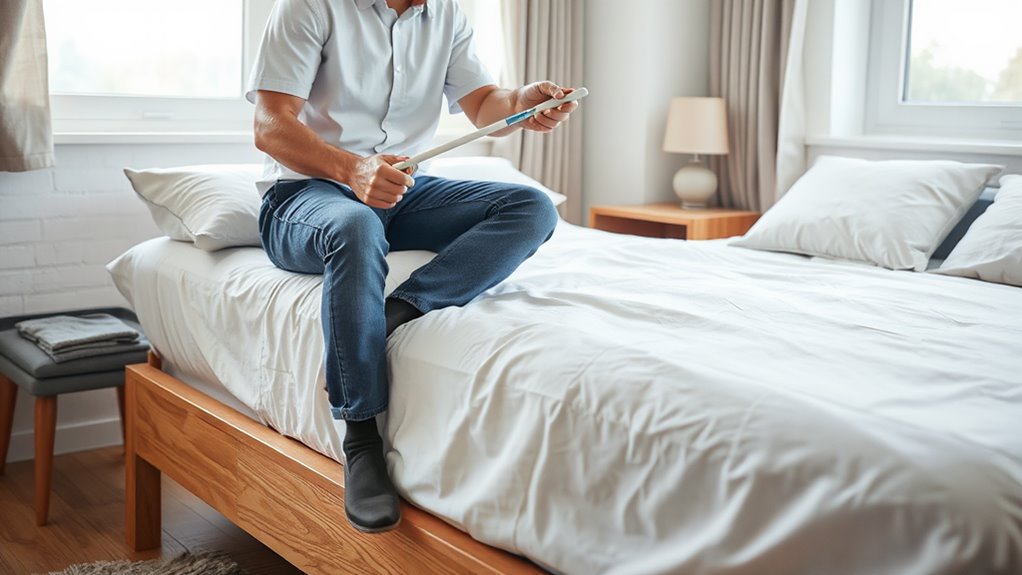
Choose a dressing stick that matches your reach and task: the Rehabilitation Advantage 27-inch, RMS Deluxe 28-inch, SP Ableware 24-inch, Fundamental Medical Supply wood model, or RMS extra-long 35.5-inch travel stick. Demand hardwood, beech, aluminum, or stainless steel, plus vinyl- or foam-coated hooks to protect fabric and liners. Keep length between 24 and 36 inches for control. For the full field test, keep going—the rest matters.
| Rehabilitation Advantage 27-Inch Wooden Dressing Stick with Hooks |  |
Best Overall | Length: 27 inches | Material: Wooden dowel | Handle: Sliding foam handle | VIEW LATEST PRICE | Read Our Analysis |
| RMS Deluxe 28-Inch Dressing Stick Dressing Aid | 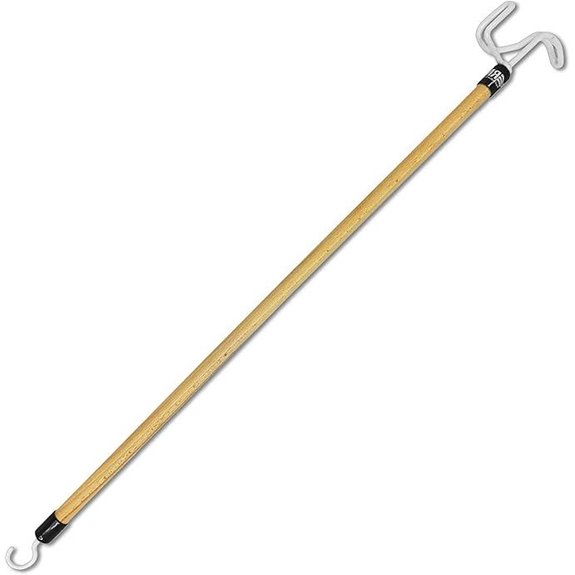 |
Best Reach | Length: 28 inches | Material: Hardwood dowel | Handle: No handle | VIEW LATEST PRICE | Read Our Analysis |
| SP Ableware Dressing Stick Mobility Aid 24-Inches Long (738810001) |  |
Best For Mobility | Length: 24 inches | Material: Plastic-coated | Handle: No handle | VIEW LATEST PRICE | Read Our Analysis |
| Essential Medical Supply Wooden Dressing Stick |  |
Best For Independence | Length: 27 inches | Material: Wooden | Handle: No handle | VIEW LATEST PRICE | Read Our Analysis |
| 36 Inch Adjustable Long Handled Shoe Horn |  |
Best Adjustable | Length: 36 inches adjustable | Material: Plastic | Handle: No handle | VIEW LATEST PRICE | Read Our Analysis |
| Blue Jay Dressing Aid with Foam Handle |  |
Best Ergonomic Grip | Length: 24 inches | Material: Plastic and foam | Handle: Foam handle | VIEW LATEST PRICE | Read Our Analysis |
| 27″ Dressing Stick for Elderly and Disabled | 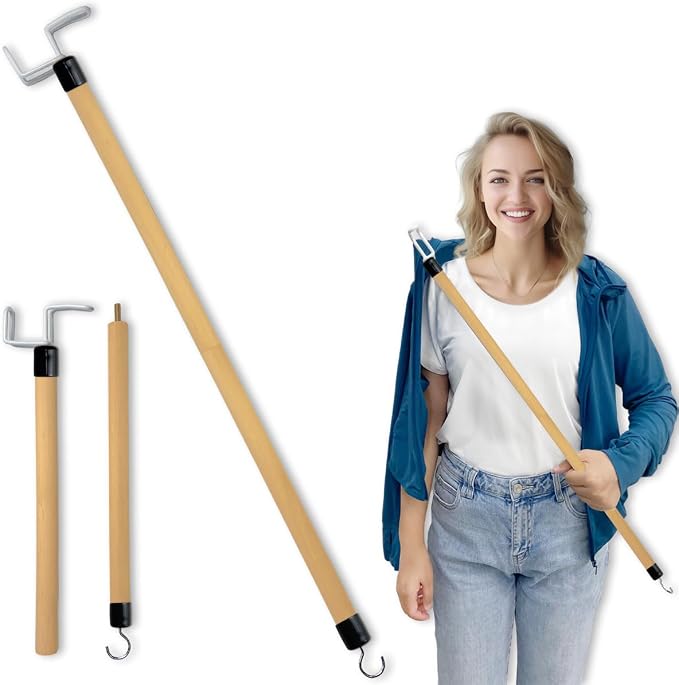 |
Best Portable | Length: 27 inches | Material: Plastic-coated | Handle: No handle | VIEW LATEST PRICE | Read Our Analysis |
| 26 Inch Adjustable Dressing Stick for Shirts Shoes Socks |  |
Best Adjustable | Length: 26-28 inches adjustable | Material: Stainless steel | Handle: No handle | VIEW LATEST PRICE | Read Our Analysis |
| 28″ Beech Wood Dressing Stick for Elderly (2-Pack) | 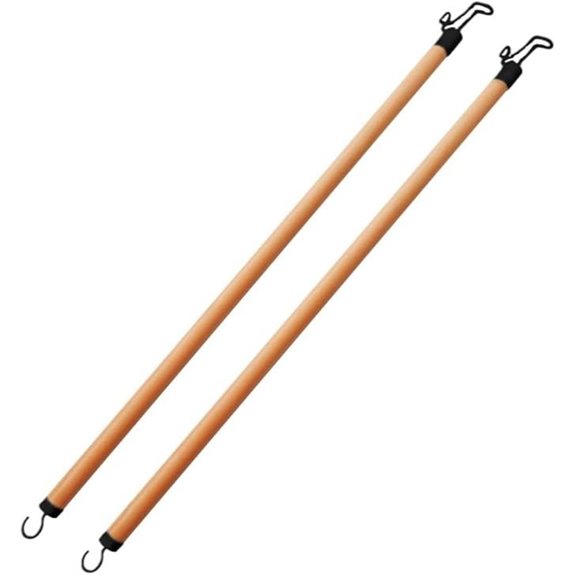 |
Best Value Pack | Length: 28 inches | Material: Beech wood | Handle: No handle | VIEW LATEST PRICE | Read Our Analysis |
| Sammons Preston Deluxe Dressing Stick 26″ Lacquered Wood |  |
Professional Grade | Length: 26 inches | Material: Lacquered wood | Handle: No handle | VIEW LATEST PRICE | Read Our Analysis |
| RMS Extra Long Dressing Stick with Travel Bag | 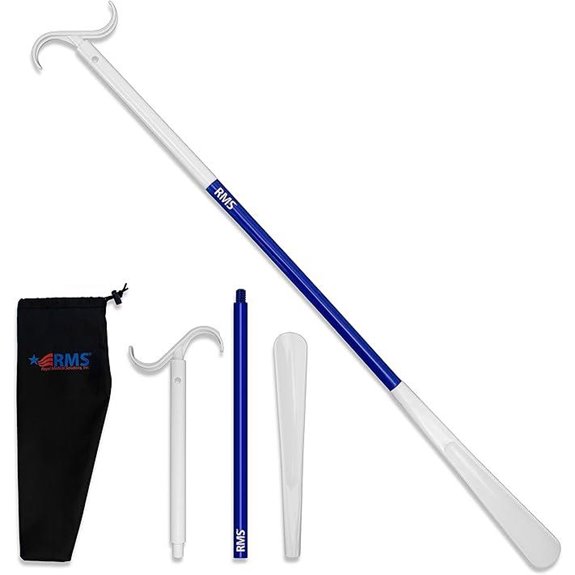 |
Best Extra Long | Length: 35.5 inches | Material: Mixed material | Handle: No handle | VIEW LATEST PRICE | Read Our Analysis |
More Details on Our Top Picks
-
Rehabilitation Advantage 27-Inch Wooden Dressing Stick with Hooks
The Rehabilitation Advantage 27-inch Wooden Dressing Stick with Hooks is the right tool when you need reach, control, and less trunk flexion during dressing. Use the lightweight wooden dowel to extend your reach; the 27-inch length cuts bending and twisting. The sliding foam handle gives you a cushioned, adjustable grip. Rely on the vinyl-coated C-hook to catch zippers, shoelace loops, and small handles, and use the push/pull hook for shirts, jackets, pants, shoes, and socks. Smooth coated ends help prevent snags and skin trauma. Therapists often recommend it for daily dressing independence.
- Length:27 inches
- Material:Wooden dowel
- Handle:Sliding foam handle
- Hook Type:C-hook/push-pull
- Portability:Standard
- Use Case:Dressing aid
- Additional Feature:Sliding foam handle
- Additional Feature:Vinyl-coated hook ends
- Additional Feature:Adjustable handle position
-
RMS Deluxe 28-Inch Dressing Stick Dressing Aid
RMS Deluxe 28-Inch Dressing Stick Dressing Aid suits users who need a rigid, reach-extending tool to manage shoes, socks, shirts, pants, and retrieval tasks without twisting, bending, or overloading limited hip or trunk motion. Use the 28-inch hardwood dowel—5/8 inch in diameter—when you need mechanical advantage without excess weight. Grip the extra-large vinyl-coated push/pull hook to guide shirts, lift waistbands, or draw up socks; use the C-shaped cup hook for zippers and shoelace loops. The smooth wood finish and coated metal prevent snagging, abrasion, and fabric damage. Therapists recommend it; use it.
- Length:28 inches
- Material:Hardwood dowel
- Handle:No handle
- Hook Type:C-hook/cup hook
- Portability:Standard
- Use Case:Dressing aid
- Additional Feature:Extra-large push/pull hook
- Additional Feature:Unique hook bend
- Additional Feature:Smooth wood finish
-
SP Ableware Dressing Stick Mobility Aid 24-Inches Long (738810001)
SP Ableware’s 24-inch dressing stick is the right pick when you need a rigid, one-handed dressing aid that extends your reach without forcing trunk flexion or awkward shoulder torque. Use the plastic-coated hook/pusher to pull shirts, jackets, slacks, or skirts into position, and flip to the small hook for zippers and shoelace loops. It additionally helps remove socks when bending fails. You get a 61 cm tool built for limited range of motion, rehab, or single-arm use. U.S.-based Ableware backs it with a one-year limited warranty. Portable. Durable. Dependable.
- Length:24 inches
- Material:Plastic-coated
- Handle:No handle
- Hook Type:Combination hook/pusher
- Portability:Standard
- Use Case:Dressing aid
- Additional Feature:Plastic coated hook/pusher
- Additional Feature:One-year limited warranty
- Additional Feature:U.S.-based manufacturer
-
Essential Medical Supply Wooden Dressing Stick
Essential Medical Supply’s Wooden Dressing Stick is a 27-inch reach aid built for users who can’t safely bend, twist, or fully extend through the trunk and shoulders—especially lower-limb amputees, post-op hip or knee patients, older adults, and anyone working with restricted mobility. Use the C-hook to draw zippers shut, secure pants, and manage socks; use the S-hook to don shirts and jackets. The durable wooden build resists daily wear, and the long shaft reduces strain by extending reach. For dressing or undressing, this tool improves independence, limits assistance, and keeps movement controlled, efficient, and safer.
- Length:27 inches
- Material:Wooden
- Handle:No handle
- Hook Type:C-hook/S-hook
- Portability:Standard
- Use Case:Dressing aid
- Additional Feature:C-hook and S-hook
- Additional Feature:Durable high-quality materials
- Additional Feature:Simple design
-
36 Inch Adjustable Long Handled Shoe Horn
The 36-inch adjustable long-handled shoe horn is the right dressing aid when bending is unsafe, painful, or mechanically impossible—post-hip surgery, back injury, shoulder limitation, age-related stiffness, or lower-limb amputation. Use it to put on shoes, remove socks, and manage dressing without forcing trunk flexion. Work seated or standing. The detachable, 36-inch shaft stores compactly and travels cleanly. Its thickened, widened plastic blade is smooth, with no sharp edges, so it protects shoe counters. The ergonomic profile suits all heights. Design choices reflect analysis of 966 products. Stop improvising; use the tool.
- Length:36 inches adjustable
- Material:Plastic
- Handle:No handle
- Hook Type:Shoe horn blade
- Portability:Detachable
- Use Case:Shoe/sock aid
- Additional Feature:Detachable for storage
- Additional Feature:Thickened widened blade
- Additional Feature:Design analysis informed
-
Blue Jay Dressing Aid with Foam Handle
Blue Jay’s Elite Healthcare Brand Get Dressed Dressing Aid suits amputees, post-op patients, and anyone with limited reach who needs one tool to handle both foot and garment management without repeated bending. Use the 24-inch shaft to extend reach. The foam-covered handle improves grip; don’t fight slick plastic. The rounded S-shaped hook catches fabric, retrieves socks, and lifts drawers. The shoehorn tip seats your heel without forcing hip flexion. The bend in the shaft helps pull pants, shirts, and socks into position. Keep it nearby. It’s lightweight, portable, and endorsed by therapists for safer independent dressing.
- Length:24 inches
- Material:Plastic and foam
- Handle:Foam handle
- Hook Type:S-hook/shoehorn
- Portability:Lightweight
- Use Case:Dressing aid
- Additional Feature:2-in-1 dressing aid
- Additional Feature:Rounded S-shaped top
- Additional Feature:Shaft bend assistance
-
27″ Dressing Stick for Elderly and Disabled
For elderly users and disabled adults who can’t safely bend, twist, or reach after hip, knee, or shoulder surgery, this 27″ dressing stick gives you direct mechanical control over shirts, jackets, pants, shoes, socks, and fasteners without forcing the joint range that fails. Use the vinyl-coated push/pull hook to grip fabric without slippage; use the slim C-shaped metal hook to draw zippers and shoelace loops. The smooth finish protects delicate textiles. Two-piece construction twists apart for compact travel storage. Lightweight. Portable. It reduces compensatory strain, supports independence, and includes a one-year guarantee.
- Length:27 inches
- Material:Plastic-coated
- Handle:No handle
- Hook Type:Push-pull/C-hook
- Portability:Two-piece
- Use Case:Dressing aid
- Additional Feature:Two-piece twist apart
- Additional Feature:Slim metal hook
- Additional Feature:One-year guarantee
-
26 Inch Adjustable Dressing Stick for Shirts Shoes Socks
Need a reliable dressing aid that won’t force deep bending? Use the 26-inch adjustable dressing stick for shirts, shoes, and socks. Its stainless steel rod gives you rigid, durable mechanical advantage, while the firm hooks resist damage and won’t drop under load. The smooth S-hook lets you hook garments and push or pull with control, even on soft fabric. Adjust it from 28 inches down to 18.5 inches, then collapse it for travel. Keep it light, compact, and ready; stop overreaching, stop spinal strain, and dress cleanly.
- Length:26-28 inches adjustable
- Material:Stainless steel
- Handle:No handle
- Hook Type:S-hook
- Portability:Compact retractable
- Use Case:Dressing aid
- Additional Feature:Stainless steel rod
- Additional Feature:Fully retractable length
- Additional Feature:Compact travel size
-
28″ Beech Wood Dressing Stick for Elderly (2-Pack)
The 28″ Beech Wood Dressing Stick for Elderly, sold as a 2-pack, is the right choice when you need a durable, one-piece dressing aid that cuts bending and twisting to a minimum. Use the dense beech wood shaft; it’s sturdy, lightweight, and built for daily dressing tasks. One end hooks pants and shirts, the other helps with shoes and socks. You’ll remove socks, slide on shoes, and manage garments with less strain. Two hooks, two sticks, one tool set. For seniors, disabled users, and post-op patients, this is practical independence.
- Length:28 inches
- Material:Beech wood
- Handle:No handle
- Hook Type:Dual hooks
- Portability:Two-pack
- Use Case:Dressing aid
- Additional Feature:Two-piece pack
- Additional Feature:One-piece beech wood
- Additional Feature:Different hook types
-
Sammons Preston Deluxe Dressing Stick 26″ Lacquered Wood
Sammons Preston’s Deluxe Dressing Stick, model 76003, is the right pick when you need a rigid, 26-inch reach aid that lets you dress without deep trunk flexion or excessive shoulder strain. Use the 5/8-inch lacquered wood shaft; it weighs 5.5 ounces and stays controllable. The reinforced end hook grabs garments, whereas the smaller hook handles zippers. Pull on pants, shirts, or sleeves without asking for help. This tool supports independent daily living for reduced mobility, limited flexibility, or amputation. Buy the right aid; don’t improvise with unsafe reaching.
- Length:26 inches
- Material:Lacquered wood
- Handle:No handle
- Hook Type:Reinforced/smaller hook
- Portability:Standard
- Use Case:Dressing aid
- Additional Feature:Reinforced clothing hook
- Additional Feature:Model 76003
- Additional Feature:5.5-ounce weight
-
RMS Extra Long Dressing Stick with Travel Bag
RMS’s 35.5-inch extra-long dressing stick with travel bag is the right pick for users who cannot safely flex at the waist—amputees, wheelchair users, older adults, post-op patients, pregnant women, and anyone fighting back pain or limited range of motion. You get a combined dressing stick and long shoe horn, plus sock removal aid, so you can dress standing or seated. Assemble the screw-together sections by hand; no tools needed. The fully assembled 35.5-inch reach reduces bending and slip risk. Disassemble it for travel, pack the included bag, and keep it ready.
- Length:35.5 inches
- Material:Mixed material
- Handle:No handle
- Hook Type:Dressing stick/shoe horn
- Portability:Travel bag included
- Use Case:Dressing aid
- Additional Feature:Travel bag included
- Additional Feature:No-tools assembly
- Additional Feature:Screw-together components
Factors to Consider When Choosing Dressing Sticks for Lower Limb Amputees
Choose a dressing stick with the right length and reach for your body mechanics; if it’s too short, you’ll compensate with trunk flexion and lose control, and if it’s too long, you’ll sacrifice mechanical advantage and accuracy. Verify the hook style, grip comfort, material durability, and portability—rubberized or foam grips reduce hand fatigue, reinforced polymer or aluminum shafts resist bending, and a compact design with a travel sleeve makes storage and transport practical. Ignore cheap, loose-fitting tools: they slip, deform, and fail when you need stable, repeatable dressing assistance.
Length And Reach
When you set dressing-stick length, start with the user’s anatomy and the task, not with convenience. For transtibial use, target 27–36 inches, and go longer for transfemoral users if the reach must clear the socket and land at the sock or foot area without forcing trunk flexion. Keep the spine neutral. If balance is poor or trunk flexion is limited, add 6–12 inches so you aren’t stooping. Use adjustable or telescoping models when you need one tool for seated sock aid work and standing shoehorn tasks; 18–36 inches covers most cases. Shorter sticks suit seated dressing. Longer sticks, 30 inches plus, suit standing reach. Do not buy excessive length if grip strength is weak; control matters. A tool you can’t manage is useless.
Hook Style Options
Once length and reach are set, lock in the hook geometry that matches the task. Choose a push/pull hook with vinyl or another smooth coating; bare metal snags fabric and can abrade liners or skin. For zippers and shoelace loops, use a C-shaped or slim cup hook. It bites fast and needs no fine finger control. For shirts and jackets, pick an S-shaped or rounded-top hook with a slight concave face; it spreads load across the cloth and slides better over the limb or prosthesis. If you pull socks or shoes often, use a rigid, reinforced hook with a modest bend angle. That geometry gives mechanical advantage and limits shaft twist. Prefer dual-end sticks when you need one tool for zippers, elastic edges, and footwear.
Grip Comfort
Grip comfort decides whether the stick gets used or gets abandoned. Choose a cushioned foam or rubber handle; it cuts hand fatigue and steadies repetitive push-pull motions. Measure the grip: 1 to 1.5 inches in diameter for most adults. Too small, and you’ll over-squeeze; too large, and control collapses, stoking stump or contralateral hand pain. Demand a textured or contoured surface so sweat, liners, and residual limb coverings don’t turn the handle into a slick failure point. Use adjustable or sliding grips when you need different reaches and arm angles; they reduce strain and keep mechanical advantage balanced. Keep the stick lightweight. A heavy tool loads your shoulder and upper limb, then fatigue hits faster during every dressing routine, and sloppy technique follows.
Material Durability
Material durability matters since a dressing stick that cracks, bends, or sheds splinters becomes a liability, not a tool. Choose hardwood, reinforced plastic, or stainless steel for high tensile strength and impact resistance; those materials survive repeated advantage and accidental drops without yielding. Reject soft, poorly cured, or flimsy stock. Demand corrosion resistance: powder-coated metal, sealed wood, or vinyl overmolding blocks sweat, lotions, and dampness from degrading the surface. Insist on a smooth, abrasion-resistant finish so it won’t chip, splinter, or snag liners and clothing during pushing or hooking. Keep the weight-to-strength ratio tight—lightweight, stiff, and fatigue-sparing. If the stick adjusts or breaks down, inspect every joint; weak fastenings fail first under torque. Use single-piece or reinforced construction only.
Portability And Storage
If you travel, treat portability as a hard requirement, not a convenience. Choose a dressing stick that telescopes or breaks down to under 14–18 inches so it fits carry bags and luggage without forcing awkward stowage. Keep weight under 10–12 ounces; hollow aluminum or composite shafts cut load when you’re already carrying a prosthesis or other devices. Demand a slim profile and, ideally, a travel sleeve or pouch so the hook tip doesn’t snag clothing, liners, or cables in transit. Favor tool-free screw or snap joints; they reassemble fast when you’re seated or standing. If you move between home, clinic, and community settings, verify the stored length and mass meet airline or public-transport limits. Anything bulkier becomes dead weight, not equipment.
Ease Of Use
Start with reach: choose a dressing stick whose length and grip geometry let you access the residual limb, prosthetic liner, socks, and footwear without excessive trunk rotation or repeated forward leaning, since every extra degree of compensatory motion raises fall risk and burns energy you don’t have to waste. Pick a lightweight, rigid model—ideally under 1 lb—so you can lift, angle, and regrip it repeatedly without fatigue. Demand a cushioned, non-slip handle and a contoured shaft; they cut hand strain and keep the tool stable when guiding liners or socks. Prefer dual-function ends: push/pull surface plus small hook. Fewer tool changes, fewer failures. If you dress seated one day and standing the next, choose telescoping adjustability. Set the length once, then use it consistently.
Fabric Protection
To protect delicate prosthetic liners, compression garments, and thin clothing, choose a dressing stick with smooth, rounded hooks and vinyl- or plastic-coated tips; bare metal edges and squared-off hooks shred fabric, snag fibers, and open small tears that spread under repeated loading. Favor lacquered wood, coated metal, or polished plastic, since low-friction surfaces cut drag and reduce wear on elastic waistbands and thin sleeves. Reject any tool with seams, burrs, or sharp changes. They catch fibers, gouge socket liners, and accelerate thinning. Specify a broader, cupped hook when possible; it spreads force across more fabric, lowering point stress and limiting holes. Inspect the stick and your garments regularly. Look for pilling, thinning, or microtears. Replace damaged gear before failure becomes a larger, costlier problem.
Mobility Limitations
As lower limb amputees often cannot trust single-leg stance, choose a dressing stick that works from a seated position and does not force weight shifts, hopping, or repeated balance corrections. Demand 24–36 inch reach if your hip or knee flexion is restricted; shorter tools make you bend, twist, and lose alignment. Use a lightweight shaft—aluminum or carbon fiber—because poor core control turns heavy aids into dropped hazards. Grip matters: select a cushioned, non-slip handle you can control with one hand and minimal wrist motion. Hooks and push/pull ends must operate smoothly, with low resistance and no snagging. If you wear a prosthesis or have residual-limb sensitivity, reject rough edges. They’ll catch fabric, abrade skin, and damage components.
Frequently Asked Questions
How Do I Safely Use a Dressing Stick With a Prosthesis?
Use your dressing stick as long as you’re seated or balanced on a stable surface, keep your prosthesis secure, move slowly, and avoid twisting. If you feel pain or instability, stop and ask your prosthetist or therapist.
Can Dressing Sticks Help With Socks and Shoes Too?
Yes, you can use dressing sticks for socks and shoes too. You’ll pull socks on, guide heels into shoes, and adjust straps more easily. They’re especially helpful if reaching your feet feels difficult.
What Length Dressing Stick Works Best for Below-Knee Amputees?
For below-knee amputees, you’ll usually do best with a 24- to 30-inch dressing stick, since it gives you enough reach without losing control. Try one that lets you dress comfortably as you’re seated.
Are Foam Handles Better for One-Handed Dressing?
Yes, foam handles often help you grip a dressing stick more securely, reduce pressure, and improve comfort for one-handed dressing. If your hand sweats or tires easily, you’ll likely prefer foam over hard plastic.
How Do I Clean and Maintain a Wooden Dressing Stick?
Wipe your wooden dressing stick with a damp cloth, then dry it right away. Don’t soak it or use harsh cleaners. Lightly sand rough spots, and occasionally rub on mineral oil to protect the wood.


