Hi, I am Aria, welcome to my life!

5 Dycem Non-Slip Mats That Make Amputee Cooking Safer
Shop Dycem non-slip mats for safer amputee cooking. Secure plates, bowls, cutting boards, jars, and tools without adhesive. Easy to trim, wash, and reuse.

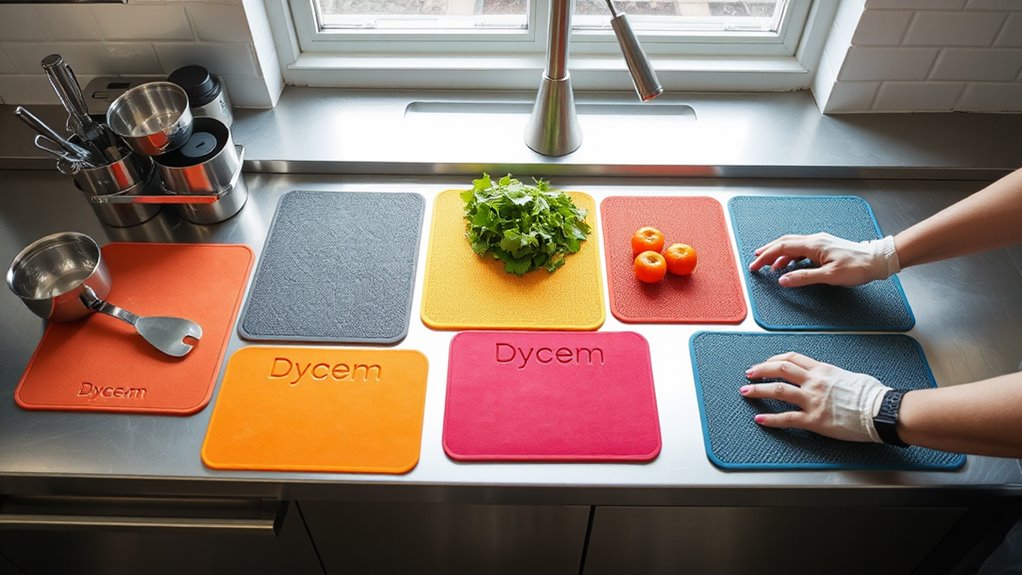
Use Dycem 50-1502B blue 8″ x 3.25 ft rolls, 16″ x 10 yd stabilization matting, 24″ x 6.5′ white netting, compact pads, or black silicone grip sheet to lock plates, bowls, cutting boards, jars, and tools without adhesive. Their thin, two-sided grip and cut-to-fit profiles resist shear, creep, and edge lift; wash with warm soapy water, air-dry, and keep clear of burners. Choose the right roll, place it flat, and the rest becomes obvious.
| Dycem – 50-1502B Non-Slip Material Roll Blue 8″ X 3.25 ft | 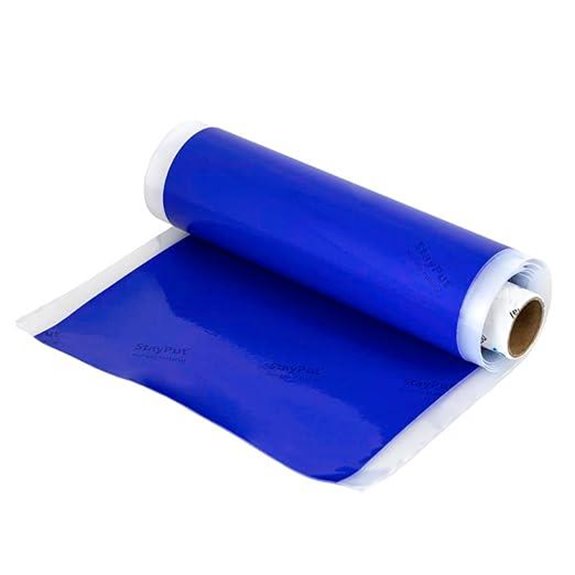 | Best Overall | Format: Roll | Size: 8″ x 3.25 ft | Color: Blue | VIEW LATEST PRICE | Read Our Analysis |
| Dycem Non-Slip Matting Roll for Stabilization and Grip | 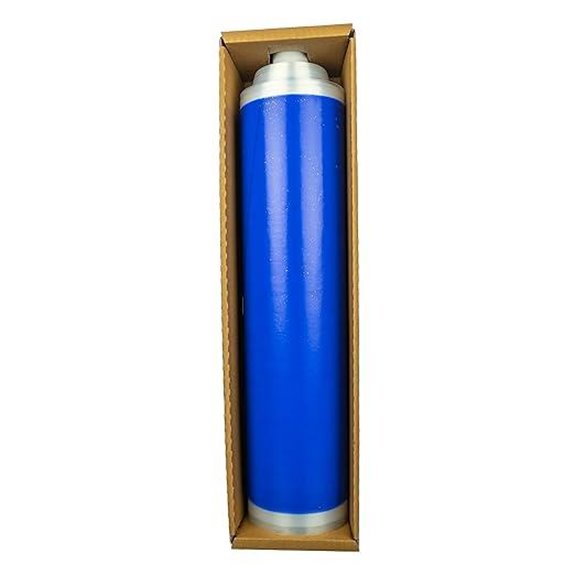 | Best for Large Areas | Format: Roll | Size: 16″ x 10 yd | Color: Blue | VIEW LATEST PRICE | Read Our Analysis |
| Dycem 50-1550W Non-Slip Netting Roll 24″ x 6-1/2′ White | 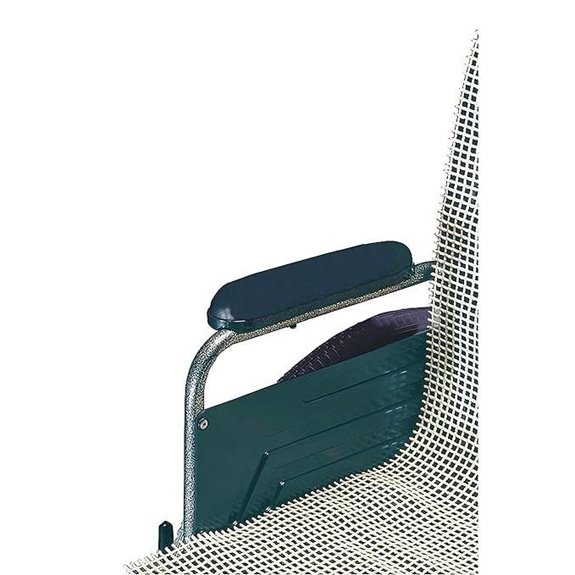 | Best for Cushions | Format: Roll | Size: 24″ x 6.5 ft | Color: White | VIEW LATEST PRICE | Read Our Analysis |
| Dycem Non-Slip Mat for Independent Living | 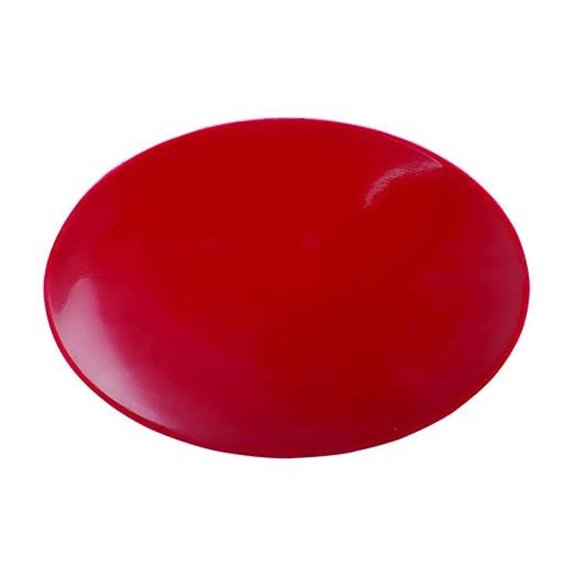 | Best for Stability | Format: Pad | Size: 10″ diameter | Color: Red | VIEW LATEST PRICE | Read Our Analysis |
| Non Slip Silicone Grip Material Roll (Black) | 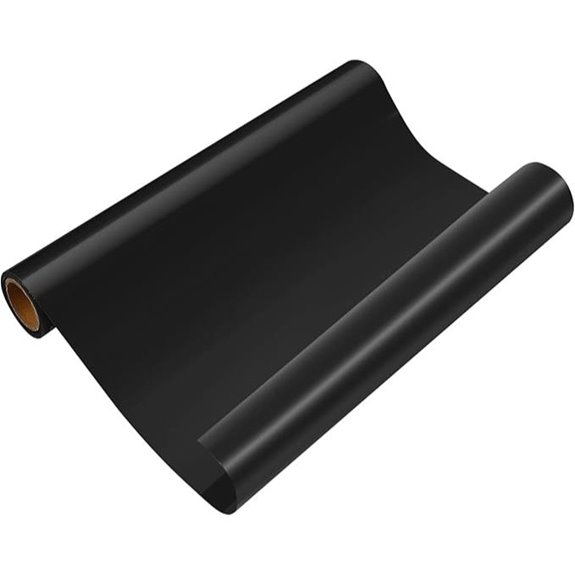 | Best Silicone Pick | Format: Roll | Size: 16″ x 3 ft | Color: Black | VIEW LATEST PRICE | Read Our Analysis |
More Details on Our Top Picks
Dycem – 50-1502B Non-Slip Material Roll Blue 8″ X 3.25 ft
Dycem 50-1502B is the right choice when you need uncompromising surface control during amputee cooking, since its two-sided grip locks down both the mat and whatever you place on it – plates, bowls, cutting boards, utensils, or small appliances – without adhesive and without sliding under load. You cut the blue roll to size, deploy it where grip matters, and let its 0.4 mm profile conform around objects. Use it on counters, seats, armrests, or workstations. Wash it in warm soapy water, air dry, and reuse it; the non-slip action returns. It’s non-toxic, latex-free, and built for repeated, clinical-grade use.
- Format:Roll
- Size:8″ x 3.25 ft
- Color:Blue
- Material:Dycem
- Reusable:Yes
- Cut-to-fit:Yes
- Additional Feature:Two-sided grip
- Additional Feature:Latex-free material
- Additional Feature:Bright visibility aid
Dycem Non-Slip Matting Roll for Stabilization and Grip
For amputee cooking, the best choice is the Dycem Bulk Roll Matting when you need a cut-to-fit, reusable grip surface that stops plates, bowls, jars, and tools from skidding during one-handed prep. This 16″ x 10 yd blue roll uses two-sided grip, so the mat stays planted and your items do too, even at angles up to 58°. Cut it to size. Use it at home, in therapy, or on the go. It’s flexible, non-toxic, latex-free, easy to clean, and sharpens visual cues. Keep jars fixed. Stop wasting motion.
- Format:Roll
- Size:16″ x 10 yd
- Color:Blue
- Material:Dycem
- Reusable:Yes
- Cut-to-fit:Yes
- Additional Feature:Holds items at 58°
- Additional Feature:Cabinet liner use
- Additional Feature:Exercise mat use
Dycem 50-1550W Non-Slip Netting Roll 24″ x 6-1/2′ White
Select the Dycem 50-1550W non-slip netting when you need a cut-to-fit grip layer that stops cushions, tools, or seating from migrating under load. You get soft mesh Dycem material, model 50-1550W, in a 24-inch by 6-1/2-foot white roll. Trim it precisely; don’t improvise. The 0.25-inch thickness adds padding without bulk, during the open mesh keeps air moving and cuts clamminess. Use it on chairs, wheelchairs, and other support surfaces where sliding creates failure. At 1.17 pounds, you can handle the roll easily. Manufacturer FEI backs it; call 800-431-2830 if you need specifics.
- Format:Roll
- Size:24″ x 6.5 ft
- Color:White
- Material:Dycem netting
- Reusable:Yes
- Cut-to-fit:Yes
- Additional Feature:Mesh ventilation design
- Additional Feature:Cushions wheelchairs
- Additional Feature:Adds padding comfort
Dycem Non-Slip Mat for Independent Living
A 10″ round Dycem pad with a 1/8″ profile is the right tool when you need a compact, high-friction surface to stop plates, cups, bowls, and small devices from migrating on smooth tables, countertops, or bedside trays. Place it under the item. Use it for eating, writing, medication sorting, crafts, and device placement. The red, double-sided material grips hard, resists tearing, and keeps loads steady through repeated use. If you live with weak grip, tremor, or mobility limits, you need this. Wipe it with soap and water; no adhesives, no tape, no nonsense.
- Format:Pad
- Size:10″ diameter
- Color:Red
- Material:Dycem
- Reusable:Yes
- Cut-to-fit:No
- Additional Feature:Round 10-inch pad
- Additional Feature:Outstanding dual-sided grip
- Additional Feature:Tearing-resistant build
Non Slip Silicone Grip Material Roll (Black)
The black silicone grip roll gives you a compact, high-friction work surface when standard mats fail, especially in amputee cooking setups where one-handed control, limited dexterity, or unstable counters turn a minor slip into a real hazard. Use the 16 in × 3 ft roll at 0.04 in thickness, cut it to fit, and strip off the protective film before first use. The silicone resists breakage, deformation, and fading; it’s latex-free, odorless, reusable, and easy to clean. Lock cutting boards, utensils, phones, or laptops in place. Deploy it on counters, drawers, floors, or tables.
- Format:Roll
- Size:16″ x 3 ft
- Color:Black
- Material:Silicone
- Reusable:Yes
- Cut-to-fit:Yes
- Additional Feature:Protective film included
- Additional Feature:Strong silicone grip
- Additional Feature:Drawer liner use
Factors to Consider When Choosing Dycem Non-Slip Mats for Amputee Cooking
Choose a Dycem mat with enough grip strength to arrest cookware, jars, and cutting boards under lateral load, and verify the surface size covers the full work zone or you’ll get edge creep and task failure. Prioritize easy cleaning and material flexibility – both matter when you’re handling food and repositioning tools – then check visual contrast so the mat stands out sharply against the counter and doesn’t get missed in a fast workflow. If any of those four factors is weak, reject the mat; a poor fit here isn’t a minor inconvenience, it’s a predictable control failure.
Grip Strength
Dial in the mat to the user’s grip capacity, not the other way around. Choose thinner Dycem surfaces with high friction, since they maximize holding power without demanding brutal peel force when you lift or reposition cookware. Favor two-sided grip or high-friction textures that keep jars and pans stable on steep angles, even during torque-heavy tasks like stirring or opening lids. Don’t buy a mat so tacky it fights one-handed removal; excessive adhesion burns effort and punishes amputee users. Match the surface to your residual limb or prosthetic attachment so you can brace items with less hand load and more controlled stabilization. Finally, demand friction that survives cleaning and wear. If traction degrades, you’ll compensate with force, and that’s bad design, not user failure.
Surface Size
When you size Dycem for amputee cooking, map the actual work zones first: countertop, cutting board, stovetop tray, sink rim, and any transfer point you use for one-handed prep. Measure each surface, then match coverage to task. Use small pads for utensils, 8 – 16 inch strips for boards, and larger mats for counters. Trim the material to fit curved or irregular edges; exposed slick margins defeat the whole point. For stirring bowls or angled placement, extend the mat so it supports both the base and an adjoining flat area, or the load will tip. Overlap smaller pieces to bridge seams and appliance gaps. Keep a few inches clear around burners, ovens, and vents. Heat and blocked airflow are bad planning, not strategy.
Easy Cleaning
Just as important, clean Dycem with warm soapy water, then air-dry it fully before reuse; that restores grip, clears food residue, and prevents the slick film that appears when dampness lingers. Choose mats that tolerate repeated washing without tack loss, curling, or surface breakdown. Skip any product that demands bleach, solvents, or abrasive pads; those abuses strip the non-toxic, latex-free surface and shorten service life. You need quick-drying sheets that shed moisture fast and don’t trap odors, since stagnant dampness invites bacterial growth and delays return-to-use during meal prep. Favor thin, washable pieces you can cut to fit a counter, tray, or plate, then lift, rinse, and reset in seconds. If cleaning takes effort, the mat’s wrong for amputee cooking.
Material Flexibility
After cleaning, judge Dycem by how it bends, not by how it looks. Choose thin, pliable matting – fractions of a millimeter to about 1 mm – so it slides under plates or cutting boards without lifting your work height. Demand flexibility around pots, jar lids, and handles; the mat must conform, expand contact area, and stop one-handed movement. If you use a prosthesis or residual-limb support, cut the mat to size and wrap it partially around the object to build a temporary grip. Reject stiff material: it won’t mold to curves, contact drops, and grip fails. Verify that the mat keeps bending after washing, since repeated cleaning can harden poor products and destroy consistency. Test before cooking. If it resists shape, it’s the wrong mat.
Visual Contrast
Color contrast matters. Choose Dycem colors that sharply oppose your countertop and cookware – bright blue or red against white laminate, for example – so your eye reads depth fast and your hand lands correctly. Use high-contrast edges around plates and cutting boards; they mark safe hand or prosthetic zones without hesitation. If you live with low vision, avoid hues that blend with skin tone, stainless steel, or utensils. That’s sloppy and dangerous. Assign different colors to prep, cutting, and plate-placement zones, and you’ll build a visual routine that cuts cognitive load. Clean the mat often. Dirt and wear mute brightness, and a dull surface loses its cueing power. Keep the contrast intact, or the mat becomes dead weight instead of a reliable guide.
Safe Placement
Place Dycem only on flat, dry countertops, cutting boards, or portable work surfaces; that contact maximizes two-sided grip and keeps the mat from creeping under shear load. Center it so bowls, plates, and appliances sit fully on the surface, not half on an edge, or you’ll invite tipping and uneven pressure. Keep the mat clear of burners, oven doors, hot pans, and open flame; heat degrades the polymer and ruins adhesion. Use it under a seat, footrest, or prep board when you need steadier posture and a fixed reach zone. Before every task, inspect the perimeter, then re-seat, wash, and dry the mat if dust, dampness, or curl has compromised the grip. Careless placement is a predictable failure.
Frequently Asked Questions
How Do Dycem Mats Help One-Handed Cooks?
Dycem mats keep bowls, jars, and cutting boards from slipping, so you can stabilize items with one hand and work more safely. They let you peel, chop, and mix more confidently without needing extra help.
Can Dycem Mats Be Trimmed for Small Kitchen Tools?
Yes, you can trim Dycem mats to fit small kitchen tools, and you’ll improve grip instantly. You’ll want sharp scissors, clean edges, and careful measuring so your tools stay stable and easy to use.
Are Dycem Mats Safe for Hot Cookware?
No, you shouldn’t place hot cookware directly on Dycem mats, since heat can damage them. You can use them for grip with cool items, but keep pans, pots, and baking dishes off the mat.
How Often Should Dycem Mats Be Cleaned?
You should clean Dycem mats whenever they look dirty or lose grip, usually after each use. Wash them with warm water and mild soap, then air-dry completely before you use them again.
Do Dycem Mats Work on Textured Countertops?
Yes, you can use Dycem mats on many textured countertops, but they may grip less effectively on very rough surfaces. You should test them first, then reposition or clean them to improve adhesion.