Hi, I am Aria, welcome to my life!

9 Best Food Preparation Boards with Spikes for Amputees
Find the best spiked one-handed food prep board for amputees—sturdy, stable, and easy to use. Compare bamboo, HDPE, suction-cup, and clamp models designed to lock produce in place for safer, faster chopping.

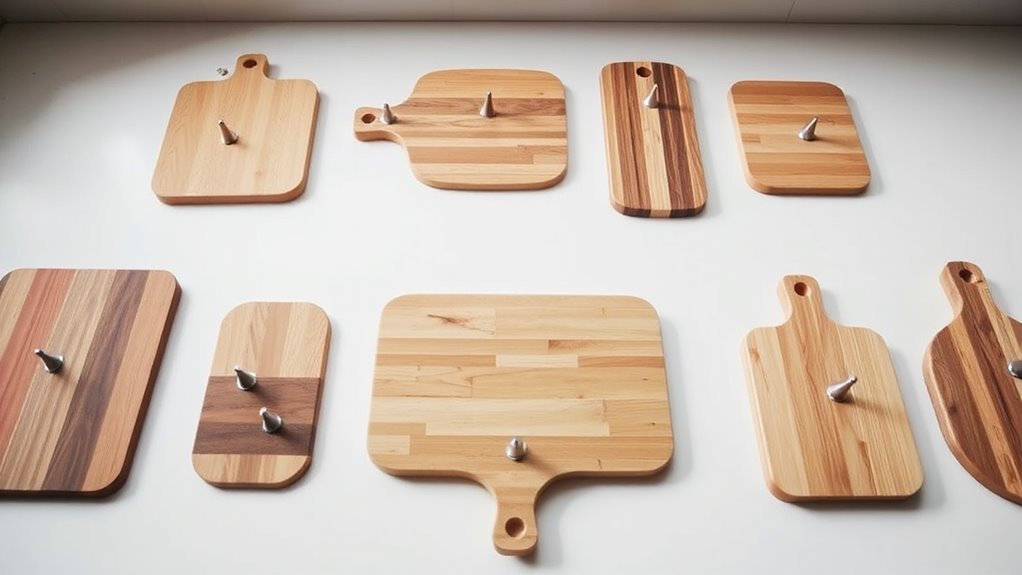
Choose a spiked one-handed board that won’t shift: Lanties FL-Lanties-1666 (bamboo, stainless spikes, bread stops, silicone feet, 4.93 lb), Sammons Preston Hi-D Paring Board (HDPE, four suction cups, aluminum nails), Homecraft Workstation (19 3/4 x 11 3/4 in, suction cups, removable spikes), or Fanwer’s bamboo board. Use 10-spike or clamp-equipped models for torque control; avoid flimsy trays. The right size, base, and pin material decide whether produce locks or spins, and the details matter most.
| One-Handed Adaptive Cutting Board with Interchangeable Blades |  | Best Overall | Material: Bamboo | Non-slip Base: Silicone feet | Food Spikes: Stainless steel spikes | VIEW LATEST PRICE | Read Our Analysis |
| Sammons Preston Single-Handed Cutting Board with Suction Feet |  | Best Compact Pick | Material: High-density polyethylene | Non-slip Base: Suction cups | Food Spikes: Aluminum nails | VIEW LATEST PRICE | Read Our Analysis |
| Homecraft Plastic Spread Board with Spikes |  | Best Budget Pick | Material: Molded plastic | Non-slip Base: None listed | Food Spikes: Stainless steel pins | VIEW LATEST PRICE | Read Our Analysis |
| Fanwer Adaptive One-Handed Cutting Board with Spikes |  | Best For One-Hand Use | Material: Bamboo | Non-slip Base: Non-slip feet | Food Spikes: Food spikes | VIEW LATEST PRICE | Read Our Analysis |
| Homecraft Kitchen Workstation Cutting Board with Suction Cups |  | Best Multi-Tool Board | Material: Plastic/steel | Non-slip Base: Suction cups | Food Spikes: Stainless steel spikes | VIEW LATEST PRICE | Read Our Analysis |
| Etac Fix Adaptive Cutting Board with Suction Feet | 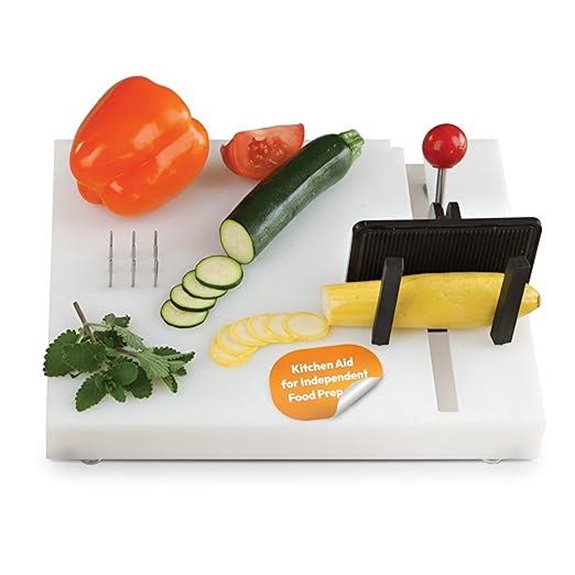 | Best Versatile Pick | Material: Durable materials | Non-slip Base: Friction feet and suction cups | Food Spikes: Built-in spikes | VIEW LATEST PRICE | Read Our Analysis |
| Adaptive One-Handed Cutting Board with 10 Spikes |  | Best Premium Wood Board | Material: Acacia hardwood | Non-slip Base: Silicone feet | Food Spikes: Ten stainless steel spikes | VIEW LATEST PRICE | Read Our Analysis |
| Single-Handed Adaptive Cutting Board with Suction Feet |  | Best Portable Pick | Material: High-density polyethylene | Non-slip Base: Suction feet | Food Spikes: Aluminum spikes/nails | VIEW LATEST PRICE | Read Our Analysis |
| Adaptive One-Handed Cutting Board with Peeler and Spikes |  | Best For Stability | Material: Acacia wood | Non-slip Base: Non-slip feet | Food Spikes: Ten stainless steel spikes | VIEW LATEST PRICE | Read Our Analysis |
More Details on Our Top Picks
One-Handed Adaptive Cutting Board with Interchangeable Blades
If you need a one-handed prep station that actually holds food in place, this board is the correct choice: the Lanties FL-Lanties-1666 combines a natural bamboo base, stainless steel spikes, bread stops, and silicone anti-slip feet to let amputees, stroke survivors, and other users with limited hand mobility cut, peel, and stabilize produce with one working hand. Use the six interchangeable blades and included peeler for fruit, vegetables, and bread. Keep the magnetic protector on when idle. Hand-wash only; dry wood and steel immediately. Store it safely. Weighing 4.93 pounds, it stays planted. ზომ? 15.75 by 11.81 by 1.97 inches.
- Material:Bamboo
- Non-slip Base:Silicone feet
- Food Spikes:Stainless steel spikes
- One-handed Use:Yes
- Food Stops:Bread stop
- Care:Hand wash only
- Additional Feature:6 interchangeable blades
- Additional Feature:Magnetic blade protector
- Additional Feature:One-handed vegetable peeler
Sammons Preston Single-Handed Cutting Board with Suction Feet
The Sammons Preston Hi-D Paring Board gives a single-handed user a rigid, stable work surface when two-handed control isn’t available. Use the 8-1/2-inch square board for one-handed cutting, peeling, and slicing. Four suction cups anchor it to countertops; if they fail, the board can shift. Aluminum nails pierce food and stop rotation under the blade. Corner guards hold bread and other items during spreading or trimming. You get high-density polyethylene construction, non-latex materials, and dishwasher-safe cleanup. Choose it when limited mobility, weak grip, or disability makes conventional prep unsafe.
- Material:High-density polyethylene
- Non-slip Base:Suction cups
- Food Spikes:Aluminum nails
- One-handed Use:Yes
- Food Stops:Corner guards
- Care:Dishwasher safe
- Additional Feature:Aluminum nail inserts
- Additional Feature:8-1/2 inch square
- Additional Feature:Dishwasher safe
Homecraft Plastic Spread Board with Spikes
Homecraft Plastic Spread Board with Spikes suits a user who has single-hand use or limited hand dexterity and needs a rigid work surface that actually arrests food movement. Use it for spreading, chopping, slicing, and cutting bagels, bread, fruits, and vegetables. Its one-piece molded firm plastic body, 7-1/8 by 10-1/8 inches, weighs 1/2 pound and stays latex free. The raised L-shaped corner gives you a stable edge. Lock in the optional stainless steel insert, or remove it. Six pins grip produce. Stop improvising with unstable boards.
- Material:Molded plastic
- Non-slip Base:None listed
- Food Spikes:Stainless steel pins
- One-handed Use:Yes
- Food Stops:L-shaped corner
- Care:Not specified
- Additional Feature:Optional spike insert
- Additional Feature:L-shaped corner
- Additional Feature:One-piece molded plastic
Fanwer Adaptive One-Handed Cutting Board with Spikes
Fanwer’s Adaptive One-Handed Cutting Board with Spikes suits amputees, stroke survivors, and anyone with limited hand or finger function who needs true single-handed control at the prep station. Use the bamboo, rectangular board—15.98L x 2W x 13.98Th—with non-slip feet, and the anti-slip base won’t skate under load. Drive produce onto the food spikes, seat bread against the stops, then cut, chop, peel, or grate with one hand only. Hand-wash it. Don’t machine-wash it. Fanwer includes one grater, and the eco-friendly build targets bread prep.
- Material:Bamboo
- Non-slip Base:Non-slip feet
- Food Spikes:Food spikes
- One-handed Use:Yes
- Food Stops:Bread stops
- Care:Hand wash only
- Additional Feature:Eco-friendly bamboo build
- Additional Feature:Included grater attachment
- Additional Feature:Rectangular shape
Homecraft Kitchen Workstation Cutting Board with Suction Cups
Need a one-handed workstation that won’t skate across a wet counter? Choose the Homecraft Kitchen Workstation (Large): 19 3/4″ x 11 3/4″, 1.3 kg, white, rectangular, with four non-slip suction cups and a raised L-shaped corner. Lock food, bowl, or produce with the reversible clamp, then pierce, grate, or slice using the removable stainless steel spikes, cheese grater, and slicer attachments. The board’s non-latex, BPA- and phthalate-free construction supports safer daily prep. Use it for bread, fruit, meat, vegetables, and cheese. Hand wash parts except when labeled dishwasher-safe.
- Material:Plastic/steel
- Non-slip Base:Suction cups
- Food Spikes:Stainless steel spikes
- One-handed Use:Yes
- Food Stops:L-shaped corner
- Care:Mixed care
- Additional Feature:Removable slicer attachment
- Additional Feature:Reversible clamp edge
- Additional Feature:Cheese grater attachment
Etac Fix Adaptive Cutting Board with Suction Feet
Etac Fix Adaptive Cutting Board with Suction Feet is the right choice when you need true one-handed control: its built-in stainless steel spikes anchor produce, whereas the adjustable jaws lock down bowls, graters, or awkward items so you don’t have to trap anything with a second hand. Use the removable spike plate when you need a flat surface, then lean on the friction feet and suction cups to stop skid and wobble on the countertop. Cut, grate, peel, whisk, and mix. Durable materials, dishwasher-safe, fast cleanup. This board restores independent prep for limited strength or mobility.
- Material:Durable materials
- Non-slip Base:Friction feet and suction cups
- Food Spikes:Built-in spikes
- One-handed Use:Yes
- Food Stops:Adjustable jaws
- Care:Dishwasher safe
- Additional Feature:Adjustable securing jaws
- Additional Feature:Removable spike plate
- Additional Feature:Multifunction prep board
Adaptive One-Handed Cutting Board with 10 Spikes
This adaptive one-handed cutting board is built for amputees and any user who must stabilize, cut, and clear food with a single hand. Use the solid acacia hardwood base; it resists flex and, with non-slip silicone feet, stays fixed under knife load. Drive food onto the ten food-grade stainless steel spikes, which lock produce for peeling and slicing. The raised rear fence blocks spillover and supports one-handed scooping. Beveled edges let you slide food to a plate cleanly. Grip it by the underside finger recesses; the fence doubles as a carry handle.
- Material:Acacia hardwood
- Non-slip Base:Silicone feet
- Food Spikes:Ten stainless steel spikes
- One-handed Use:Yes
- Food Stops:Rear fence
- Care:Not specified
- Additional Feature:Ten food-grade spikes
- Additional Feature:Raised rear fence
- Additional Feature:Beveled serving edges
Single-Handed Adaptive Cutting Board with Suction Feet
For one-handed food prep, the single-handed adaptive cutting board with suction feet serves amputees, stroke survivors, older adults, and anyone whose grip, reach, or balance won’t tolerate a conventional board. Use the 8″ x 8″ x 1.2″ high-density polyethylene board; it’s durable, easy to clean, and built for long-term abuse. Press food onto the aluminum spikes to immobilize it for slicing, peeling, or spreading. The corner guards stop bread and produce from skidding. Lock the four suction feet onto a dry, flat surface. Don’t improvise with unstable boards. Keep it compact, portable, and mechanically predictable.
- Material:High-density polyethylene
- Non-slip Base:Suction feet
- Food Spikes:Aluminum spikes/nails
- One-handed Use:Yes
- Food Stops:Corner guards
- Care:Easy clean
- Additional Feature:Compact 8×8 size
- Additional Feature:Aluminum spike nails
- Additional Feature:High-density polyethylene body
Adaptive One-Handed Cutting Board with Peeler and Spikes
Stroke survivors, amputees, and anyone forced to cut with one hand should reach for an adaptive board built to stop movement, secure produce, and keep the work zone controlled. Use the acacia wood surface: it resists water absorption and stains. Set it on four non-slip feet; that grip prevents tilting, slip, and loss of control. Drive fruits, vegetables, or bread onto ten stainless steel spikes, then bind long produce with three rubber bands. Use the plate-catch recess and rear stop to contain slices. Wash with warm water, mild detergent, then oil with food-grade mineral oil.
- Material:Acacia wood
- Non-slip Base:Non-slip feet
- Food Spikes:Ten stainless steel spikes
- One-handed Use:Yes
- Food Stops:Rear board
- Care:Hand wash/mild detergent
- Additional Feature:Three rubber bands
- Additional Feature:Plate-catching base space
- Additional Feature:Food-grade mineral oil care
Factors to Consider When Choosing Food Preparation Boards With Spikes for Amputees
You need one-handed stability first: choose a board that locks the produce in place with a spike pattern that matches the food’s size and density, as loose spacing or blunt spikes let the item rotate, slip, and defeat controlled cutting. Check the surface material and board size next—hardwood or high-density plastic with a broad enough footprint to resist flexing—then insist on non-slip feet or a grippy base, since any lateral movement turns a simple task into a hazard. Ignore flimsy trays and undersized boards; they fail under shear, tip under load, and waste your time.
One-Handed Stability
Secure the board before the first cut. Choose non-slip feet or strong suction cups that lock to the countertop; if the base shifts, your knife control fails. Use boards with raised edges, bread stops, or a rear fence so food can’t roll free under one-handed pressure. Demand enough stainless-steel spikes, or a spike plate, to pierce irregular produce and meats without a second hand bracing the load. Heavier hardwood or bamboo resists torque better than light plastic, though you still need enough portability to lift and reset it. Verify finger recesses or beveled edges for safe one-handed repositioning. If the board skates, tilts, or dumps food, reject it. Stability isn’t optional; it’s the core safety requirement.
Spike Configuration
Dial in the spike layout to the task, not the catalog photo. Count matters: 4 spikes may anchor a loaf, 6 or 10 spread load and bite into soft, irregular produce with less slip. Match spacing to geometry—tight clusters stabilize berries and cherries; wider perimeter patterns control melons, squash, and long loaves. Choose spike length deliberately. Short, blunt pins limit penetration and cut injury risk; longer, pointed spikes grip firmer items but demand disciplined handling and cleaning. Prefer removable spike plates when you swap tasks; they let you change count and pattern fast, and they wash better than fixed arrays. Specify stainless steel, aluminum, or coated pins for corrosion resistance and sanitation after raw-food contact. Ignore cosmetic symmetry; function rules.
Surface Material
Surface choice has to match the way the board will be used, not just the spike pattern. Choose hardwood—bamboo or acacia—when you want a firm, knife-resistant surface with natural antimicrobial properties. Dry it by hand every time and oil it periodically; skip that, and cracking or warping follows. Pick HDPE when hygiene and low maintenance matter most. It’s lightweight, impact-resistant, dishwasher-safe, non-porous, and it won’t trap stains or odors. For maximum sanitation, solid plastic beats untreated wood since bacteria have fewer places to hide. If the model uses removable stainless-steel spike plates, verify the base material separately: wood for grip feel, plastic for lower weight and easier cleaning. Check the edge profile, too. Rounded edges reduce wrist strain; thicker or beveled edges add stability, but they furthermore add weight.
Board Size
Choose a board size that matches the task, not your wish list. You need enough deck space to chop, slice, and park tools without crowding, so target 15–20 inches long for routine meal prep. If you move the board one-handed, trim down to about 8–10 inches; that compact footprint is easier to lift, rotate, and seat on the counter. Don’t ignore thickness: 1.5–2 inches gives you a rigid base, resists warping, and supports spike pressure without flex. Check your workspace before you buy. The surface must fit your counter and still leave margin for spikes, bread stops, or clamps. If you’ll mount graters or removable spike plates, demand extra length and width. Overhang invites instability, and instability ruins control.
Non-Slip Features
What keeps the board from skating? Choose multiple anti-slip elements: silicone or rubber feet plus suction cups. They spread grip points, stop lateral slide, and resist tipping when you cut one-handed. Demand a low center of gravity and enough mass—over 1 kg for larger boards—so the platform won’t rock under force. Add a textured or high-friction top; it arrests food movement before the spikes bite, which keeps your cut line under control. On smooth, wet, or glossy counters, suction systems or wide non-skid bases matter; plain rubber feet fail there. Inspect the materials. Silicone and TPE keep gripping when wet and outlast cheap foam or slick rubber. If the grip degrades, discard the board. Stability isn’t optional.
Cleaning Ease
Cleaning ease matters every time you use a spiked prep board, as residue left around pins turns into bacterial load, staining, and hard-to-remove debris. Choose dishwasher-safe boards, or models with removable spike plates, so you can sanitize thoroughly without endless scrubbing. Favor HDPE, sealed hardwood, or sealed bamboo; these non-porous surfaces resist absorption, staining, and microbial retention. Demand detachable spikes when possible, since you need access under and around each pin to clear food buildup and suppress mold. Inspect the geometry: rounded corners, plain edges, and few crevices let cloths and brushes reach everything. After use, rinse sharp metal spikes immediately and dry them at once; do the same with wooden surfaces. Delay invites rust, corrosion, swelling, and splitting.
Extra Attachments
Beyond sanitation, the board’s attachments determine whether it works as a true one-handed workstation or just another unstable surface. Choose detachable spike modules; they let you switch from spiked restraint to flat prep when you’re mixing batter or kneading dough. Add interchangeable grater, slicer, or clamp accessories if you want one board to handle multiple tasks without cluttering the counter. Insist on adjustable jaws, reversible clamps, or reversible-edge fittings; they grip round apples, crusty loaves, and bowls of differing diameters with far less fuss. Anchor the system with suction bases, non-slip feet, or friction pads so the attachment doesn’t walk under load. Finally, demand magnetic or snap-on covers for spikes and blades; they contain sharp parts during storage and simplify cleanup.
Safety Considerations
When you choose a spiked preparation board for one-handed use, treat safety as a mechanical requirement, not an accessory. Specify corrosion-resistant stainless steel spikes, and require a magnetic or fitted cover so storage won’t end in punctures or rust. Check the tips: they should be blunt enough to grip produce without shredding soft foods, since over-penetration invites slips. Demand suction feet, silicone pads, or a weighted base, plus a low center of gravity, so the board stays planted during cutting. Inspect edges: rounded, with finger recesses or handles that keep your hand clear of exposed pins. Prefer removable spike plates or guards, and follow written cleaning instructions exactly; loose sharp pins and improvised sanitizing are incompetence, not maintenance.
Frequently Asked Questions
Are These Boards Safe for Left- and Right-Handed Users?
Yes, you can usually use them safely left- or right-handed, as long as the spikes and board position suit your grip. You’ll want to check stability, hand clearance, and orientation before cutting.
Can They Be Washed in a Dishwasher?
Yes, you can sometimes wash them in a dishwasher, but you should check the maker’s instructions first. You’ll avoid warping, rust, or loosening spikes by choosing handwashing when the board isn’t dishwasher-safe.
Do the Spikes Damage Soft Foods?
Usually, they don’t damage soft foods much if you use gentle pressure, but you can bruise ripe produce or bread. You’ll get better results by securing food firmly and slicing carefully.
Are Replacement Spikes Available Separately?
Yes, you can often buy replacement spikes separately from the board maker or third-party sellers. You’ll want to confirm the exact size and thread type, since compatibility varies by model and brand.
Can They Be Used for Meal Prep Beyond Cutting?
Yes, you can use them for peeling, holding slippery produce, stabilizing bread, and even spreading ingredients. You’ll find they’re helpful for prepping sandwiches, trimming meat, and organizing items as you work.