Hi, I am Aria, welcome to my life!

5 Best Prosthetic Leg Covers and Fairings for a Sleeker Fit
Find the best prosthetic leg covers and fairings for a sleeker, more secure fit with durable, water-resistant designs, reinforced zippers, and the right sizing for comfort and style.

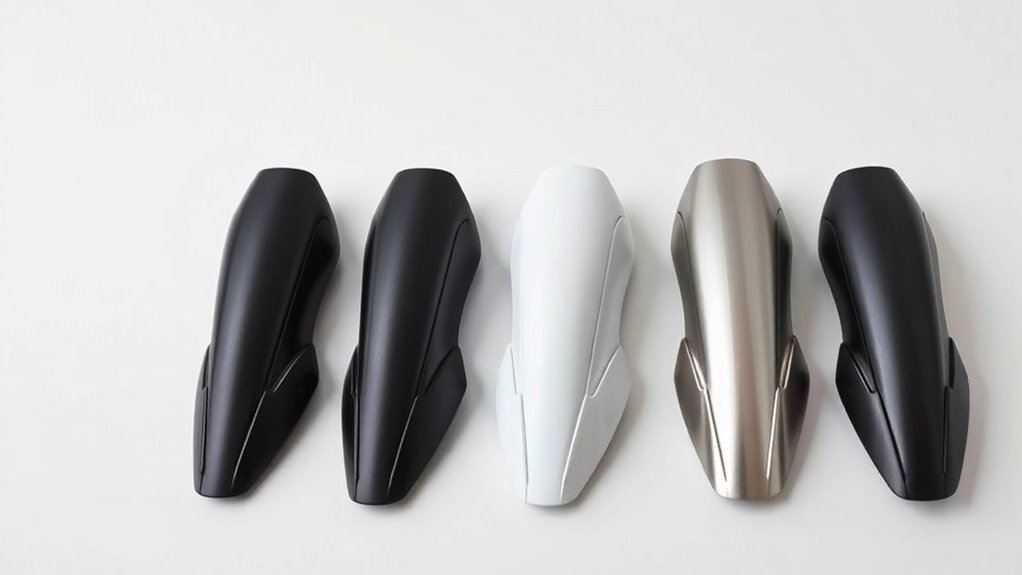
For a sleeker fit, start with geometry matched to your limb: Freedom Cover Above‑Knee Nude Water‑Resistant, Below‑Knee Tall Large, XTall 18″ Wide 16.5″ Black, Above‑Knee Water‑Resistant Black, and XTall 18″ Wide 16.5″ Nude. Choose 1/8″ Kool Flex neoprene, CE‑rated polyurethane foam, reinforced front zippers, and water‑resistant seams; otherwise you get wobble, drag, and exposed hardware. Measure standing, confirm height and circumference, and keep going for the fit rules that separate fairings from failures.
| Prosthetic Leg Cover Above Knee Nude Water Resistant | 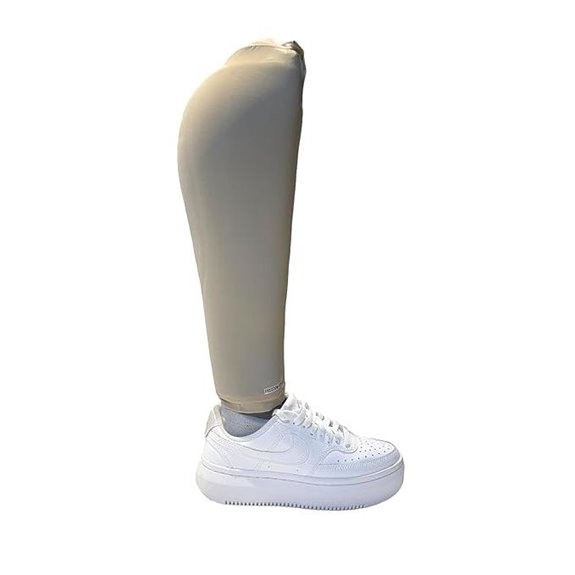 | Best Nude Fit | Coverage Area: Above knee | Color: Nude | Height: Med 14″ | VIEW LATEST PRICE | Read Our Analysis |
| Below Knee Prosthetic Leg Cover (Tall Large) |  | Best Below-Knee | Coverage Area: Below knee | Color: Nude/tan | Height: Tall | VIEW LATEST PRICE | Read Our Analysis |
| Prosthetic Leg Covers XTall 18″ Wide 16.5″ Black | 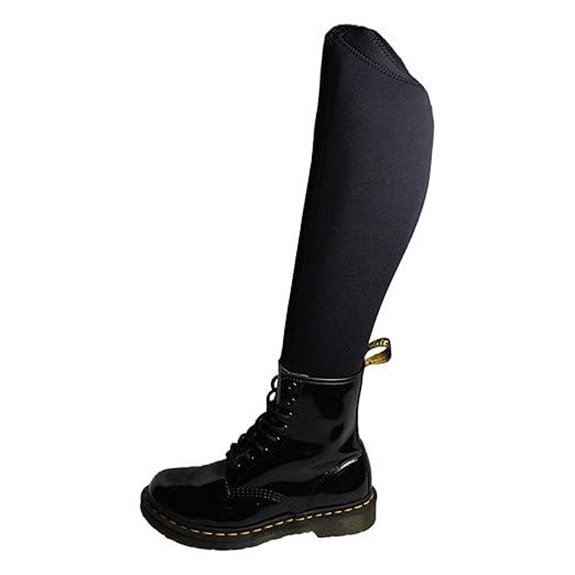 | Best Tall Fit | Coverage Area: Above knee | Color: Black | Height: XTall 18″ | VIEW LATEST PRICE | Read Our Analysis |
| Prosthetic Leg Covers XTall 18 Wide 16.5 Black | | Best Black Option | Coverage Area: Above knee | Color: Black | Height: Short 12″ | VIEW LATEST PRICE | Read Our Analysis |
| Prosthetic Leg Cover XTall 18″ Wide 16.5″ Nude | | Best XTall Fit | Coverage Area: Above knee | Color: Nude | Height: XTall 18″ | VIEW LATEST PRICE | Read Our Analysis |
More Details on Our Top Picks
Prosthetic Leg Cover Above Knee Nude Water Resistant
If you need an above-knee prosthetic leg cover that hides the mechanical build and holds up to daily abuse, choose the Freedom Cover from JAFO: a nude, tan proprietary nylon slip-on sleeve over 1/8-inch Kool flex neoprene with a polyurethane foam liner that mimics calf volume for a symmetrical profile. Measure first; four heights and two calf circumferences exist, and the medium regular fits a 14.5-inch calf with a 14-inch height. Use the front zipper, protect the limb, and keep moving. It’s water resistant, machine washable, and reinforced at the top for kneeling. Skip loose, sloppy covers; they fail fast.
- Coverage Area:Above knee
- Color:Nude
- Height:Med 14″
- Circumference:Regular 14.5″
- Material:Kool flex neoprene
- Front Zipper:Yes
- Additional Feature:Water resistant
- Additional Feature:Foam calf shaping
- Additional Feature:Kneeling reinforcement layer
Below Knee Prosthetic Leg Cover (Tall Large)
The below-knee prosthetic leg cover in tall, large sizing is the correct choice when you need a tan, water-repellent fairing that masks the mechanical limb, preserves a clean calf profile, and stands up to daily wear plus high-abuse activities like motorcycle riding, basketball, skateboarding, golfing, boating, and contact sports. Use the 1/8-inch kool flex neoprene shell, the brown/tan nylon slip-on sleeve, and the CE-rated polyurethane foam liner. Verify height and circumference first. Mount the front zipper, secure the hook-and-loop top closure, and reject poor foam fitting; below-knee shapes vary, and clinician customization prevents drag, debris intrusion, and contact risk.
- Coverage Area:Below knee
- Color:Nude/tan
- Height:Tall
- Circumference:Large
- Material:Kool flex neoprene
- Front Zipper:Yes
- Additional Feature:Hook-and-loop top
- Additional Feature:Clinician customization recommended
- Additional Feature:Debris protection
Prosthetic Leg Covers XTall 18″ Wide 16.5″ Black
Choose the Freedom Cover Prosthetic Leg Cover in XTall 18” with the Wide 16.5″ calf profile when you need a black, full-length prosthetic fairing that actually fits larger limb geometry and still clears daily abuse. You get 1/8″ Kool flex neoprene, polyurethane foam shaping, and a proprietary nylon slip-on sleeve, so the shell stays light, breathable, and removable. Use the front zipper; its reinforced top layer resists kneeling failure. The water-resistant, machine-washable cover shields dirt, debris, and exposed metal, and helps protect opponents during contact sports. Fit it to compatible Endolite, Össur, Ottobock, and Blatchford systems.
- Coverage Area:Above knee
- Color:Black
- Height:XTall 18″
- Circumference:Wide 16.5″
- Material:Kool flex neoprene
- Front Zipper:Yes
- Additional Feature:Item count two
- Additional Feature:Lightweight removable build
- Additional Feature:Contact sport protection
Prosthetic Leg Covers XTall 18 Wide 16.5 Black
Built for amputees who need a black, above-knee prosthetic leg cover that can take abrasion, dampness, and repeated kneeling, this model pairs a lightweight 1/8″ Kool Flex neoprene shell with a CE-rated polyurethane foam liner to protect the limb while preserving a clean, symmetrical profile. Choose your height and calf width—regular 14.5″ or wide 16.5″—and measure carefully. The front zipper, backed by an extra reinforcement layer, withstands frequent kneeling. A snug JAFO nylon sleeve with hook-and-loop closure locks it down. Use it with major knees and feet for riding, sports, or boating.
- Coverage Area:Above knee
- Color:Black
- Height:Short 12″
- Circumference:Wide 16.5″
- Material:Kool flex neoprene
- Front Zipper:Yes
- Additional Feature:Wide size option
- Additional Feature:Opponent contact protection
- Additional Feature:Brand compatibility list
Prosthetic Leg Cover XTall 18″ Wide 16.5″ Nude
If you need a prosthetic leg cover that fits a taller build and a wider calf, this XTall 18” Wide 16.5″ Nude Freedom Cover by JAFO is the correct pick. Use the front zipper, place the polyurethane foam liner, and secure the tan nylon sleeve over the black 1/8″ Kool Flex neoprene base. You get water resistance, fire-retardant CE-rated foam, and top reinforcement for kneeling durability. It protects your limb from dirt and debris, shields exposed metal, and suits daily wear, basketball, boating, golfing, skateboarding, motorcycle riding, or contact sports.
- Coverage Area:Above knee
- Color:Nude
- Height:XTall 18″
- Circumference:Wide 16.5″
- Material:Kool flex neoprene
- Front Zipper:Yes
- Additional Feature:Sleeve sold separately
- Additional Feature:Everyday knee protection
- Additional Feature:Symmetrical aesthetic finish
Factors to Consider When Choosing Prosthetic Leg Covers and Fairings
Measure first, and match the cover to your limb’s height and circumference exactly; if the fit’s wrong, you’ll get wobble, pressure points, or outright interference with gait. Choose materials that can take abrasion, impact, and repeated flexing, then verify water resistance if you’ll face rain, sweat, or wash-down conditions. Use a closure design that locks securely without snagging, loosening, or adding bulk, as a sloppy fastening turns a good fairing into a daily liability.
Fit and Measurements
Fit starts with numbers, not eyeballing. Measure your residual limb length and the calf circumference at the widest point; match those figures to the cover’s height and circumference so the shell sits snug and symmetric. Check the catalog: short, medium, tall, or extra-tall. Choose the height that clears the knee joint without biting into flexion. Select regular or wide circumference so the foam liner and sleeve conform to your limb shape, not crush it or float with gaps. Include liner and sock thickness in every measurement, then re-measure with your daily setup on. If you use a front zipper or hook-and-loop closure, verify smooth donning, doffing, and reinforced stress points for kneeling. Ignore guesswork; it causes slippage, rub spots, and premature wear.
Height and Circumference
For a cover to sit cleanly, you need the vertical height and the calf circumference, not a guess and not a “close enough” fit. Measure from the knee line to the top of the calf whilst standing, then take the maximum calf circumference under load. Match those numbers to the manufacturer’s chart; round exactly as directed. Don’t improvise. Height matters since covers come in Short, Medium, Tall, and X‑Tall, and the wrong length telegraphs itself instantly under a pant leg. Circumference matters since the foam liner and any clothing bulk must fit without slipping, pinching, or creating gaps. For sports, bias slightly tighter to limit shifting. For daily wear, allow a touch more room. Choose the spec, not your intuition.
Material Durability
When durability matters, choose a cover built from closed-cell neoprene or another dense synthetic rubber at roughly 1/8″ thickness; that construction gives you abrasion resistance without turning the shell brittle, and it stands up to daily scraping, kneeling, and impact far better than soft, low-density foam. Specify fire-retardant, CE-rated polyurethane liners so the cushioning keeps its shape instead of collapsing under repeated loading. Inspect stress points—zipper tracks, top hems, attachment edges—and demand internal reinforcement there, since those seams fail first during donning, doffing, and floor contact. Machine-wash the cover with mild detergent, then air-dry it; high heat ruins adhesives and accelerates polyurethane breakdown. Ignore flimsy foam and weak stitching. They’re false economy. Choose dense materials, reinforced joins, and a build that resists tearing.
Water Resistance
Water resistance starts with the shell and the closure, not wishful thinking. Choose neoprene with sealed seams if you need splash protection; it repels light dampness, but it won’t survive submersion. Use water-repellent outer fabrics so water beads off instead of soaking into foam liners, which lose cushioning as they absorb dampness. Specify closed-cell or treated polyurethane liners with fire-retardant, CE-rated construction; they cut absorption and microbial growth. Insist on machine-washable covers that dry fast after exposure. Wet gear breeds odor, degrades fit, and shortens service life. If your cover uses openings, keep exposed edges water-resistant, since every gap is a path for ingress. Ignore flimsy materials, and you’ll pay with soggy foam, poor hygiene, and repeated replacement.
Closure Design
Once dampness resistance is set, lock down the closure; a cover that keeps water out but opens poorly still fails in service. Choose a front zipper when you need fast donning and doffing; specify a reinforced top stop and protected seam tape, or the slider edge will fray under kneeling and repeated cycles. Use hook-and-loop top closures on slip-on sleeves when you need adjustable upper-edge tension; they grip the cuff, limit slippage, and keep the cover seated during gait. For the best retention, use a zipper-plus-hook-and-loop system; it cuts distal migration and still permits quick removal. Put the closure front for access, posterior for better cosmetics. In wet use, demand water-resistant hardware and sealed zipper paths. Cheap, exposed closures leak and fail.
Knee Protection
As the knee takes the brunt of kneeling, impact, and incidental contact, build protection into the cover itself: specify a padded liner or foam layer under the outer shell so sharp metal knee components don’t strike skin, clothing, or bystanders during a fall or collision. Reinforce the knee zone with extra layering, ideally a dense polymer or ballistic textile, since repeated kneeling chews through thin shells. Don’t trust a front zipper unless its top edge is braced; otherwise, flexing loads snap teeth or pull seams apart. Choose water-resistant, abrasion-resistant fabric to block moisture and grit from crushing padding. Size it tightly around the joint. If it shifts, protection fails, period. A snug fit keeps the cover seated, preserves impact shielding, and prevents exposed hardware from turning every bump into damage.
Aesthetic Match
Match the cover to the wearer, not the catalog image. Choose a color and texture that track your skin tone or clothing palette; at close range, minor shifts in shade and sheen read as obvious mismatches. Measure height and calf circumference, then demand proportions that mirror the contralateral limb, or your silhouette will look off-balance. Use a liner or foam shaping core that reproduces natural calf taper, not a flat panel or a swollen bulge under fabric. Specify matte finishes when you need seam and scuff suppression; glossy shells broadcast edges and irregularities. Account for seasonal wardrobe, too: shorts, swimwear, and cropped hems expose more surface, so the cover must mimic skin or clothing more closely than a pant-hidden build ever does.
Activity Compatibility
If your gait, sport, or work cycle changes the loading pattern, choose the cover for that duty first and the appearance second. For water, specify water-resistant or repellent finishes; otherwise dampness wicks into seams, delays drying, and breeds failure. For basketball, skateboarding, or contact work, demand reinforced shells with zipper or closure reinforcements—impact and kneeling will tear weak trim fast. For walking, hiking, or cycling, use lightweight, breathable neoprene; it trims added mass and cuts heat buildup over long durations. If you spar or play team sports, enclose exposed metal knees and joints to protect you and nearby people. Mixed-use? Fit modular systems with removable cosmetic sleeves or foam liners. Swap components by task, not by whim. Cheap all-purpose covers crack, chafe, and underperform.
Frequently Asked Questions
How Do I Clean Prosthetic Leg Covers Without Damaging Them?
You’ll clean them with mild soap, lukewarm water, and a soft cloth, then rinse and air-dry them. Don’t scrub, soak, or use harsh chemicals, and always follow your manufacturer’s care instructions closely.
Can Prosthetic Leg Fairings Improve Aerodynamics for Running?
Yes, you can gain some aerodynamic benefit, especially at higher speeds. You’ll reduce drag with a smoother shape, but training, fit, and running form matter much more than fairings alone for performance.
Are Custom Prosthetic Leg Covers Covered by Insurance?
Usually, you’ll need prior authorization, and coverage depends on your plan, medical necessity, and documentation. You should ask your insurer and prosthetist, since cosmetic covers often aren’t covered, whereas functional ones sometimes are.
How Often Should Prosthetic Leg Covers Be Replaced?
You should replace prosthetic leg covers every 1-3 years, or sooner if they crack, loosen, discolor, or stop fitting well. You’ll need more frequent replacements if you’re active or your limb changes shape.
Do Prosthetic Leg Covers Affect Socket Comfort or Fit?
Yes, they can if they add bulk, rub, or trap heat. You’ll usually notice pressure changes more than true socket fit. Keep your prosthetist informed, and don’t ignore persistent discomfort or skin irritation.


