Hi, I am Aria, welcome to my life!

6 Best Prosthetic Liners for Sensitive Skin That Stay Gentle
Gentle prosthetic liners for sensitive skin that reduce friction, wick sweat, and prevent sores—discover the best comfortable, durable options now.

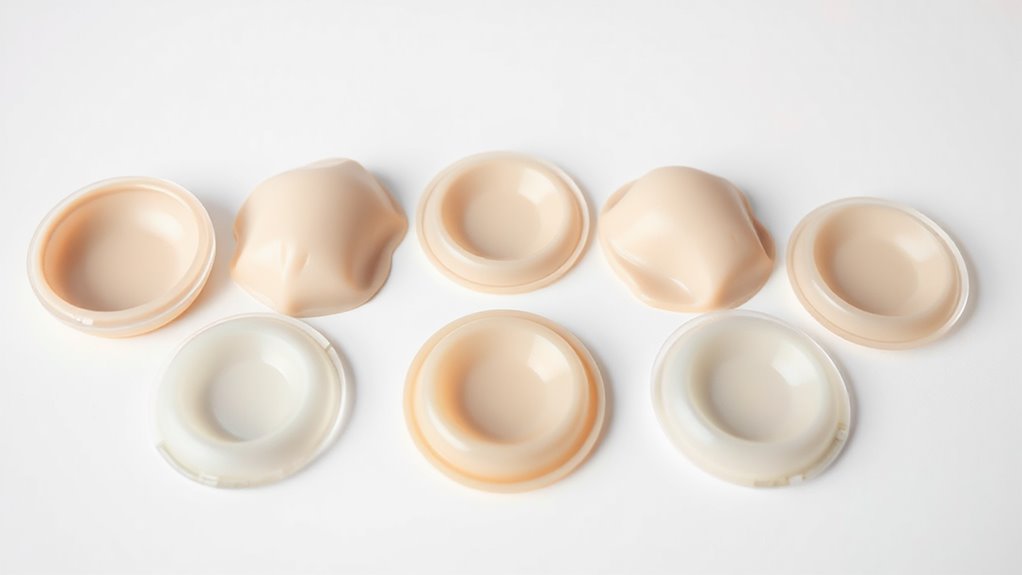
For sensitive skin, choose reusable silicone or GlideWear prosthetic liner patches, high-density EVA foam pads, and breathable nylon-spandex blends that cut shear, wick sweat, and hold shape through hundreds of wear cycles. Prioritize low-friction surfaces, localized offloading at bone spurs, and machine-washable construction. Reject liners that collapse, swell, or roughen early; they trap dampness, raise friction, and trigger sores. Match thickness to pressure terrain, then inspect fit, as the next layer changes the outcome.
| Reusable Silicone Prosthetic Liner Patch for Amputees | 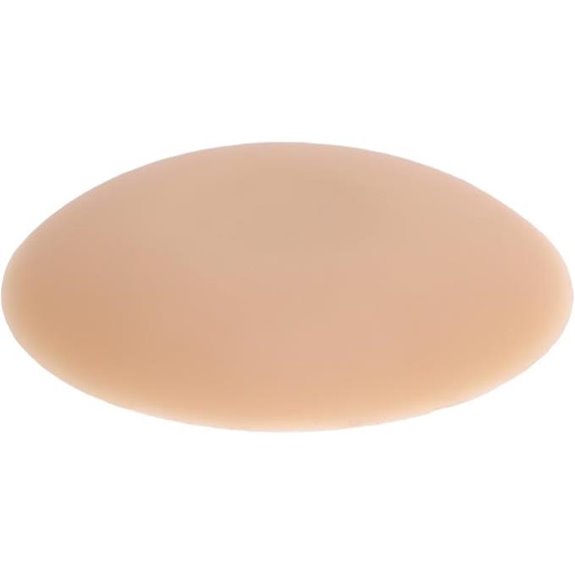 | Best for Bone Spurs | Friction Relief: Reduces friction | Skin Protection: Protects sensitive stump areas | Reusable: Reusable | VIEW LATEST PRICE | Read Our Analysis |
| Prosthetic Liner Silicone Patch Reduce Friction Pad | 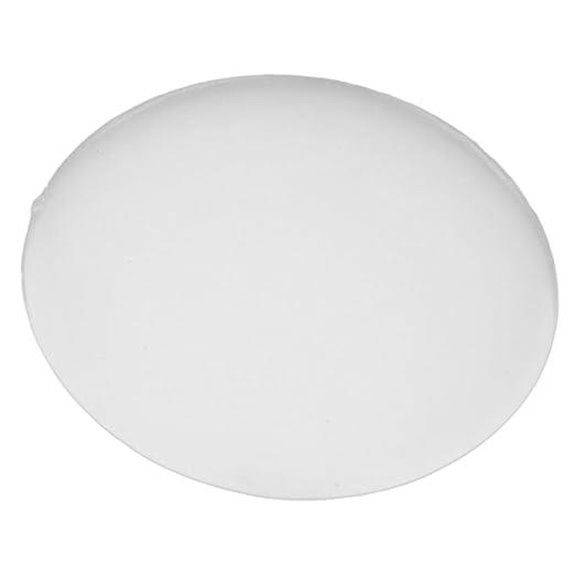 | Soft Silicone Pick | Friction Relief: Reduces friction | Skin Protection: Prevents irritation | Reusable: Reusable | VIEW LATEST PRICE | Read Our Analysis |
| Amputee Prosthetic Liner Patch for Skin Protection | 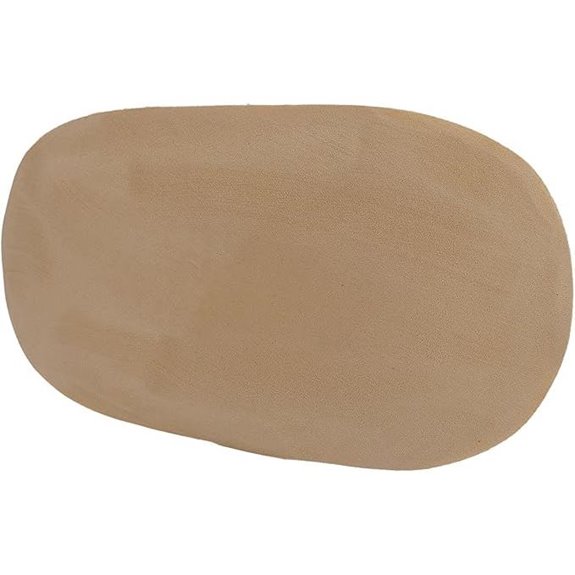 | Best Cushioning | Friction Relief: Reduces friction | Skin Protection: Prevents skin breakdown | Reusable: Reusable | VIEW LATEST PRICE | Read Our Analysis |
| Prosthetic Silicone Liner Pad for Amputees | 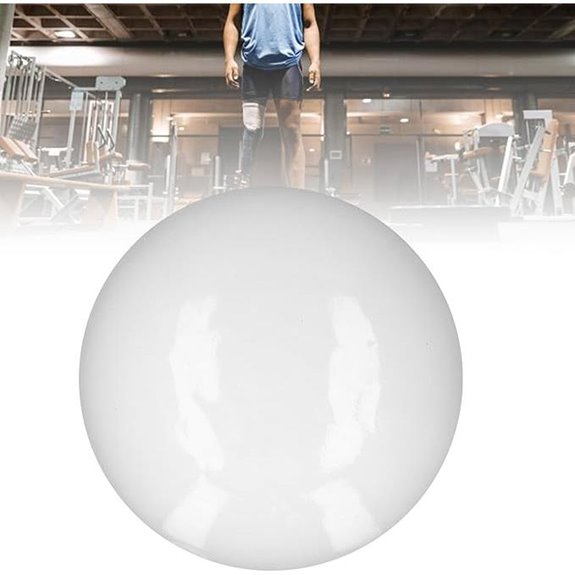 | Most Comfortable | Friction Relief: Reduces friction | Skin Protection: Protects bone spurs | Reusable: Reusable | VIEW LATEST PRICE | Read Our Analysis |
| Prosthetic Liner Patch Silicone for Lower Amputees |  | Best Daily Wear | Friction Relief: Reduces friction | Skin Protection: Protects irritated skin | Reusable: Reusable | VIEW LATEST PRICE | Read Our Analysis |
| Tamarack Prosthetic Liner Patch with GlideWear Technology (Small 2 Pack) | 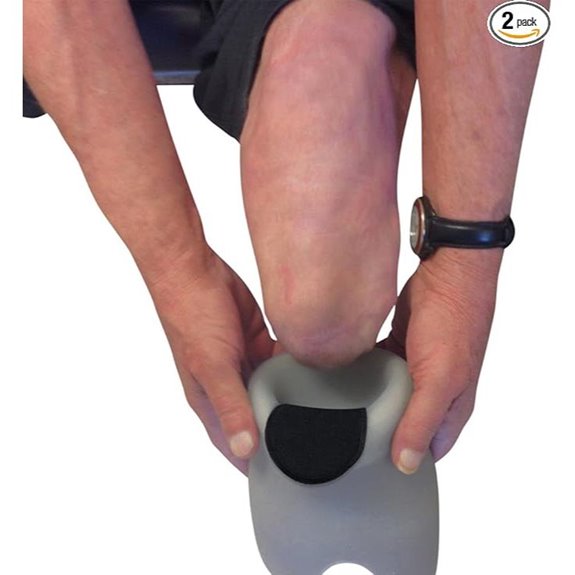 | Best Shear Relief | Friction Relief: Reduces friction/shear | Skin Protection: Prevents blisters/sores | Reusable: Reusable | VIEW LATEST PRICE | Read Our Analysis |
More Details on Our Top Picks
Reusable Silicone Prosthetic Liner Patch for Amputees
If you’re an amputee dealing with prominent bone spurs, stop tolerating liner-induced trauma and switch to a reusable silicone prosthetic liner patch built to shield vulnerable tissue from pressure peaks and shear. Ultra-soft silicone conforms to stump geometry, locking in a secure fit whilst preserving all-day wear comfort. Apply it where abrasions, redness, soreness, and irritation start. The patch instantly cuts friction between your limb and prosthetic liner, so prolonged activity or rest won’t keep punishing skin. Durable silicone holds shape over time; wash with mild soap and water, then reuse it. Stop replacing failures.
- Friction Relief:Reduces friction
- Skin Protection:Protects sensitive stump areas
- Reusable:Reusable
- Soft Padding:Ultra-soft silicone
- Lower-Limb Fit:Lower-limb amputees
- Easy Care:Soap and water
- Additional Feature:Ultra-soft silicone
- Additional Feature:Shape-retaining durability
- Additional Feature:Bone spur protection
Prosthetic Liner Silicone Patch Reduce Friction Pad
For lower-limb amputees who fight redness, soreness, and liner hot spots at a prominent bone spur, use a reusable prosthetic liner silicone patch that cuts friction at the contact point and restores tolerable wear time. Place the soft silicone pad where the liner abrades tissue. Its compliant surface disperses pressure, resists deformation, and delivers immediate relief from irritation. Clean and reuse it; don’t discard functional cushioning after one wear. MOTOULAX’s 1-count patch, model MOTOULAXsw7dvzt03e, stays dry, supports mobility, and keeps contact forces controlled. Stop tolerating raw skin. Resist friction, or your socket fit fails.
- Friction Relief:Reduces friction
- Skin Protection:Prevents irritation
- Reusable:Reusable
- Soft Padding:Soft silicone
- Lower-Limb Fit:Lower-limb amputees
- Easy Care:Easy maintenance
- Additional Feature:MOTOULAX branded
- Additional Feature:Model MOTOULAXsw7dvzt03e
- Additional Feature:Eyelash adhesives listing
Amputee Prosthetic Liner Patch for Skin Protection
Amputees dealing with redness, soreness, or recurrent irritation at the prosthetic interface need a liner patch that breaks the friction cycle fast. Use an EVA foam patch at the high-friction contact zone; it cushions, absorbs shock, and cuts rubbing and shear before they trigger blisters, ulcers, or skin breakdown. You’ll get immediate comfort and lasting wear tolerance. Don’t ignore pressure points—they compound. Place the patch on the residual limb interface, where repetitive trauma starts, and preserve skin integrity. This isn’t optional maintenance; it’s mechanical skin protection that keeps your prosthesis wearable.
- Friction Relief:Reduces friction
- Skin Protection:Prevents skin breakdown
- Reusable:Reusable
- Soft Padding:EVA foam
- Lower-Limb Fit:Lower-limb amputees
- Easy Care:Easy maintenance
- Additional Feature:EVA foam cushioning
- Additional Feature:Shock absorption
- Additional Feature:Prevents skin breakdown
Prosthetic Silicone Liner Pad for Amputees
A soft silicone prosthetic liner pad delivers the right answer when distal limb tissue can’t tolerate repeated shear, point loading, or liner-to-skin abrasion. Use it for lower-limb amputees with bone spurs or sensitive distal ends. The soft silicone insert cushions, reduces friction, and blocks redness, soreness, and irritation. It stays durable under repeated use, keeps its shape, and provides localized support without adding bulk. Place it between limb and liner; maintain it, reuse it, and stop pretending raw skin should endure mechanical abuse. Protect the stump. Restore comfortable, dry wear, and keep mobility moving.
- Friction Relief:Reduces friction
- Skin Protection:Protects bone spurs
- Reusable:Reusable
- Soft Padding:Soft silicone
- Lower-Limb Fit:Lower-limb amputees
- Easy Care:Easy maintenance
- Additional Feature:Dry-wear comfort
- Additional Feature:Localized support
- Additional Feature:Maintains repeated use
Prosthetic Liner Patch Silicone for Lower Amputees
Silicone patch liners earn their place when residual-limb skin is breaking down under friction, pressure, and poor socket tolerance. Use ultra-soft medical-grade silicone on lower-limb stumps with bone spurs or hypersensitive skin. It cuts shear, cushions pressure points, and improves alignment, so your socket stops grinding hot spots. Choose the ergonomic patch for daily wear or high-activity sessions; it’s lightweight, flexible, and won’t bulk up your interface. Wash it with mild soap and water. Reuse it. Keep shape, keep softness, keep control.
- Friction Relief:Reduces friction
- Skin Protection:Protects irritated skin
- Reusable:Reusable
- Soft Padding:Ultra-soft silicone
- Lower-Limb Fit:Lower-limb amputees
- Easy Care:Soap and water
- Additional Feature:Medical-grade silicone
- Additional Feature:Ergonomic pad shape
- Additional Feature:Better prosthetic alignment
Tamarack Prosthetic Liner Patch with GlideWear Technology (Small 2 Pack)
Tamarack’s Prosthetic Liner Patch with GlideWear Technology is the right choice when friction, not socket fit, is driving the problem: rubbing, pain, redness, hot spots, soreness, blisters, or skin breakdown that’s blocking prosthesis wear. Use it only for lower-limb amputees. The small patch measures 2.5 in × 4.75 in, comes two per pack, and uses 85% nylon, 15% spandex, latex-free fabric. Its patented GlideWear layer cuts shear, breathes, and stays put all day. Place it over the sore area, then pull any gel liner over it; if skin’s open, dress the wound first. Machine wash it.
- Friction Relief:Reduces friction/shear
- Skin Protection:Prevents blisters/sores
- Reusable:Reusable
- Soft Padding:Silk-like fabric
- Lower-Limb Fit:Lower-limb amputees
- Easy Care:Machine washable
- Additional Feature:GlideWear technology
- Additional Feature:Breathable fabric blend
- Additional Feature:Made in USA
Factors to Consider When Choosing Prosthetic Liners for Sensitive Skin
You need skin-friendly materials that won’t trigger dermatitis—medical-grade silicone or breathable polymer blends, not low-grade elastomers that trap heat and dampness. Prioritize friction reduction and pressure-point protection: a liner with low shear coefficient, uniform wall thickness, and a stable fit cuts hot spots, whereas poor sizing destroys comfort fast. Choose reusable durability only if the liner keeps its elasticity, adhesion, and surface integrity after repeated cleaning; once it cracks, hardens, or slips, it’s failed.
Skin-Friendly Materials
When sensitive skin is the limiting factor, choose liner materials that reduce shear, control humidity, and do not introduce new allergens. Medical-grade silicone is your default: hypoallergenic, soft, conforming, and resistant to deformation, so it protects fragile tissue over time. Specify latex-free construction and exclude dyes, formaldehyde, and other common sensitizers; anything else invites contact dermatitis. Use breathable textile blends, especially nylon/spandex with moisture-wicking performance, to limit heat buildup and maceration. EVA foam and similar closed-cell foams can redistribute pressure and absorb shock, but they may trap humidity—pair them with a breathable layer or skip them. Demand documented durability, washability, and shape retention. If you can’t clean it and trust it to hold form, it won’t protect compromised skin.
Friction Reduction
Drive friction down at the skin-liner interface or expect breakdown. Choose low-coefficient materials—medical-grade silicone or smooth textile surfaces—to cut shear, limit hot spots, and stop blistering before it starts. Favor thinner, conformable liners; they adapt to bony prominences and spread contact load instead of concentrating abrasive stress. Keep the interface dry. Breathable, moisture-wicking fabrics reduce maceration, and wet skin drives the coefficient of friction upward, which means more irritation, not less. Specify surface treatments or silky coatings that blunt repetitive shear cycles during gait, since those cycles wreck sensitive skin fast. Add reusable protective inserts or patches at high-contact zones when needed. Don’t tolerate rough seams, tacky finishes, or soaked liners. Those shortcuts invite abrasion, breakdown, and time off your limb.
Pressure Point Protection
Map the pressure terrain before you choose a liner. Identify bony prominences, bone spurs, and prior hot spots; those are your failure zones for redness, blisters, and skin breakdown. At each site, demand localized silicone or foam inserts, since focal loads can exceed capillary closing pressure at roughly 32 mmHg. Select materials with shock-absorbing and shear-dampening behavior; repetitive microtrauma breeds ulcers and chronic irritation. Make certain the liner or pad conforms tightly to your residual limb shape, or you’ll create new pressure points while trying to offload old ones. After activity, inspect the skin immediately. Persistent erythema or pain after 15–30 minutes of wear means you need more padding, a load change, or a different interface. Ignore that warning and expect damage.
Fit And Comfort
Fit the liner to the residual limb, not the other way around. You need close contour contact over bony prominences, since even pressure distribution kills localized shear and stops skin breakdown. Use medical-grade silicone or EVA foam: soft, flexible, and thin enough to preserve socket fit without deadening suspension. Match thickness to risk—thin in tight zones, thicker over bone spurs and scars, where focal pressure and friction spike. Reject liners that collapse, stretch out, or lose elasticity; shape retention isn’t optional when you wear the device daily. Additionally demand breathable, perspiration-managing surfaces, or pair the liner with a compatible underlayer. Heat and sweat are irritants, not inconveniences. If the liner traps dampness or bunches, your fit’s wrong, and your skin will tell you fast.
Reusable Durability
Once the liner fits, judge it by what it can survive. Choose medical-grade silicone or high-density EVA foam; both can hold shape and cushioning through hundreds of wear cycles. Demand tear and fatigue resistance, as daily donning and doffing pounds weak materials until they split. Insist on reusable construction that resists deformation, so pressure stays distributed and new hot spots don’t form. Verify cleaning: soap-and-water or machine-washable surfaces, plus low dampness absorption, block microbial buildup that ruins liners and irritates sensitive skin. Preserve elasticity and surface smoothness; when those fade, friction rises and abrasion follows. Reject soft goods that collapse, swell, or roughen early. Durability isn’t optional—it’s the difference between stable skin and a broken-down interface that keeps injuring you.
Frequently Asked Questions
How Often Should Prosthetic Liners Be Replaced?
You should replace prosthetic liners every 6 to 12 months, but you’ll need sooner changes if they crack, thin, lose grip, or cause irritation. Check them regularly and follow your prosthetist’s advice.
Can Liners Be Worn During Hot Weather?
Yes, you can wear liners in hot weather, but you’ll sweat more, so you should choose breathable materials, monitor skin closely, and clean and dry the liner often to reduce irritation and discomfort.
How Do I Clean a Prosthetic Liner Properly?
You’ll clean your prosthetic liner with mild soap and warm water, then rinse thoroughly and air-dry completely. Don’t use harsh cleaners, scrub gently, and check your liner’s care instructions for any special steps.
Are Prosthetic Liners Available in Different Thicknesses?
Yes, you’ll find prosthetic liners in various thicknesses, from thin for closer fit to thicker for extra cushioning. You should ask your prosthetist which option balances comfort, control, and socket fit best for you.
Will a Liner Affect My Prosthesis Fit?
Yes, it can. You’ll notice changes in socket volume, cushioning, and suspension, so your prosthesis may fit tighter or looser. You should test the liner, then adjust the socket or padding for comfort and stability.