Hi, I am Aria, welcome to my life!

3 Best Residual Limb Moisturizers for Amputees Who Need Relief
Find the best residual limb moisturizers for amputees needing fast relief. Compare soothing, non-greasy options that help reduce chafing, protect skin, and support all-day comfort.

Use Soothing Prosthetic Salve first: 4 oz lanolin USP plus 300% beeswax makes a firm, high-viscosity barrier that resists heat, pressure, and liner shear. Choose Resilience Chafe Barrier Cream, 6 fl oz, for a non-greasy shea-butter film that won’t sabotage suspension. Keep Body Glide Anti-Friction Cream, 1.6 oz, for plant-derived, lanolin-free daily use. Patch-test 48–72 hours, reapply after washing, and stop greasy products hours before donning. Keep going, and you’ll see how to match formula to skin and activity.
| Soothing Prosthetic Salve with Lanolin & Beeswax 4 oz |  | Best for Prosthetic Wear | Friction Protection: High-friction barrier | Moisturizing: Lanolin hydration | Texture: Firm balm | VIEW LATEST PRICE | Read Our Analysis |
| Resilience Chafe Barrier Cream Anti-Friction 6 fl oz (177.4 ml) Tube | 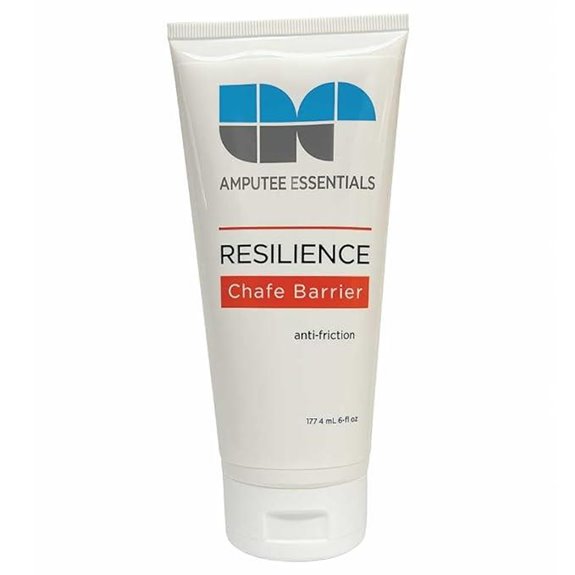 | Best Non-Greasy Barrier | Friction Protection: Anti-friction barrier | Moisturizing: Skin-conditioning | Texture: Cream | VIEW LATEST PRICE | Read Our Analysis |
| Body Glide Anti-Friction Anti-Chafing Cream 1.6oz | 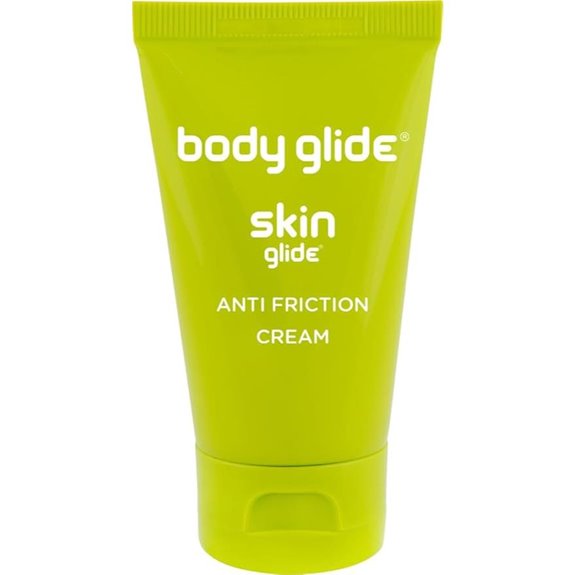 | Best Chafing Relief | Friction Protection: Anti-chafing barrier | Moisturizing: Moisture-rich | Texture: Silky cream | VIEW LATEST PRICE | Read Our Analysis |
More Details on Our Top Picks
Soothing Prosthetic Salve with Lanolin & Beeswax 4 oz
If you need a residual limb moisturizer that actually holds under load, use Soothing Prosthetic Salve with Lanolin & Beeswax 4 oz. Apply it before liner contact; the 300% beeswax increase builds a high-viscosity barrier that resists heat, pressure, and shear. You get Lanolin USP, which mimics skin lipids, conditions tissue, and adds subtle grip so your liner doesn’t skate. Expect a firm, stay-put balm, not a thin jelly that fails fast. Use it for chafing prevention, irritation control, and durable dampness during long wear. Made in the USA, 2026 reformulation, with clean citrus scent.
- Friction Protection:High-friction barrier
- Moisturizing:Lanolin hydration
- Texture:Firm balm
- Residue:Stay-put
- Fragrance:Citrus scent
- Made In:USA
- Additional Feature:High-viscosity barrier
- Additional Feature:300% more beeswax
- Additional Feature:Lanolin skin conditioning
Resilience Chafe Barrier Cream Anti-Friction 6 fl oz (177.4 ml) Tube
Resilience Chafe Barrier Cream is the right call for prosthetic users who need a non-greasy anti-friction barrier that actually stays in place. You get a 6 fl oz, 177.4 ml flip-top tube, made in the USA, with no parabens or synthetic fragrances. Apply it to the residual limb before socket donning. The shea butter and lubricating additives cut rubbing, block friction, and help prevent skin-cell damage. It furthermore shields natural oils, strengthening your skin under load. Safe for all skin types, this cream belongs in any disciplined socket-care routine. Ignore greasy substitutes; they fail under pressure.
- Friction Protection:Anti-friction barrier
- Moisturizing:Skin-conditioning
- Texture:Cream
- Residue:Non-greasy
- Fragrance:Fragrance-free
- Made In:USA
- Additional Feature:Shea butter formula
- Additional Feature:Flip-top tube
- Additional Feature:Skin cell protection
Body Glide Anti-Friction Anti-Chafing Cream 1.6oz
Body Glide Anti-Friction Anti-Chafing Cream 1.6oz is the right tool when rubbing, heat, and dampness keep breaking down skin on a residual limb or other high-friction areas. Apply it to thighs, feet, groin, butt, nipples, neck, waist, or any skin-on-skin contact point. The cream turns silky on contact, then leaves a hydration-rich barrier that resists sweat whilst letting it escape. Use it daily in humid or dry conditions. It won’t clog pores, and its allergen-free, plant-derived formula avoids petroleum, lanolin, and mineral oils. Keep skin protected.
- Friction Protection:Anti-chafing barrier
- Moisturizing:Moisture-rich
- Texture:Silky cream
- Residue:Lightweight
- Fragrance:Fragrance-free
- Made In:Not specified
- Additional Feature:Sweat-escape breathable barrier
- Additional Feature:Allergen-free ingredients
- Additional Feature:Clothing-safe formula
Factors to Consider When Choosing Residual Limb Moisturizers for Amputees
You need to match the moisturizer to your skin sensitivity first—choose fragrance-free, dye-free formulas with low-irritant bases like petrolatum, dimethicone, or ceramides if you react to lanolin, alcohol, or botanical extracts. Check barrier strength and friction control next: the product must leave a durable occlusive film that cuts shear under liner contact, meanwhile still absorbing cleanly enough to avoid residue buildup and socket slippage. Texture and wear decide the rest—pick a cream or balm with stable viscosity, fast set, and moisturizing agents such as glycerin or urea, since greasy, unstable formulations fail under heat, sweat, and repeated donning.
Skin Sensitivity Needs
When residual-limb skin already shows eczema, contact dermatitis, or pressure-related maceration, stop using generic products and select a humectant stripped of known irritants—parabens, strong fragrances, and problematic preservatives—because inflamed skin reacts fast and fails under repeated exposure. Patch-test any new formula on a small area for 48–72 hours; watch for redness, itching, or blistering. If lanolin or botanical extracts trigger you, discard them. Choose non-comedogenic, breathable blends with emollients and occlusives in balanced amounts, not greasy sludge, so sweat and friction don’t clog follicles. Match viscosity to use: lighter lotions for fragile, damp skin; thicker balms for high-output days. If you get persistent redness, breakdown, odor, or recurrent infection, see a clinician immediately. Standard moisturizer isn’t enough.
Barrier Strength
If the goal is real residual-limb protection, choose barrier strength first, not scent, not packaging, not marketing gloss. You need a moisturizer that builds a cohesive, film-forming layer that survives shear, compression, and repeated socket rubbing. Pick high-viscosity balms with added waxes; they usually outlast thin gels and light lotions. Demand water-resistance, heat retention, and stable film integrity during hours of activity, since melting and migration mean failure. The right barrier keeps native lipids and moisture in place, lowers skin breakdown risk, and lets you reapply less often. Ignore products that feel slick but collapse under pressure. Test for retention under simulated shear or heat, and judge them by measurable barrier strength, not vague comfort claims or cosmetic polish.
Friction Protection
Prioritize stick–slip control, not just “smoothness.” A residual-limb moisturizer that wins on friction protection needs enough tack to reduce liner-to-skin micro-motion, yet not so much slip that it migrates, rubs off, or turns into a transient film by mid-shift. Choose high-viscosity barrier formulas—wax-heavy or solid-emollient—because they build a thicker layer that resists shear, heat, and pressure. Demand proof of reduced rub-off under repeated sweat-and-motion cycles, not marketing fluff. Semi-occlusive films are the target: they redistribute force, blunt epidermal abrasion, and still let vapor escape. If a product can’t survive simulated body heat without melting, it fails. If it traps hydration and macerates skin, it fails too. You need longevity and breathability, balanced with mechanical discipline.
Moisturizing Ingredients
After friction control, ingredient selection decides whether a residual-limb emollient helps or sabotages the fit. Choose lanolin or shea butter when you need lipids that mimic skin and restore the barrier on fragile tissue. Use humectants—glycerin or hyaluronic acid—to pull water into the stratum corneum, then pair them with occlusives like beeswax or petrolatum so the hydration doesn’t evaporate. Ignore cheap fragrance, parabens, and dye-heavy formulas; they raise the odds of allergic contact dermatitis. Demand pharmaceutical- or medical-grade ingredients. Then check mechanics: higher-viscosity balms, rich in wax, resist migration under heat and pressure better than thin, oily creams. Heavy occlusives can feel tacky under liners, so don’t confuse seal with comfort. Choose stability, not slick marketing.
Texture And Wear
Texture governs wear. Choose a firm, high-viscosity balm when heat, friction, and repetitive gait cycles threaten rapid breakdown; its waxy matrix resists melt-off and rub-off better than thin gels. For daily low-intensity wear, a lightweight, non-greasy cream spreads fast, absorbs quickly, and leaves less residue on liners and clothing, but expect more frequent reapplication. Demand slight tack, not slime: controlled grip helps liner suspension and limits internal shear, whereas overly slick products destabilize fit. Match the texture to climate and duty cycle. In hot conditions, use high-melt-point balms. In cooler, shorter wear periods, use fast-absorbing creams. Favor breathable, dampness-resistant formulas when sweat management matters; save occlusive ointments for brief recovery, as continuous use traps heat and humidity and invites failure.
Scent And Irritation
When your residual limb skin runs reactive, fragrance is not a cosmetic detail—it’s a common dermatitis trigger, and you should treat it like one. Choose fragrance-free or low-intensity, phthalate-free formulas; synthetic perfumes, strong citrus extracts, and drying alcohols can drive transepidermal water loss and irritant dermatitis, especially over thin, scarred tissue. Skip products loaded with lanolin or essential oils unless you’ve patch-tested a small area for 48–72 hours and seen no reaction. Use hypoallergenic, fragrance-free labels as your baseline if you have eczema or sensitive skin. Then re-check tolerance during heat, sweating, or heavier prosthetic wear, since irritation can emerge under load. Stop immediately if you get persistent redness, itching, burning, or a new rash. Don’t negotiate with allergy. Refer for clinical review.
Application Frequency
Apply moisturizer at least twice daily—morning and evening—to preserve stratum corneum hydration and barrier function, then increase to 3–4 applications per day if the residual limb feels tight, looks damp, or has just taken a beating from heavy activity. Reapply immediately after cleansing and drying; washing strips surface lipids, and delay only worsens transepidermal water loss. Before and after long prosthetic wear, or any intense session, raise frequency—or switch to a higher-viscosity formula—when redness, rubbing, or early breakdown appears. If the product leaves grease, stop several hours before liner donning; a slippery film sabotages suspension. In cold, arid months, after swimming, or after air travel, increase use and inspect skin daily. Track comfort, residue, and wear; your skin will tell you exactly when to adjust.
Frequently Asked Questions
Can Residual Limb Moisturizers Be Used With Silicone Liners?
Yes, you can use them, but you’ll usually need to apply moisturizer when you’re not wearing your silicone liner. Let it absorb fully first, or you’ll trap dampness and reduce liner grip, comfort, and skin health.
How Often Should I Moisturize My Residual Limb?
You should hydrate your residual limb once or twice daily, usually after bathing and before bed. Don’t overdo it; use a thin layer so your skin can absorb it and your liner still fits comfortably.
Are Fragrance-Free Moisturizers Better for Sensitive Skin?
Yes—if your skin’s sensitive, you’ll usually do better with fragrance-free moisturizers since you avoid common irritants. You should patch-test first, then choose a gentle, non-greasy formula that won’t clog pores or irritate skin.
Can Moisturizers Help Reduce Skin Irritation From Sweating?
Yes, they can; you’ll reduce friction and dryness with a lightweight, fragrance-free emollient, but apply it sparingly and let it absorb first. You’ll still need breathable liners, frequent cleaning, and sweat control for best relief.
Should I Apply Moisturizer Before or After Prosthesis Use?
You should usually apply moisturizer after prosthesis use, when you’ve cleaned and dried your limb. Applying it before can reduce grip and increase irritation. Use a thin layer, and let it absorb fully first.


