Hi, I am Aria, welcome to my life!

Partial Foot Amputation: Shoes, Plates, and Toe Fillers
**Partial Foot Amputation? The Shoe Fix Most People Never Hear About**


Choosing shoes, plates, and toe fillers after a partial foot amputation doesn’t have to be guesswork. Many people assume any roomy shoe will do, but the wrong combination can lead to sore skin, uneven steps, and tired legs by evening.
Recommended Products

Propét Mens Stability X Strap Walking Walking Sneakers Shoes - Grey - Size 10.5 5E
Firm rocker sole and depth for inserts improve gait after amputation.

Shoolex ToeLuxe Amputee Toe Filler for Partial Foot & TMA — Patented Soft PU Foam Shoe Insert, Trim-to-Fit Prosthetic Toe Filler for Diabetic, Missing Toes, Men & Women (Large, 1 Pc)
Fills missing volume, prevents shoe collapse, and lasts longer than foam.

Aromuva 1 Pair 1.3mm Rigid Carbon Fiber Insole, Post-Op Shoe Alternative | For Turf Toe, Foot Fractures, Hallux Rigidus & Limitus / carbon fiber foot plate / Fits 10.28–10.63 in Removable Insoles
Stiffens forefoot for better push-off and energy return.
Check discounted items inOrthopedic Shoes
A firm rocker-sole shoe and a firm total-contact insert are a common starting point because they spread pressure and help your foot roll forward with each step. This guide explains when a toe filler makes sense, when a carbon-fiber plate is worth the cost, and why a prosthetist should check your fit before you buy anything. You’ll also find price ranges, warning signs like redness after walks, and a simple way to match your setup to your daily needs. Keep reading to see which options suit your feet, your activity level, and your budget.
Quick Answer
- Choose a firm, twist-resistant shoe with a gentle rocker toe, removable insole, and enough depth for inserts or a filler.
- A rocker sole helps the foot roll forward and may improve push-off when toes are missing.
- A carbon-fiber plate stiffens the forefoot, but its length and stiffness should match the shoe and amputation.
- A toe filler replaces missing volume and helps the shoe fit; it does not restore natural toe function or push-off.
- Have a prosthetist fit the shoe, plate, and insert together; check skin after short walks and request adjustments for persistent redness or rubbing.
How Partial Foot Amputation Changes Walking
After my partial foot amputation, my walk changed in ways I didn’t expect. The missing part of my foot could no longer help roll my body forward, so my whole stride had to adjust.
When I push off, I rely on my remaining forefoot and my big toe if I still have it. If your big toe remains, you may keep more push off power, but losing it weakens that lever and makes each step feel less steady.
My weight moved toward the edge or front of my remaining foot, and the pressure on my ankle increased. That extra load made me tire faster, slowed my pace, and caused me to lose balance on uneven ground and when I turned.
My prosthetist and physical therapist helped me correct these habits with gait training. We worked on a steady heel strike, even weight through the sole, and controlled turns. A semi-rigid rocker sole can help smooth rollover and reduce forefoot pressure during this training.
Pain or an open wound changed my stride even more. I learned to treat wound healing as the first step in getting back to walking.
A limp protected my tender area for a short time, but it strained my ankle, knee, and hip when I kept it too long. Get a gait check with your prosthetist or physical therapist early, so they can spot problems before they settle in.
Which Toe Fillers and Plates May Help?
As an amputee, I start with a custom toe filler for shape and fit. A filler replaces missing volume so the shoe doesn’t collapse around my forefoot.
It won’t recreate a natural toe or restore my gait. When I shop for a filler, I compare a foam insert with a durable silicone toe option.
Foam is light and easy to trim, while silicone holds its shape and lasts longer. I ask for a trial fitting and a removable design so I can adjust for socks, residual limb swelling, and shoe space.
Carbon fiber foot plates stiffen the sole and may improve energy return, which gives a spring effect during push off. I ask my prosthetist whether a plate would help my walking.
Plates work best in a shoe with a firm sole. Too much stiffness can feel awkward on my prosthesis.
Before I order a plate, I confirm the plate length, the shoe fit, and whether I need a rocker sole. Costs vary, so fillers may run about $100 to $500 and custom plates roughly $200 to $800 before insurance coverage. Foam fillers are easy to cut with ordinary scissors for a precise fit.
My pick is to start with the filler, then test a plate with my clinician. I change one thing at a time, because my feet dislike surprise upgrades.
When AFOs Help After Partial Foot Amputation

When my toe filler or stiff shoe plate doesn’t give me enough control, I think about an AFO, a brace that supports my ankle and foot.
An AFO makes sense when weakness, ankle instability, or a tendency for my foot to point downward makes every step feel unreliable.
It can hold my ankle in a more useful position, limit unwanted motion, and help prevent equinus, a lasting downward pull at the ankle that can develop after a partial foot amputation. The brace may make walking more efficient, so I use less effort to move, but results vary from person to person. An AFO won’t bring back missing toes.
Before I choose a design, I ask a prosthetist or physical therapist to check the fit, watch for skin pressure, and observe how I walk. A clamshell style brace adds more structure, while a lighter brace may suit milder weakness. Forearm crutches can also assist with balance during this adjustment period.
The main job of an AFO is to support my walking, so looks matter far less. If my ankle control still limits safe walking often, I see a clinician for a fresh assessment.
How to Choose Shoes After Partial Foot Amputation
The best starting point is a shoe with a firm sole, a gentle rocker toe, and enough depth for your insert or toe filler. I shop in the late afternoon, when my residual limb is most swollen, and I wear the socks I use every day.
My heel should stay in place when I walk, and my toes shouldn’t press against the front of the shoe. The shoe also shouldn’t pinch my amputation site, because a tight spot there can lead to sores quickly.
When I check depth, I bring my filler or insert with me. I ask the salesperson for removable insoles so I can swap in my own support.
I make sure the upper doesn’t press down on the top of my foot. To test the sole, I press it with my thumbs and bend it in my hands.
I choose a shoe that resists twisting and doesn’t fold easily. A sturdy base supports my padding setup, while a flimsy shoe makes me feel unsteady. For additional reassurance, a USB-C rechargeable design in a portable hygiene tool can offer similar reliability for daily routines.
If my skin feels fragile, I ask a prosthetist or podiatrist to check the fit. Comfort matters more to me than style.
How Rocker Soles and Inserts Improve Push-Off

As a below the knee amputee, I rely on a firm rocker sole to help my prosthetic foot roll forward smoothly with each step. The curved base of the foot does much of the work my ankle and toes once did. A well-fitted insert spreads pressure across the bottom of my residual limb and the prosthetic foot. Without it, one sore spot can take the full hit with every step. Together, these two features can restore the leverage I need to push off at the end of my stride. When both work well, my prosthetic foot rolls with me and helps me push off with less effort. A soft pad can support the knee during extended use by evenly distributing pressure.
Rocker-Assisted Forward Roll
As someone who lives with a partial foot amputation, I found that a firm rocker sole made a real difference in how I push off. My shortened foot couldn’t create much lift on its own, so the shoe has to help me roll forward.
The rocker toe should have a curve that starts near the ball of the foot. This curve guides each step, so the shoe rolls over it as you move ahead.
When toe off feels weak, a rocker can make walking smoother and may help you walk a little faster. It won’t solve every problem, so keep your expectations realistic.
Choose a shoe that feels steady and secure. A firm sole gives better support, and a pressure relieving insert helps spread weight across your residual foot.
Test the insert and shoe at home before you rely on them outside. Walk indoors, make a few turns, and climb a step.
Pay attention to how your residual foot feels after each task. If the rocker feels unstable, ask your prosthetist or orthotist to adjust it.
Small changes to the curve or height often improve balance. Report any new pain or pressure sores right away.
Insert Pressure Redistribution
For me, a pressure relieving insert paired with a firm rocker sole works better than either one alone. The insert spreads my weight across the bottom of my residual foot and eases pressure at its end.
The curved sole helps carry me forward, since my shortened foot can’t provide much push off on its own. I use pressure mapping to guide my insert choice.
Pressure mapping uses sensors that reveal hot spots inside the shoe. My prosthetist then builds a total contact insert that moves load toward the tolerant areas of my foot.
First, I choose a firm insert sized for extra depth shoes. Next, I check my skin after short walks.
If redness or rubbing lasts, I ask my prosthetist for a refit. The rocker smooths my step, and the insert spreads the contact.
My advice is to have both fitted together, then test them on your usual route. Two parts working as a team beat either part alone for a partial foot amputee.
For example, mats with memory-foam cushioning can absorb shock in other standing contexts, but inside your shoe, a firm total contact insert remains the priority.
Restoring Propulsive Leverage
My best bet for getting my push off back is a firm rocker sole paired with a well fitted insert. I never rely on one of these alone.
The rocker bends the shoe forward, so my step rolls ahead instead of stopping flat. A stiff plate under the forefoot gives my prosthetic foot a lever to push against.
Lever mechanics help my body move forward, so my residual limb and socket do less of the work. A carbon fiber keel can add spring, but a good fit matters more than fancy materials.
I ask my prosthetist to match the plate stiffness and rocker shape to my amputation level, walking pace, and shoe depth. Too soft, and propulsion force leaks away with every step.
Too stiff, and my stride feels like marching in borrowed boots. I try the setup indoors first, then check my residual limb and skin for pressure spots after a short walk.
I pair the rocker and the insert from the start, and I adjust them together. Quad canes offer an alternative stability option for those who need extra balance support beyond the foot and shoe setup.
What Evidence Supports Each Partial Foot Option?
As someone with a partial foot amputation, I’ve learned that the right device depends on what I need to do each day. Some options fix shoe fit, while others help me walk. No single device does everything well.
A toe filler or silicone cosmetic prosthesis fills out my shoe and makes my foot look more complete. Wearing one helps my shoes sit flat and makes me feel more at ease in public. These devices didn’t give me a stronger push off when I walked, so I don’t rely on them for that.
A toe filler improves shoe fit and appearance, but it doesn’t provide the stronger push-off I need when walking.
A carbon fiber plate stiffens the forefoot, which gives me a firmer push off on flat ground. A rigid rocker sole helps me roll forward through each step. Studies report that people walk faster with rigid rocker soles and inserts, and I’ve felt that same benefit. Similar to prosthetic limb covers, choosing materials with abrasion and impact resistance helps these devices withstand daily wear.
If my ankle feels unstable, I add support with an ankle foot orthosis (AFO) or a clamshell device. Clamshell devices restored the size of my ankle moment, while fillers alone did not. When my ankle gives out, I need that extra support rather than a filler.
Before I buy any device, I ask my prosthetist to check my residual limb pressure, shoe depth, and walking goals. Comfort matters more than how a device looks in a catalog. For me, a rocker shoe with a carbon fiber plate, plus a filler for fit, works best.
Frequently Asked Questions
What Medical Conditions Most Often Lead to Partial Foot Amputation?
Diabetic neuropathy and peripheral artery disease are the medical conditions that most often lead to partial foot amputation. Nerve damage hides small wounds, and poor blood flow slows healing, so a blister can turn into a serious infection before anyone notices.
Trauma adds to the risk, and infection, Charcot foot, osteomyelitis, smoking, and kidney failure all raise the odds further. If you have diabetes, check your feet every night with a mirror or a long-handled inspection tool.
Smokers in particular should know that nicotine narrows blood vessels, which makes wound healing far harder. Ask your podiatrist about a custom diabetic shoe with extra depth, since the right footwear reduces pressure points that lead to ulcers.
How Long Does Recovery Usually Take After Partial Foot Amputation?
Recovery after partial foot amputation usually takes several weeks to several months, though your exact timeline depends on your surgery and how your body heals. As an amputee, I know this early stretch can feel uncertain.
Wound healing comes first, and most surgeons want the incision checked within the first two weeks. Physical therapy usually starts once the wound is closed and stable.
A practical tip: keep a daily log of pain, swelling, and skin color around the incision. Bring it to every appointment so your care team can spot changes early.
Ask your prosthetist about a postoperative shoe with a rocker sole, which can ease walking while your foot adjusts.
What Signs of Wound Infection Require Urgent Medical Attention?
Signs of wound infection that need urgent medical attention include spreading redness, increasing warmth or swelling, worsening pain, pus, wound odour, red streaks, or fever.
As an amputee, I know a residual limb wound can look different under a prosthetic liner, so check it daily in good light.
Use a hand mirror or ask a helper to check the site, and photograph it each morning.
If a red streak runs up the limb or you develop a fever, do not wait for your next appointment.
Call your surgeon immediately, especially if symptoms worsen rapidly today. Keep the liner clean and dry, since trapped sweat can break the skin and invite infection.
Can a Partial Foot Amputation Later Be Revised to a Different Level?
Yes, a partial foot amputation can later be revised to a different level, such as below-knee, if healing or function requires it. Revision is often considered when the original site fails to close or cannot support a prosthesis.
About 20% of Lisfranc amputations experience wound-healing failure, so surgeons time revisions around healing, infection, circulation, and your goals. Bone spurs can also be addressed during the same procedure.
Tip: Log your wound’s drainage, color, and pain each week before your consultation. Ask about a toe pressure test, since it helps predict whether a higher-level revision will heal.
What Follow-Up Care Is Typically Needed After Surgery?
Follow-up care after surgery typically includes wound checks, dressing changes, pain control, and monitoring for infection or swelling. Your surgical team will schedule these visits early on.
As an amputee myself, I rely on daily habits to catch problems early. Check your incision every morning and evening, looking for redness, warmth, drainage, or a new odor.
Keep a simple log of swelling, since a limb that changes size from day to day is worth reporting. Rehabilitation, footwear choices, and prosthetic fitting follow as healing progresses.
Compression with a shrinker sock helps control edema and prepares the residual limb for a prosthetic socket fitting.
Rounding Up
Choose the setup that fits your foot, shoe, and route; more gear isn’t automatically better. A toe filler steadies a shoe, a plate stiffens push-off, and an AFO (ankle-foot brace) may help when control is poor.
- Start with a roomy shoe, get fitted.
- Add one device at a time, then check comfort, skin, and walking.
I’d rather see you walk comfortably than dress your shoe like a tiny hardware store. Test, keep what truly helps.
Recommended Products

Adjustable Drop Foot Brace Foot Up AFO Brace Unisex Fits for Right/Left Foot Orthosis Ankle Brace Support, Improve Walking Gait, Effective Relieve Pain for Achilles Tendon (Black)
Supports ankle stability and prevents equinus after partial foot loss.

Dr. Scholl's Heavy Duty Support Insole Orthotics, Big & Tall, Shoe Inserts | Insole orthotics, 200lbs+, wide feet, shock absorbing, distributes pressure, trim to fit shoe insoles, men size 8-14, 2 pairs
Pressure relief for residual foot reduces fatigue with each step.
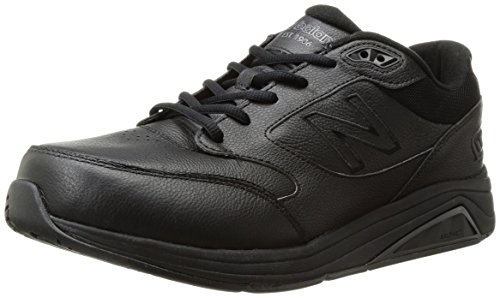
New Balance Men's 928 V3 Lace-Up Walking Shoe
Firm sole and removable insole ideal for custom inserts and fillers.
See today's best deals onAnkle Braces