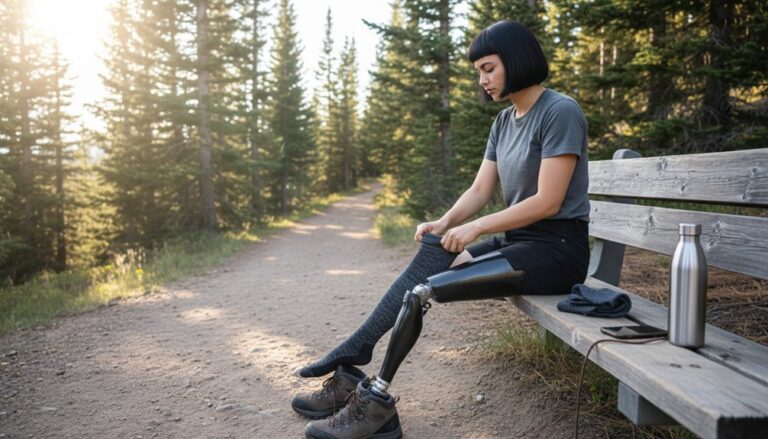
Hi, I am Aria, welcome to my life!

6 Best Prosthetic Socks for Transtibial Amputees That Stay Put
Transtibial amputees: discover the best prosthetic socks that stay put, reduce bunching, wick sweat, and improve fit—see top picks like Cool Blue, IOMI, HURRISE, and gel-lined options.

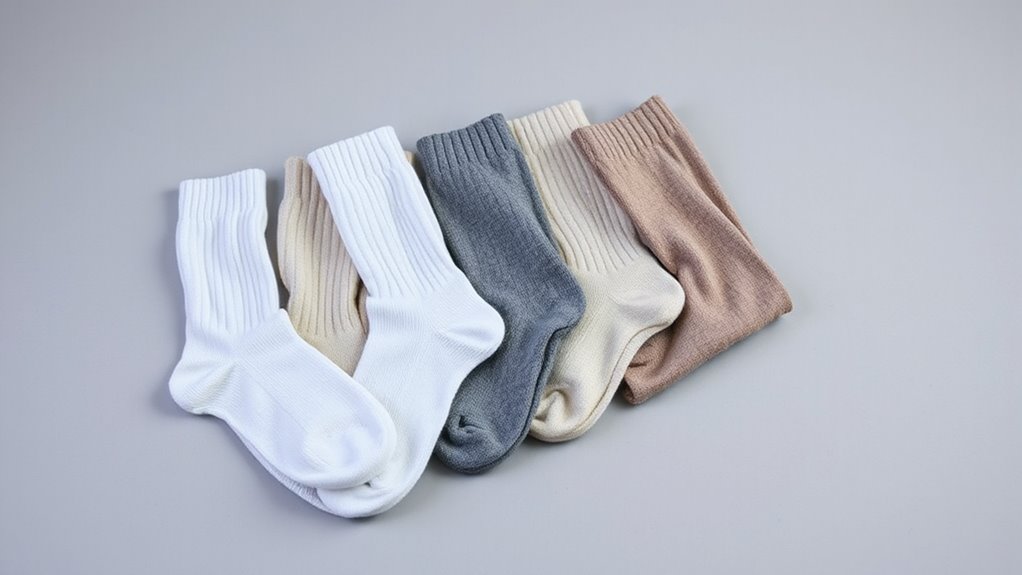
For transtibial fit, use the SPS Cool Blue 5-ply no-hole sock, SockShop IOMI’s high-stretch cotton, or a gel-lined prosthetic sock. Add the HURRISE 5-piece knee-length set or 5-piece seamless cotton pack when volume drops. Match ply to circumference, keep 10–14 in length for short sockets, and reject thin, collapsing, terry-heavy socks; they bunch, bridge, and piston. Choose Coolmax, Lycra, or gel to wick sweat, hold shape, and stay put—more below.
| SPS Cool Blue Prosthetic Sock 5 Ply No Hole (Medium/Short) (CB5MDSH2) |  | Best Moisture Control | Material: Coolmax/Lycra | Cushioning: 5-ply padding | Moisture Control: Moisture-wicking | VIEW LATEST PRICE | Read Our Analysis |
| Generic Generic Gel Prosthetic Sock for Lower Amputees |  | Best Cushioning | Material: Gel/cotton | Cushioning: Gel cushioning | Moisture Control: Sweat-resistant | VIEW LATEST PRICE | Read Our Analysis |
| SockShop IOMI Prosthetic Socks for Below-Knee Amputees |  | Best Medical Fit | Material: Cotton | Cushioning: Terry cushioning | Moisture Control: Breathable | VIEW LATEST PRICE | Read Our Analysis |
| Generic Gel Prosthetic Sock for Lower Amputees | | Best Comfort | Material: Gel/cotton | Cushioning: Gel cushioning | Moisture Control: Breathable | VIEW LATEST PRICE | Read Our Analysis |
| HURRISE 5pcs Prosthetic Socks Knee Bk Stump Shrinker for Amputee (S) | 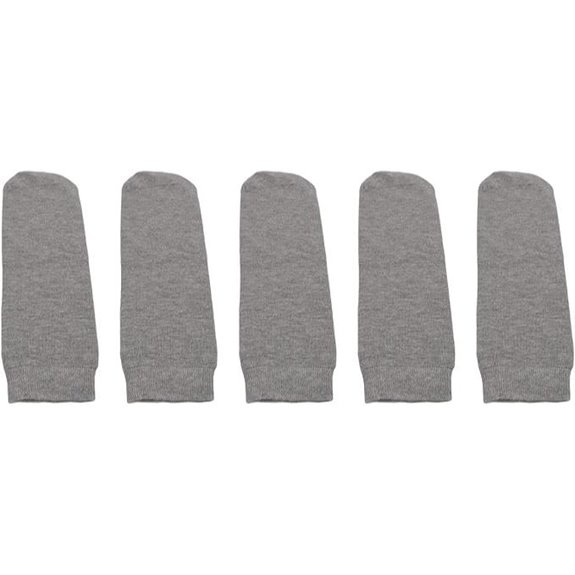 | Best Everyday Pick | Material: Cotton | Cushioning: Thickened knit | Moisture Control: Sweat-absorbing | VIEW LATEST PRICE | Read Our Analysis |
| HURRISE 5pcs Prosthetic Socks Knee Bk Stump Shrinker for Amputee (S) | | Most Durable | Material: Cotton | Cushioning: Thickened cotton | Moisture Control: Sweat-absorbing | VIEW LATEST PRICE | Read Our Analysis |
More Details on Our Top Picks
SPS Cool Blue Prosthetic Sock 5 Ply No Hole (Medium/Short) (CB5MDSH2)
SPS Cool Blue Prosthetic Sock 5 Ply No Hole (CB5MDSH2) is the correct call when you need a medium, short sock for size 1–2 transtibial fittings and you want stable volume control without a distal opening. Use it. The 5-ply build, made from 98% Premium Coolmax fibers and 2% Lycra, keeps thickness and shape consistent through wear. Coolmax pulls perspiration off your skin so it evaporates fast, cutting maceration risk. At 10–14 inches long, with a 3.5-inch toe width and 6–6.5-inch top width, it fits cleanly and stays put.
- Material:Coolmax/Lycra
- Cushioning:5-ply padding
- Moisture Control:Moisture-wicking
- Fit:Medium/short
- Reusability:Durable
- Friction Reduction:Reduced friction
- Additional Feature:5-ply thickness
- Additional Feature:No-hole design
- Additional Feature:Coolmax fiber blend
Generic Generic Gel Prosthetic Sock for Lower Amputees
A generic gel prosthetic sock is the right first-line choice when you need to stabilize a lower-limb residual limb that’s prone to pressure injury, shear, or volume fluctuation. Use it for any transtibial or other lower-limb amputation, especially if you’ve got bony prominences, scars, grafts, burns, diabetic skin, or chronic chafing. The gel disperses load, cushions contact, and its high elasticity cuts shear and friction. The cotton interior adds softness for longer wear. It’s odorless, too. Fit it snugly; stop relying on loose interfaces that invite pain, irritation, and socket instability.
- Material:Gel/cotton
- Cushioning:Gel cushioning
- Moisture Control:Sweat-resistant
- Fit:Universal lower-limb
- Reusability:Long-wear
- Friction Reduction:High shear reduction
- Additional Feature:Odorless gel construction
- Additional Feature:Prominent bone support
- Additional Feature:Customized limb comfort
SockShop IOMI Prosthetic Socks for Below-Knee Amputees
SockShop IOMI prosthetic socks are the correct choice for below-the-knee amputees who need controlled comfort inside the socket, not loose cushioning that collapses under load. You get six blue, 40 cm socks built with soft-touch cotton, terry towel cushioning, and high-stretch fabric. Use them to improve pressure distribution, cut friction forces, and manage residual-limb volume during wear. They’re a first-class medical device, designed by experts for medical needs, and made in Britain. Don’t accept sloppy fit; use these when you need precise, adaptable socket interface control.
- Material:Cotton
- Cushioning:Terry cushioning
- Moisture Control:Breathable
- Fit:Below-knee
- Reusability:Medical-grade
- Friction Reduction:Reduced friction
- Additional Feature:Six-sock pack
- Additional Feature:First-class medical device
- Additional Feature:Made in Britain
Generic Gel Prosthetic Sock for Lower Amputees
Gel prosthetic socks are the right call when stump skin needs controlled interface management—especially for lower amputees with prominent bony landmarks, scar tissue, grafts, burns, diabetic foot changes, or recurrent chafing during gait. You get a gel body with an augmented cotton interior, so pressure spreads, friction drops, and volume shifts stay managed. The highly elastic construction cuts shear between stump and socket, which means fewer hot spots and less skin breakdown. Wear them for balanced movement, better cushioning, and longer comfort. The odorless gel supports hygienic, worry-free daily use.
- Material:Gel/cotton
- Cushioning:Gel cushioning
- Moisture Control:Breathable
- Fit:Universal lower-limb
- Reusability:Long-wear
- Friction Reduction:High shear reduction
- Additional Feature:Odourless gel material
- Additional Feature:Enhanced cotton interior
- Additional Feature:Customized comfort design
HURRISE 5pcs Prosthetic Socks Knee Bk Stump Shrinker for Amputee (S)
HURRISE’s 5-piece knee-length stump shrinker set is the right choice when you need a cotton prosthetic sock that won’t fight the limb or compromise daily fit control. Use the five-sock package for rotation. High-density knitting, fine seam work, and seamless construction reduce abrasion and hot spots. The thickened, anti-pilling cotton stays soft, odorless, breathable, and sweat-absorbing. Pull it on easily; it won’t curb your leg. Keep it for home use or rehab. It’s small, light, and portable. Expect minor manual-measurement variance. Contact customer service for sizing concerns.
- Material:Cotton
- Cushioning:Thickened knit
- Moisture Control:Sweat-absorbing
- Fit:Small
- Reusability:Durable
- Friction Reduction:Low chafing
- Additional Feature:Fine seamless stitching
- Additional Feature:Thickened anti-pilling
- Additional Feature:Knee-length stump shrinker
HURRISE 5pcs Prosthetic Socks Knee Bk Stump Shrinker for Amputee (S)
Five pieces of prosthetic limb stump socks for below-knee amputees give you a practical, repeatable fit-management layer when socket volume fluctuates or pressure points start to build. Use the cotton build—soft, breathable, sweat-absorbing—to control dampness and reduce friction on your stump. The high-density weave resists wear; the seamless splicing cuts seam irritation. Pull them on fast; the elastic opening helps them stay put. Thickened cotton adds cushioning and warmth. Wash them, reuse them, pack them light for travel. Deploy them at home, in rehab centers, anywhere you need disciplined socket management without gimmicks.
- Material:Cotton
- Cushioning:Thickened cotton
- Moisture Control:Sweat-absorbing
- Fit:Below-knee
- Reusability:Washable/reusable
- Friction Reduction:Friction relief
- Additional Feature:Anti-roll opening
- Additional Feature:Washable and reusable
- Additional Feature:Seamless splicing
Factors to Consider When Choosing Prosthetic Socks for Transtibial Amputees
Choose the sock by fit first: it must match your limb volume and socket interface exactly, as a loose ply count drives pistoning, whereas an oversized sock creates shear and skin breakdown.
Control moisture with a fiber blend that wicks fast—merino, acrylic, or technical synthetics—then verify cushioning and compression so you get socket pressure relief without bulk that distorts alignment.
Reject guesswork; inspect material composition and thickness in millimeters, test pressure points in stance and gait, and replace any sock that traps heat, wrinkles, or lets the socket load one spot too hard.
Fit And Sizing
When you’re selecting a prosthetic sock for a transtibial limb, size it to the residual limb’s circumference and length first, since the wrong geometry will bunch, bridge, and create shear. Match sock length to your socket and suspension: short styles run 10–14 in, knee-high options about 16 in. Then dial ply. Three to five ply adds thickness and fills excess volume; lower ply stays lean for tighter fits. Check top width and toe width—around 6–6.5 in at the top and 3.5 in at the toe for medium sizes—so the sock lies flat, not wrinkled. Choose high-stretch blends with Lycra for shape retention. Demand seamless, no-hole construction and soft linings; scars, grafts, and bony prominences don’t tolerate sloppy pressure.
Moisture Control
Moisture control matters on every transtibial fit, since sweat turns a sound interface into a slipping, macerating mess fast. Choose prosthetic socks with moisture-wicking fibers—Coolmax-like synthetics pull sweat off the skin and speed evaporation, which cuts irritation and helps hold limb volume steadier through the day. Avoid cotton-heavy or terry-lined pairs unless you’re prepared to change them often; they soak up moisture and stay damp. Check multi-ply designs carefully: if they lack breathable channels, they’ll trap sweat between layers. Don’t tolerate that. For long wear or heavy activity, use odor-resistant, easy-to-clean socks, as trapped moisture breeds hygiene problems and foul buildup. Dry skin, stable fit, fewer adjustments. That’s the standard.
Cushioning And Comfort
For cushioning and comfort, build around multi-ply or thickened sock constructions—3 to 5 ply, or reinforced terry layers—because they spread peak pressures across the residual limb instead of letting a single bony prominence take the load. Choose gel- or silicone-lined interfaces when gait shear is high; they cut localized pressure and blunt skin irritation. Demand high-density knitting and seamless or anti-chafe openings. Seams are failure points, not features. Keep the inner face soft and breathable—cotton or moisture-managing fibers—so cushioning doesn’t trap sweat and macerate tissue under load. Balance thickness with elasticity. Every added layer changes socket volume, fit, and suspension; if you chase shock absorption blindly, you’ll buy instability and need socket adjustment. Monitor hot spots daily.
Material Composition
Since material choice dictates how the sock behaves under load, start with blends that actually solve the problem: cotton paired with Lycra, or moisture-wicking polyester such as Coolmax, gives you softness, stretch, and shape retention in one package, so the sock can conform without collapsing after repeated gait cycles. Choose breathable, perspiration-wicking fibers to pull sweat off skin fast; that limits maceration during long wear. If you need more cushioning and stable volume control, move to higher-ply or thicker fabric. Don’t ignore construction: seamless, high-density knitting with stretch fibers resists rolling, bunching, and distortion under load. For maximum elasticity and odorless, skin-friendly contact, consider gel or silicone-infused liners. Pick the material that holds shape, manages moisture, and stays mechanically honest.
Socket Pressure Relief
When socket pressure climbs, stop chasing comfort and start controlling interface mechanics. You need multi-ply socks, usually 3–5 ply, to add controlled thickness and fill dead space before bone prominences take the hit. Choose gel-lined or high-cushion designs when you need load spread and lower shear across fragile tissue. Reject thin, compressible socks that collapse under activity; they spike pressure as they flatten. Use high-elasticity socks with stable knit construction so the fit doesn’t migrate and grind. Layer gradually. Add or remove ply one step at a time to match daily volume shifts and relieve pressure without overcorrecting. If the sock can’t hold shape, won’t stay snug, or lets the limb piston in the socket, it’s wrong. You don’t tolerate that.
Durability And Care
Durability isn’t optional; it’s part of fit. Choose high-density knit socks or 3–5 ply constructions; thick fibers hold shape, resist compression, and control volume longer under repeated loading. Inspect them often. Look for thinning, holes, seam fray, or lost elasticity; when the ply collapses or the fit loosens, replace the sock immediately or you’ll invite socket pistoning and skin irritation. Wash exactly as the maker specifies: gentle cycle or hand wash, mild detergent, air dry. High heat and harsh chemicals wreck elasticity and accelerate fiber breakdown. Rotate several socks, don’t abuse one. That spreads wear and keeps cushioning consistent. Store them flat or rolled in a cool, dry place, away from sunlight and heat. Humidity-wicking and elastic blends degrade fast when neglected.
Frequently Asked Questions
How Often Should Prosthetic Socks Be Replaced?
You should replace prosthetic socks when they lose cushioning, stretch out, thin, or start slipping, often every few months with regular use. Check them daily, and replace them sooner if you notice wear or discomfort.
Can Prosthetic Socks Be Worn Overnight?
Usually, you shouldn’t wear prosthetic socks overnight except if your prosthetist tells you to. You need to remove your prosthesis, let your skin breathe, and check for redness, irritation, or swelling before sleeping.
Do Prosthetic Socks Affect Skin Temperature?
Yes, you’ll notice they can affect skin temperature; thicker socks trap more heat and dampness, whereas thinner ones breathe better. You should monitor your skin, adjust layers, and choose materials that keep you comfortable.
Are Prosthetic Socks Compatible With All Prosthetic Liners?
No, you can’t assume prosthetic socks fit every liner; you should check material, thickness, and socket design. You’ll get the best match by asking your prosthetist, since compatibility varies widely across systems.
How Should I Wash Prosthetic Socks to Preserve Elasticity?
Wash them in cool water with mild soap, then air-dry flat. You shouldn’t wring, bleach, or use heat, as that’ll break down elasticity faster and make your socks lose their fit.