Hi, I am Aria, welcome to my life!

6 Best Shrinker Socks for Amputees That Stay Comfortable
Find the best shrinker socks for amputees that stay comfortable, control edema, and fit right. Compare top picks, materials, sizing tips, and avoid slip-prone wraps.

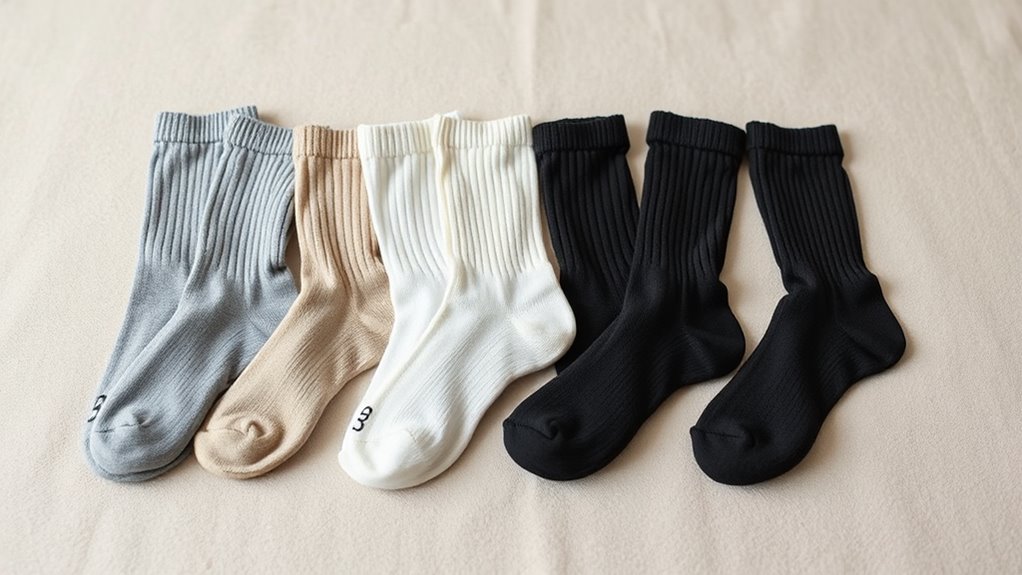
Choose the right profile first: Prosthetic Above-Knee Stump Shrinker Compression Socks use 20 – 30 mmHg polyamide/elastane for edema control, whereas Truform and Jiawu BK shrinkers add ventilated or sweat-absorbent knits for comfort. Tartan V8 works as a 3-ply over-shrinker; the 10-pack cotton socks suit rotation. Measure limb length and circumference, then match the chart. Skip loose wraps; they slip, bunch, and shear skin. Keep going for the practical breakdown.
| Prosthetic Above-Knee Stump Shrinker Compression Socks 20-30mmHg | 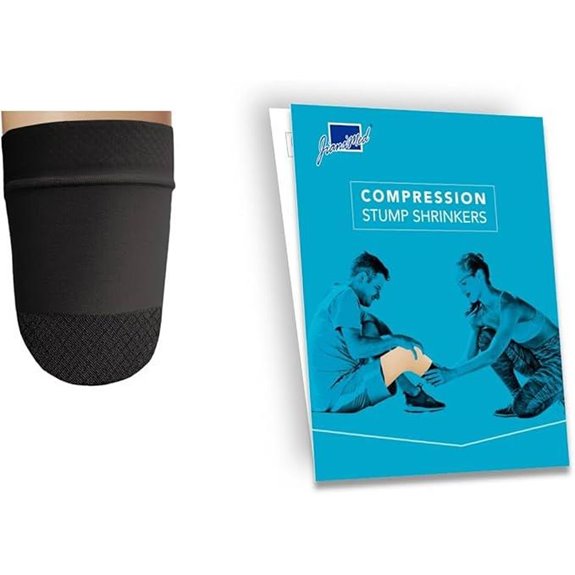 | Best Overall | Amputation Type: Above-knee | Material: Nylon/spandex | Compression: 20 – 30 mmHg | VIEW LATEST PRICE | Read Our Analysis |
| Amputee Sock BTKA “Tartan V8” 3PLY Residual Wound Over Shrinker Sock | 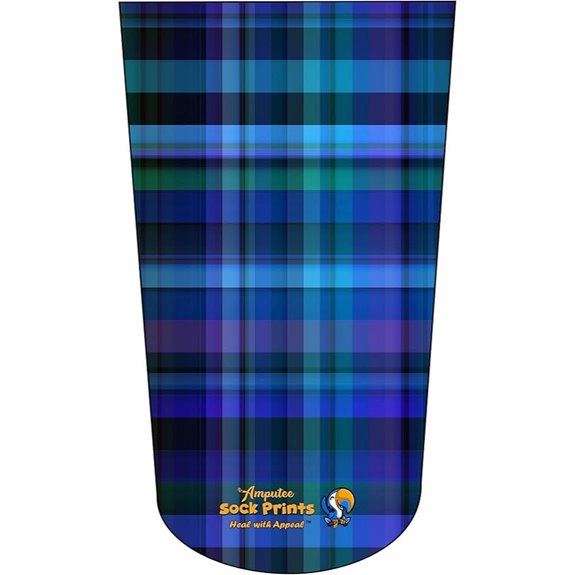 | Best Decorative Sock | Amputation Type: Below-knee | Material: Polyester/spandex/nylon | Compression: Compression-like | VIEW LATEST PRICE | Read Our Analysis |
| 10 Pcs Prosthetic Stump Shrinker Socks |  | Best Bulk Pack | Amputation Type: Amputee | Material: Cotton | Compression: Mild compression | VIEW LATEST PRICE | Read Our Analysis |
| Jiawu Below Knee Stump Shrinker Socks (5 Pack) | 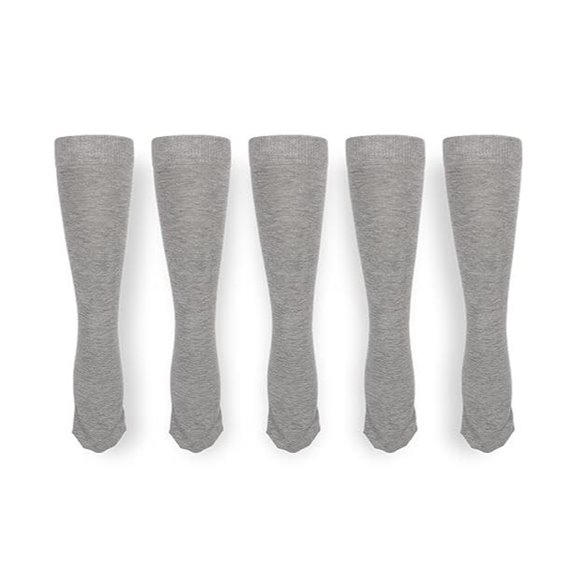 | Best for BK Support | Amputation Type: Below-knee | Material: Cotton | Compression: Compression profile | VIEW LATEST PRICE | Read Our Analysis |
| Truform Below Knee Stump Shrinker Large (16-20″ Calf) | 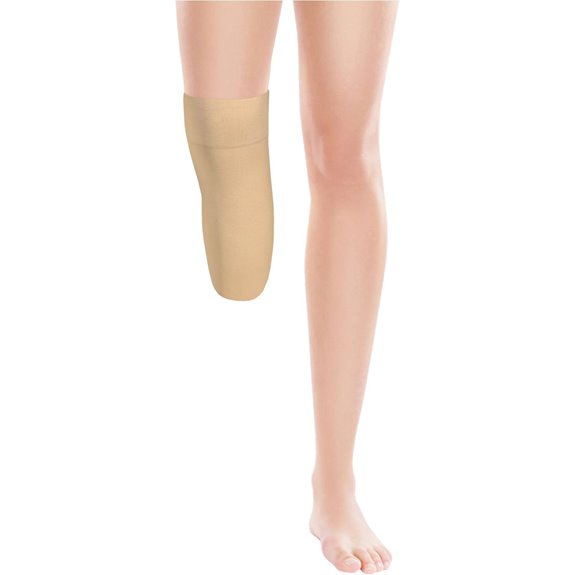 | Best Medical Grade | Amputation Type: Below-knee | Material: Nylon | Compression: Balanced compression | VIEW LATEST PRICE | Read Our Analysis |
| Prosthetic Stump Shrinkers Below Knee Compression Amputee Socks | 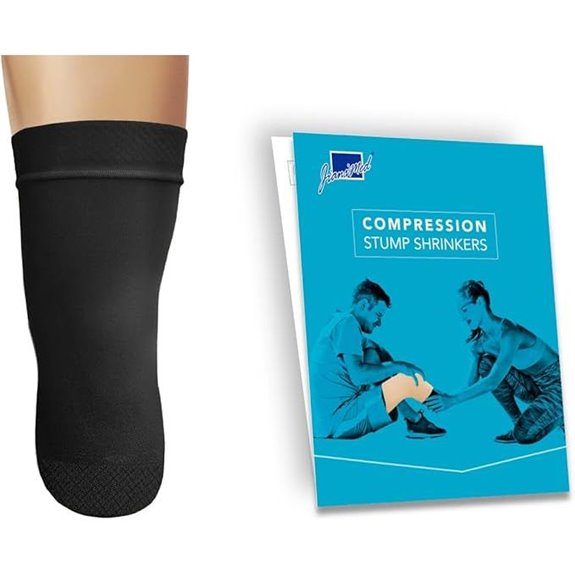 | Best Compression Fit | Amputation Type: Below-knee | Material: Nylon | Compression: Graduated compression | VIEW LATEST PRICE | Read Our Analysis |
More Details on Our Top Picks
Prosthetic Above-Knee Stump Shrinker Compression Socks 20-30mmHg
Choose these Prosthetic Above-Knee Stump Shrinker Compression Socks when you need controlled residual-limb shaping after above-knee amputation. Use the 20 – 30 mmHg graduated compression to drive distal-to-proximal pressure reduction, stabilize edema, and support daily stump management. You get 78% polyamide and 22% elastane, so the knit stays breathable, elastic, and secure without constriction. The seamless, non-restrictive cuff cuts shear and pressure points. Select M, L, XL, or 2XL, 20 cm length. Wear them daily for compression therapy and residual-limb control. Ignore loose, low-grade substitutes; they fail under load.
- Amputation Type:Above-knee
- Material:Nylon/spandex
- Compression:20 – 30 mmHg
- Length:20 cm
- Pack Size:Single
- Use Case:Daily wear
- Additional Feature:Above-knee coverage
- Additional Feature:Seamless design
- Additional Feature:Breathable knit
Amputee Sock BTKA “Tartan V8” 3PLY Residual Wound Over Shrinker Sock
The Amputee Sock BTKA “Tartan V8” is the right over-shrinker layer when you need a 3-ply residual-limb cover that adds warmth, light compression-like support, and dampness control after prosthesis removal, especially for adult below-the-knee amputees with limb circumferences from 10 to 21.5 inches and lengths from 11 to 21 inches. Wear it over your shrinker, not as a device. Its 80% polyester, 15% spandex, 5% nylon blend wicks moisture and holds shape. Turn it inside out, wash warm, dry warm, and don’t bleach. Hand-wash it if you want longer service life.
- Amputation Type:Below-knee
- Material:Polyester/spandex/nylon
- Compression:Compression-like
- Length:11 – 21 in
- Pack Size:Single
- Use Case:Over shrinker
- Additional Feature:Decorative tartan design
- Additional Feature:Moisture-wicking properties
- Additional Feature:Warm water wash
10 Pcs Prosthetic Stump Shrinker Socks
Engineered for prosthetic limb users, these 10 Pcs Prosthetic Stump Shrinker Socks give you a controlled, practical way to manage residual-limb volume without improvisation. Use the cotton construction to reduce leg swelling and edema whilst improving posture and increasing comfort. Choose medium or large, in nude or gray, for men and women. Wear them as needed; the package includes 10 amputee socks, so you’ve got redundancy for rotation and wash cycles. Expect slight size variation from manual measurement, and minor color shifts from screen displays. Don’t ignore fit. If the sock slips, compresses poorly, or bunches, replace it immediately.
- Amputation Type:Amputee
- Material:Cotton
- Compression:Mild compression
- Length:Unspecified
- Pack Size:10-pack
- Use Case:Swelling relief
- Additional Feature:Cotton material
- Additional Feature:Nude and gray
- Additional Feature:Ten-piece package
Jiawu Below Knee Stump Shrinker Socks (5 Pack)
Jiawu Below Knee Stump Shrinker Socks suit adults managing a below-knee residual limb who need controlled compression, daily stump shaping, and skin protection without sacrificing mobility. Use the L set: five cotton socks, 40 cm long, with XL at 45 cm and S/M options. The premium, breathable, sweat-absorbent knit improves blood flow, helps limit edema, and supports post-op protection. The upper stretches to 55 cm without strangling tissue. Keep the anti-roll top flat; don’t tolerate edge curl. Wear them for home rehab, daily prosthetic prep, and activity. Replace worn socks fast.
- Amputation Type:Below-knee
- Material:Cotton
- Compression:Compression profile
- Length:40 cm
- Pack Size:5-pack
- Use Case:Rehab use
- Additional Feature:Anti-roll top
- Additional Feature:Anti-pilling construction
- Additional Feature:Sweat-absorbent fabric
Truform Below Knee Stump Shrinker Large (16-20″ Calf)
Sized for a 16 – 20″ calf, the Truform Below Knee Stump Shrinker is the correct choice when the residual limb needs controlled compression without sacrificing dressing access or prosthetic readiness. Use it to limit edema, stabilize shaping, and support healing. Its medical-grade two-way stretch nylon, reinforced with rubber-core covered yarns, gives surgical-weight durability and balanced compressive elasticity. The ventilated knit helps skin health and circulation. At 14 inches long, it fits the below-knee stump cleanly. Put it over wound dressings when needed. Made in the U.S., it’s built for disciplined post-amputation care.
- Amputation Type:Below-knee
- Material:Nylon
- Compression:Balanced compression
- Length:14 in
- Pack Size:Single
- Use Case:Post-op care
- Additional Feature:Medical-grade nylon
- Additional Feature:Two-way stretch
- Additional Feature:Made in U.S.
Prosthetic Stump Shrinkers Below Knee Compression Amputee Socks
Choose the Prosthetic Stump Shrinkers – Below Knee when you need controlled residual-limb compression that actually stabilizes a transtibial stump: this 40 cm nylon sock delivers consistent, graduated pressure in a 2XL fit for a 20 – 30 cm circumference, and that matters when swelling, shape distortion, or socket looseness is undermining prosthetic use. You’ll reduce edema, support circulation, and preserve contour. Use it for recovery, daily wear, and routine activity. The steady compression can blunt phantom limb pain and improve comfort. JianiMed builds it with reliable Taiwan Excellence manufacturing. Don’t improvise with loose wraps. Match size, apply consistently, and keep the limb ready.
- Amputation Type:Below-knee
- Material:Nylon
- Compression:Graduated compression
- Length:40 cm
- Pack Size:Single
- Use Case:Recovery use
- Additional Feature:Advanced Compression Technology
- Additional Feature:Phantom pain relief
- Additional Feature:Taiwan Excellence
Factors to Consider When Choosing Shrinker Socks for Amputees
You need to match compression to the residual limb’s edema control demands – too little and swelling persists, too much and you’ll choke circulation – so check your prescriber’s target range and the sock’s rated pressure. Measure the residual limb length, confirm above-knee or below-knee design, and choose a material that wicks dampness and breathes, as heat buildup and friction will shred skin integrity fast. Size it precisely: if the fit’s loose, you get slippage and uneven compression; if it’s tight, you get constriction, pain, and tissue breakdown.
Compression Level Needs
Compression level is not a guess; it’s a clinical setting that must match the residual limb. Use 10 – 15 mmHg for light support and 20 – 30 mmHg when you need stronger edema control and contouring. If your skin is fragile, your tissue is still healing, or the limb is tender, stay low. If the stump is mature and shaping lags, move higher – but only with clinician approval. Don’t improvise. Too much pressure can create localized hotspots, skin breakdown, and pain; too little leaves swelling unchecked. Fit matters just as much as mmHg. An oversized sock drops effective compression; an undersized one concentrates force. Reassess often, since volume shifts during rehabilitation change what you need, and yesterday’s setting can fail today.
Residual Limb Length
Measured from the distal tip to the knee crease for a below-knee limb, or to the groin/hip line for an above-knee limb, residual length determines whether a shrinker covers the stump properly and delivers usable compression. Measure in centimeters or inches, then match those numbers to the manufacturer’s length range. Short limbs need shorter, contoured shrinkers; they drive graduated compression proximally and prevent distal pressure points and bunching. Long limbs demand extended-length or above-knee designs, since uniform compression along the full segment reduces proximal edema migration. Check every interface. If the garment crosses a socket brim or dressing edge, it can fold, shear skin, and sabotage suspension. When sizing is uncertain, document the limb length and choose the size that gives full coverage without roll-down or constriction.
Material And Breathability
When selecting a shrinker sock, start with fiber content and knit structure, since the wrong fabric traps heat, holds sweat, and turns a compression garment into a skin-injury device. Choose cotton blends when you need comfort and sweat absorption, but don’t rely on pure cotton; it holds dampness and slows drying. Favor nylon, polyester, and elastane for stretch, shape retention, and moisture-wicking control. Insist on breathable knit patterns or ventilated panels; they increase airflow and cut heat buildup, which lowers maceration risk. Use enough spandex for firm conformity, but avoid excessive percentages that choke ventilation. Verify seamless construction, soft yarns, and anti-pilling finishes. They reduce friction, limit shear, and preserve breathability over repeated wear. Costly failures start with cheap fabric.
Above Or Below Knee
Above the knee, or below it, the choice is not cosmetic – it’s dictated by amputation level and residual-limb geometry. If you’re transfemoral, wear an AK shrinker that reaches proximal to the knee; it shapes the longer stump and reins in distal edema without leaving the limb unsupported. If you’re transtibial, choose a BK garment that ends below the knee, often 14 – 40 cm, and drives graduated compression into the calf and residual-limb cylinder. Match garment length to limb length, or you’ll trap swelling where it doesn’t belong and strangle healthy tissue proximally. Don’t ignore prosthetic mechanics: AK designs can affect sitting comfort and suspension, whereas BK versions usually leave transtibial socket function alone. Measure, verify, then wear the correct profile – nothing else is competent.
Fit And Sizing
Fit is not guesswork; it’s a measurement problem. Measure your residual limb at the widest point and again near the proximal end, then match those numbers to the manufacturer’s circumference chart – 8 – 12, 12 – 16, 16 – 20 inches, or equivalent ranges. Do not trust generic sizing. Check length next: above-knee and below-knee shrinkers must cover the stump without surplus fabric, whether the garment is listed as 14 in or 40 cm. You need snug graduated compression, not constriction. If you land between sizes, take the larger size or consult a clinician; constrictive marks and circulation changes mean you’ve failed. Account for postoperative swelling and daily volume shifts with multiple shrinkers or adjustable options so fit stays controlled through recovery, not just on one measured day.
Daily Wear Durability
Daily wear destroys weak shrinkers fast, so choose garments built from durable yarns – high-nylon blends, rubber-core covered fibers, and similar abrasion-resistant constructions – that resist pilling and keep compressive elasticity through repeated wash cycles. Inspect the knit: reinforced seams, seamless construction, and anti-roll tops cut edge wear and keep the sock seated during gait. Demand medical-grade or surgical-weight fabric with two-way stretch and at least 20% elastane; otherwise, graduated compression degrades and the shape collapses. Read the care label before you buy. Hand-wash-only pieces need disciplined maintenance, cold or warm water limits fiber breakdown, and tumble heat ruins recovery. Buy multiple pairs. Rotate them daily. If you overuse one sock, expect premature thinning, loss of compression, and a shortened service life.
Frequently Asked Questions
How Often Should Shrinker Socks Be Replaced?
You should replace shrinker socks every 3 to 6 months, or sooner if they’ve stretched, lost compression, or show wear. You’ll need new ones when they no longer fit snugly or feel supportive.
Can I Wear a Shrinker Sock Overnight?
Usually, you shouldn’t wear a shrinker sock overnight except if your clinician says it’s okay. You need regular skin checks, and overnight wear can cause pressure issues, numbness, or circulation problems.
How Do I Wash Amputee Shrinker Socks Properly?
You should hand-wash your shrinker socks in cool water with mild soap, then rinse well and air-dry flat. Don’t bleach, wring, or machine-dry them. Check your clinician’s instructions for fabric-specific care.
Should Shrinker Socks Feel Tight or Painful?
They should feel snug, not painful; you’ll notice firm compression, but you shouldn’t get numbness, tingling, or sharp aches. If they hurt, you’ve got the wrong size, and you should contact your clinician.
Can I Use a Shrinker Sock With a Healing Incision?
You shouldn’t use a shrinker sock over a healing incision unless your surgeon says it’s okay. You risk irritation, delayed healing, or infection. If the wound’s closed and cleared, you can wear it safely.


[…] maintain healthy skin while using gel liners, regular skin checks help identify pressure, numbness, or circulation problems […]
[…] the evening, take a moment to check your skin and note how the day went. If you were prescribed a shrinker sock or compression garment, use it as directed rather than wearing extra socks inside the socket. Write […]
[…] skin checks can help identify pressure, numbness, or circulation problems before they become […]
[…] post-operative limb care, a 20 – 30 mmHg graduated compression shrinker sock manages edema and shapes the residual limb, but it should feel snug without causing […]