Hi, I am Aria, welcome to my life!

4 Best Compression Garments for Residual Limbs That Fit Right
Find the best compression garment for residual limbs with a secure, comfortable fit. Compare top above-knee and below-knee stump shrinkers, sizing tips, and the right compression level for better support.


For residual limbs, use Prosthetic Stump Shrinkers Above Knee Compression Socks 3XL, Prosthetic Below-Knee Stump Shrinker Socks, 45cm Compression, Truform-OTC Below Knee Stump Shrinker (Small), or Prosthetic Stump Shrinker Below Knee Compression Sock XS. Match above-knee or below-knee level, length, and circumference exactly; use 20–30 mmHg for active edema. Nylon, two-way stretch, and reinforced hems preserve shape. Wrong sizing causes bunching, rollback, ischemia, and socket failure. Keep going for the fit factors.
| Prosthetic Stump Shrinkers Above Knee Compression Socks 3XL | 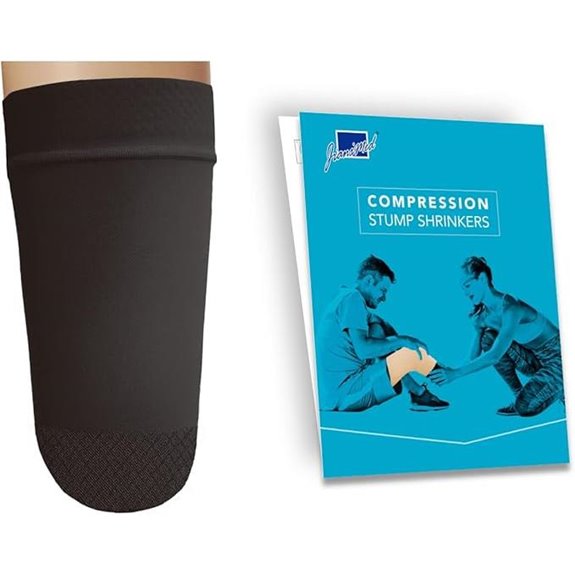 | Best Above-Knee Fit | Compression: Advanced controlled compression | Limb Type: Above-knee | Length: 35 cm | VIEW LATEST PRICE | Read Our Analysis |
| Prosthetic Below-Knee Stump Shrinker Socks 45cm Compression | 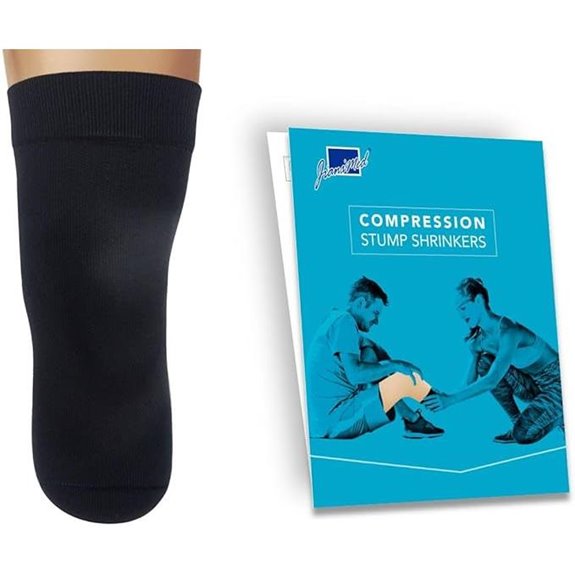 | Best Below-Knee Fit | Compression: Advanced controlled compression | Limb Type: Below-knee | Length: 45 cm | VIEW LATEST PRICE | Read Our Analysis |
| Truform-OTC Below Knee Stump Shrinker (Small) |  | Best for Comfort | Compression: Balanced compressive elasticity | Limb Type: Below-knee | Length: 14 inches | VIEW LATEST PRICE | Read Our Analysis |
| Prosthetic Stump Shrinker Below Knee Compression Sock XS | 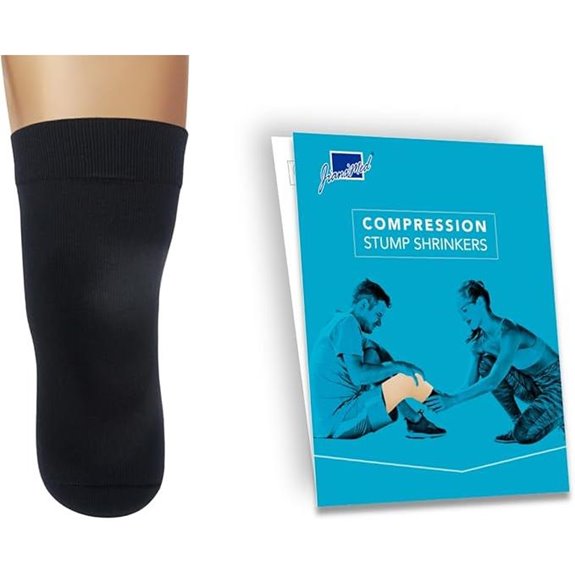 | Best for Small Sizes | Compression: Advanced controlled compression | Limb Type: Below-knee | Length: 40 cm | VIEW LATEST PRICE | Read Our Analysis |
More Details on Our Top Picks
Prosthetic Stump Shrinkers Above Knee Compression Socks 3XL
Choose these above-knee prosthetic stump shrinkers when you need a 35 cm residual-limb compression garment that actually holds contour under load: the 3XL size fits amputee socks 20–30, and the nylon construction with advanced compression technology delivers controlled, consistent pressure instead of the sloppy, uneven squeeze that lets swelling persist. You wear them daily, during recovery, and through routine activity. JianiMed’s Taiwan Excellence build helps reduce swelling, improve circulation, and preserve limb shape for better prosthetic fit. Keep the compression on if you want quieter phantom pain and reliable support; ignore it, and the stump deforms.
- Compression:Advanced controlled compression
- Limb Type:Above-knee
- Length:35 cm
- Material:Nylon
- Swelling Relief:Reduces swelling
- Prosthetic Fit:Improves fit
- Additional Feature:Above-knee design
- Additional Feature:Phantom pain relief
- Additional Feature:Taiwan Excellence
Prosthetic Below-Knee Stump Shrinker Socks 45cm Compression
For a transtibial amputee who needs controlled limb shaping and dependable socket readiness, the Prosthetic Below-Knee Stump Shrinker Socks, 45cm Compression deliver the standard. Use the 45 cm sleeve, 20–30 compression range, and keep pressure even across the residual limb. That compression drives edema reduction, supports circulation, preserves limb geometry, and improves prosthetic fit. Wear it during recovery, daily routines, and continuous support phases. Consistent loading can furthermore help blunt phantom limb pain. JianiMed manufactures it to Taiwan Excellence S standards. Skip loose wraps; they fail.
- Compression:Advanced controlled compression
- Limb Type:Below-knee
- Length:45 cm
- Material:Nylon
- Swelling Relief:Reduces swelling
- Prosthetic Fit:Improves fit
- Additional Feature:Below-knee design
- Additional Feature:Daily wear support
- Additional Feature:JianiMed manufactured
Truform-OTC Below Knee Stump Shrinker (Small)
The Truform-OTC Below Knee Stump Shrinker in Small fits residual limbs or calves measuring 8–12 inches in circumference and should be your standard issue when you need controlled compression after below-knee amputation. Use the 14-inch beige sleeve with medical-grade two-way stretch nylon and real rubber core covered yarns; it holds balanced elasticity, keeps fit, and resists surgical-weight failure. You’ll reduce swelling, control edema, and support blood flow and skin health on post-operative limbs. Apply it over wound dressings or with a prosthetic. Measure the calf, not guesswork. Small means Small. Made in the US.
- Compression:Balanced compressive elasticity
- Limb Type:Below-knee
- Length:14 inches
- Material:Medical-grade nylon
- Swelling Relief:Prevents edema
- Prosthetic Fit:Can be used with prosthetic
- Additional Feature:Made in US
- Additional Feature:Wound dressing compatible
- Additional Feature:Two-way stretch nylon
Prosthetic Stump Shrinker Below Knee Compression Sock XS
JianiMed’s Prosthetic Stump Shrinker Below Knee Compression Sock XS fits the patient who needs controlled, below-knee residual-limb compression without sacrificing prosthetic interface quality. Use the nylon build and advanced compression technology to maintain steady pressure, limit edema, and support circulation. Keep the limb shaped; don’t let swelling distort socket alignment. The 40 cm XS size, 20–30, targets below-knee application. Wear it for recovery or daily routines. Consistent compression can reduce phantom pain and improve comfort. JianiMed manufactures it in Taiwan, backed by Taiwan Excellence recognition.
- Compression:Advanced controlled compression
- Limb Type:Below-knee
- Length:40 cm
- Material:Nylon
- Swelling Relief:Reduces swelling
- Prosthetic Fit:Improves fit
- Additional Feature:40 cm length
- Additional Feature:Daily wear support
- Additional Feature:Taiwan Excellence
Factors to Consider When Choosing Compression Garments for Residual Limbs
You must match the garment to your residual limb length and amputation level exactly, or you’ll get distal bunching, proximal rollback, and unstable compression that works against socket prep. Check the required compression range, then verify material and breathability—nylon-spandex, silicone-lined, or knit blends each behave differently under heat, sweat, and shear—and measure circumference at the widest points, not by guesswork. If the size chart and your limb geometry don’t align within the manufacturer’s stated tolerance, don’t force it; incorrect fit fails fast and ruins daily wear.
Residual Limb Length
Measure residual limb length from the distal bone tip to a fixed anatomical landmark—knee joint line for transtibial limbs, greater trochanter for transfemoral limbs—before you size any compression garment. Longer limbs usually need garments 35–45 cm or more, so compression stays even and doesn’t pile pressure at the distal end or slide proximally. Short limbs demand shorter shrinkers, often with a stronger proximal cuff, to stop bunching and preserve distal compression. If you choose the wrong length, you’ll create a bad pressure gradient, invite distal edema, choke circulation, and sabotage prosthetic socket fit. Recheck length as healing progresses; swelling drops, volume changes, and the limb may shorten functionally. Use adjustable-length designs or sizes that tolerate that shift. Guessing here is sloppy, and sloppy fit fails.
Amputation Level Fit
Fit the compression garment to the amputation level first, then refine by circumference and tissue condition. For transfemoral residual limbs, choose a garment that rises high enough to cover the remaining thigh; for transtibial limbs, select a length that starts just below the knee and reaches the distal end. Measure calf or thigh circumference in inches or centimeters and match it exactly. Too loose leaks edema; too tight crushes tissue at the edge. On above-knee stumps, use reinforced proximal hems or suspensions to stop rolling and preserve uniform compression. Check fabric stretch and cut around scar tissue, dressings, or prosthetic interfaces. Longer residual limbs often demand graduated compression and higher elasticity. Ignore generic sizing charts; they fail under real anatomy and produce pressure ridges.
Compression Range Needs
When edema control is the goal, specify the compression range by healing stage, limb condition, and tissue tolerance—not by habit. Use higher compression—typically 20–30 mmHg or an equivalent class—when you need active swelling reduction after amputation. For a mature, stable residual limb, step down to moderate compression to preserve volume without crushing tissue. Measure circumference and volume first; tapered limbs often accept firmer, localized pressure, whereas bulky or fragile limbs demand gentler loading to avoid ischemia and skin breakdown. If skin is fragile, grafted, or pain-sensitive, start low and escalate only as tissue health improves. Recheck fit often. As edema drops, activity changes, or prosthetic alignment shifts, adjust the range. Guessing is sloppy; controlled compression is the standard.
Material And Breathability
Material choice is not cosmetic; it controls heat, dampness, and compression stability. Choose high-nylon blends when you need durable, elastic compression, but don’t ignore heat retention. Use them where wear time is short or cooling is adequate. For daily use, insist on breathable knit constructions and humidity-wicking fibers; they move sweat off the residual limb, increase air circulation, and reduce maceration risk. Two-way stretch or rubber-core-covered yarns keep pressure consistent while yet flexing during movement and donning. In warm climates or during activity, select porous, lighter-weight fabrics; they vent better. Heavy surgical-weight material delivers firmer compression, yes, but breathes poorly. Demand open-weave zones, sane seam placement, and a length that doesn’t choke ventilation. Cheap, dense cloth traps heat.
Size And Circumference
Circumference controls the whole game: measure the residual limb at the widest and narrowest points, and record limb length, since volume shifts during the day and after surgery will change the garment’s effective compression. Take readings standing, then again at day’s end. Match them to the manufacturer’s circumference chart exactly; a size that’s too tight can choke circulation, whereas a loose garment won’t deliver therapeutic pressure. For above-knee and below-knee shrinkers, verify length too—35 cm, 40–45 cm, or the listed inch range—so the garment covers the intended segment. Re-measure weekly, then monthly as healing stabilizes. If you’re between sizes, start with the larger one and get clinician oversight. Volume drops fast; guessing doesn’t.
Shape Retention Support
To preserve residual-limb shape, choose a garment that delivers true graduated compression—clinical garments are rated in mmHg, and that pressure must be high enough to mold soft tissue, maintain a consistent taper, and suppress bulbous distal ends that wreck prosthetic socket fit. Check fabric mechanics next: two-way or four-way stretch, plus rubber core yarns, determine whether the garment holds tension after weeks of load. Do not buy weak weave. Match length to your geometry—below-knee or above-knee—so force spreads evenly and proximal tissue doesn’t migrate. Inspect hems: rolled or bound edges should sit flat, without gapping or bunching. Finally, demand durable materials that survive repeated laundering and still retain tension; if the garment relaxes, your limb volume control collapses and socket seal suffers.
Daily Wear Comfort
For daily wear, specify a compression garment that’s breathable, perspiration-wicking, and built from nylon blends or comparable technical knits, since trapped sweat drives maceration, skin irritation, and breakdown under all-day prosthetic contact. Choose a controlled compression level—enough to manage edema, never so tight that numbness or circulation compromise appears. Match length to your residual limb: below-knee for transtibial, above-knee for transfemoral, with fit mapped to exact measurements, not guesswork. Demand stretchable, durable construction with covered elastic cores or reinforced seams; cheap fabric sags after laundering. Make donning and doffing simple. Use pull tabs, open ends, or similar aids. The garment should fit snugly, not strangle movement, and stay put during dressing changes and prosthetic wear.
Pain Relief Benefits
Consistent, graduated compression does real work: it gives the residual limb constant sensory input that can dampen phantom limb pain, concurrently additionally improving local circulation and reducing edema, which lowers pressure-related discomfort and ischemic pain. Choose garments that deliver even pressure, not vague sizing; inconsistent compression invites shear, swelling, and socket pain. You need stabilization, too—steady circumferential support preserves limb shape and helps the prosthesis seat correctly. Too little pressure? No relief. Too much? Ischemia, skin breakdown, more pain. Don’t guess. Use surgeon or prosthetist-guided compression levels, especially during recovery and daily wear. A properly fitted silicone sleeve, elastic shrinker, or custom knit garment can keep symptoms down, but only if you match pressure, duration, and skin tolerance. Monitor closely. Adjust fast.
Frequently Asked Questions
How Often Should I Replace a Residual Limb Compression Garment?
You should replace your residual limb compression garment every 3 to 6 months, or sooner if it stretches, slips, or wears out. Ask your prosthetist, since your fit and needs can change.
Can Compression Garments Be Worn Overnight Safely?
Usually, you shouldn’t wear compression garments overnight except if your clinician says it’s safe. You need regular skin checks, circulation monitoring, and proper fit. If you notice numbness, pain, or discoloration, remove it right away.
How Do I Clean Stump Shrinkers Without Damaging Elasticity?
You should hand wash stump shrinkers in cool water with mild detergent, then air dry flat. Don’t wring, bleach, or tumble dry them, as heat and twisting can weaken elasticity and shorten their useful life.
What Signs Mean a Garment Is Too Tight for My Limb?
You’ll know it’s too tight if you feel numbness, tingling, throbbing, sharp pain, skin color changes, swelling above the edge, or deep grooves. Remove it and check fit with your clinician immediately.
Are Custom-Made Compression Garments Better Than Off-The-Shelf Options?
Yes, custom-made garments usually fit your limb better, control pressure more precisely, and reduce slipping. Off-the-shelf options can work if your shape matches standard sizes, but you’ll often get less comfort and support.


