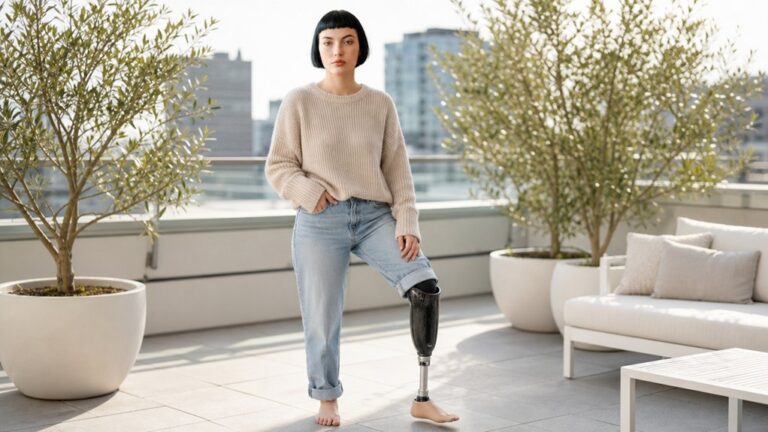
Hi, I am Aria, welcome to my life!

Should You Wear a Shrinker to Bed? Nighttime Compression Rules
Can You Sleep With a Shrinker On? The 1 Rule That Changes Everything


Should you wear a shrinker to bed? That’s a question almost every amputee asks at some point, and the answer isn’t a simple yes or no.
For most of us, taking it off overnight feels like the obvious choice – lying flat spreads fluid evenly, so nighttime compression can feel like extra pressure without much payoff.
But here’s the catch: the rule changes if you’re a new amputee, dealing with swelling, or your doctor gives you specific orders.
In this guide, I’ll break down when nighttime compression is worth it, when it’s just irritating your skin, and how to balance comfort with proper limb management.
You’ll also learn what to do about short naps, dry skin, and the few exceptions where sleeping in your shrinker actually helps.
So, let’s sort out the real rules so you can rest easy without second-guessing your routine.
Quick Answer
- Nighttime compression is rarely needed; daytime wear and movement provide the main benefit.
- Remove shrinkers before bed unless a clinician prescribes overnight use for surgery or lymphedema.
- All-night wear can dry skin, cause irritation, or restrict circulation, especially with arterial issues.
- Check for pale, cold, numb toes or sharp pain; remove the garment immediately if these appear.
- For naps, under 90 minutes is generally safe, but longer rest requires removing the sleeve.
Why Sleeping in a Shrinker Is a Bad Idea for Most People
Compression garments support your veins in pushing blood upward, but that system mostly shuts off when you lie flat.
So sleeping in a shrinker wastes the effort and adds no real benefit for most people.
Sleeping in a shrinker wastes the effort and adds no real benefit for most people.
The true advantage comes when you’re upright, moving, and fighting gravity during the day.
Wearing one to bed often just adds pressure without payoff.
You may hear myths that longer wear means faster healing, but the evidence for overnight use is weak.
Studies rarely show extra benefits for average users, and the main result is added stress on your skin.
Your skin needs a break to breathe and recover after hours of wear.
Prolonged overnight contact can lead to itching, dryness, or irritation, even with a proper fit.
A well-fitted shrinker matters far more than how many hours you wear it, so a correct daytime fit wins every time.
Regular skin checks can help identify pressure, numbness, or circulation problems before they become serious.
Take off your shrinker before you hit the pillow, and your legs, skin, and sleep quality will all improve.
Save the compression for your daily activities, when your body can use it properly, and give yourself the rest you need.
Nighttime Hazards: Skin Damage and Circulation Risks
Wearing a compression garment all night can harm your circulation instead of helping it. When you lie flat, the squeeze turns into constant pressure that blocks fresh, oxygen-rich blood from reaching your tissues.
This is a real risk for anyone with arterial issues, and you might wake up with pale, tingly toes instead of comfortable ones. Your peroneal nerve, which runs along your outer calf, also gets pressed against the fabric for hours.
That can cause numbness or a lingering pins-and-needles feeling that follows you into the morning. Your skin suffers too, because trapped sweat leads to moisture damage, then blisters, and eventually open sores you may not notice until you stand up. Overnight wear is generally avoided unless clinician-approved, and removing the garment for numbness, pain, or discoloration can prevent skin and circulation complications.
Who Actually Needs to Sleep in Compression?

Sleeping in compression is only necessary when a doctor gives you a clear order, not as a daily habit for most people.
When you lie down, gravity stops pulling fluid downward, so the main benefit of compression disappears.
For the average person, wearing compression at night just irritates the skin and causes itching or discomfort.
Nighttime wear is reserved for specific medical situations, like after surgery or managing severe swelling.
Post-surgical patients often need to keep compression on for 24 to 48 hours straight to control bleeding and fluid buildup.
People with severe lymphedema may use overnight wraps as part of a prescribed therapy plan.
Those healing from open wounds rely on continuous pressure to reduce fluid collection and support tissue repair.
Chronic venous stasis, when supervised by a specialist, might also require night compression to manage advanced symptoms.
Advanced edema, where daytime compression alone fails, is another rare case where overnight wear makes sense.
In all these situations, a doctor’s instruction is the deciding factor, not a personal choice.
If you don’t have a specific medical reason, take the stockings off before bed.
Your skin needs a break, and your legs will feel better without the extra squeeze.
No medical excuse means no night compression, plain and simple.
A doctor may also recommend night compression when a tubular elastic bandage offers gentle, even support without Velcro or clips digging into the skin.
Compression-Related Skin Damage Warning Signs to Check First
Peeling, blistering, or a shiny, stretched look means trouble. Your skin is the first warning sign, so pay attention when it complains.
After removing compression garments, give your legs a full sixty-second check. Look for dents, lingering redness, or any tenderness that feels unusual.
If you spot any of those signs, skip wearing them tonight and reassess. A single night off is far better than dealing with a wound that takes weeks to heal.
I learned this the hard way with my own limb, so trust the process. If the garment leaves marks or causes discomfort, it isn’t the right fit for your residual limb. Seamless construction and a non-restrictive cuff help prevent friction and shear stress that can damage fragile skin overnight.
Why Nighttime Pressure Differs From Daytime Wear

Daytime compression works with gravity, which helps the sleeve hug the limb more firmly when you’re upright.
During the night, gravity isn’t pulling downward in the same way, so the pressure naturally lowers.
When you sit or stand during the day, fluid tends to pool in the lower leg, which is why daytime wear focuses on managing that build-up.
At night, your body is horizontal, so fluid spreads out more evenly across the limb instead of gathering in one spot.
Daytime wear is task-focused and movement-driven, meaning the sleeve shifts as you walk, bend, or reach.
Nighttime wear is static and passive, so the fit stays more consistent without as much sliding or bunching.
Breathability matters less during the day because you’re active and airflow helps with sweat.
At night, skin recovery becomes the main priority, so the sleeve needs to stay in place without irritating the residual limb.
For prosthetic users, keeping the socket liner or sleeve stable during sleep helps prevent pressure sores and improves circulation.
This difference in pressure is normal, and adjusting the nighttime fit to be slightly looser can support better skin health.
A shrinker with graduated circular compression stays tighter at the bottom and eases toward the top, which can help the residual limb settle into a more comfortable shape overnight.
Manage Short Naps and Daytime Rest With Compression On
Napping with your compression sleeves on is usually safe, as long as the nap stays under an hour.
Watch for a tingling sensation, cold toes, or a tight band digging in, since those mean the pressure is cutting off circulation.
If you wake up with swollen fingers or feet that look like sausages, remove the sleeves for the rest of the day.
That swelling is your signal to rest without them, not to push through the discomfort.
For amputees, the same rule applies whether you wear a sleeve over a residual limb or a full limb.
Keep daytime rest short and check your skin for redness or indentations after waking.
Choose socks with flat-lock seams or a smooth, seamless interior to reduce pressure points on sensitive residual skin, since moisture-wicking nylon-spandex blends can also help pull sweat away during short naps.
If the sleeve feels too tight at any point, loosen it or take it off completely.
Your goal is gentle support, not a tourniquet, so prioritize comfort and blood flow over keeping the sleeve on.
Napping With Sleeves On
Keeping your compression sleeves on for a quick nap is usually fine, and it rarely causes harm.
The real factor is nap length, not the sleeve itself.
If you sleep for under 90 minutes, you can snooze without taking them off.
The tricky part is sleeve position when you curl up, since a wrinkle can dig into your skin.
Adjust the fabric before lying flat on your back, but don’t obsess over perfection.
A daytime rest with sleeves on helps maintain the pressure that sitting already built up.
Your skin does need a breather eventually, but a short siesta won’t ruin your fit.
I nap daily with mine, and the worst issue I’ve had is a crook in my elbow.
Just loosen the top edge and go to sleep.
Keep the nap short and shift your sleeves first, and you’re set.
Silicone or rubberized inner rings can resist sliding, so a short nap is unlikely to cause micro-grooves provide 30% greater shear resistance than smooth fabric.
Danger Signs to Watch
A quick nap can turn dangerous if the compression garment is too tight, so watch for specific warning signs from your body. I learned this the hard way, so trust me when I say the risk is real.
Sudden breathlessness, like a heavy weight on your chest, means pressure is affecting your heart and you need to act. Unusual dizziness when you shift position is a sign your blood flow is struggling, not just a sleepy feeling.
Tingling or numbness in your toes that persists is a red flag for nerve compression. Cold, pale skin under the sleeve suggests circulation is cut off, even if the fabric feels firm. Sharp pain is never normal snugness, so treat it as an urgent signal.
If any of these appear, remove the garment immediately without hesitation. A twenty-minute nap isn’t worth a midnight trip to the emergency room.
My current rule is simple: keep naps under thirty minutes, and take the sleeve off for anything longer. When I’m unsure, I choose breath over squeeze, because your residual limb needs room for blood flow. Check the residual limb daily for softening, redness, or odor as early signs that compression is compromising skin health.
Listen to your body’s signals over any marketing promises, and if in doubt, loosen or remove the sleeve. The goal is restful sleep, not a medical scare that wakes you up.
The Safer Evening Routine: Remove, Moisturize, and Rest
Take off your compression garments before bed. Your legs need a break from the daytime squeeze, and your skin will thank you for the removal.
Removal isn’t a failure. It’s a key part of skincare. For amputees, proper fit and skin health matter even more, so give your residual limb the same nightly rest.
Removal isn’t failure; it’s skincare. For amputees, healthy skin matters more – give your limb nightly rest.
Choose a thick, fragrance-free lotion with ceramides or shea butter. A basic tub costs about eight dollars and works well.
Wearing compression for twenty-four hours dries out your skin. Dry skin cracks faster, which can lead to irritation or pressure sores.
Make your evening routine a two-minute ritual. Wash the area, slather on the cream, and skip the socks so the lotion absorbs fully.
You won’t wake up with softer calves from sleeping in compression. You’ll wake up with angry red lines and potential skin damage.
Apply the cream, let it soak in, and let your legs sprawl across the mattress. They don’t own the bed, but they negotiate well.
Remove compression by 9 PM, moisturize generously, and rest fully. Your compression device works with your day movement, not your dreams.
Trust this simple routine. Your skin is the real keeper, especially for amputees who rely on a healthy limb every day. For prosthetic users, a firm, high-viscosity balm applied before bed can help repair areas stressed by liner shear and socket friction.
Frequently Asked Questions
Can I Wear a Shrinker During a Flight?
Yes, you can absolutely wear a shrinker on a flight. Cabin pressure and long periods of sitting can increase swelling in your residual limb, and compression helps counteract that fluid shift.
I always tell patients to keep the shrinker on for the entire journey, especially if you have a fresh amputation or are managing fluctuating volume. However, make sure it fits snugly but not so tight that it restricts circulation, because your limb can swell mid-flight and turn a good fit into a painful one.
Bring a backup shrinker in your carry-on, because sweating and movement can loosen the fabric over a few hours. If you feel numbness, tingling, or a throbbing pulse under the shrinker, remove it for 15 minutes and reapply after a gentle massage.
For long naps, you can loosen the top edge slightly, but do not take it off completely unless you have severe discomfort. Consult your prosthetist or doctor before flying if you are under 6 weeks post-op, as they may advise a different compression schedule.
Also, request an aisle seat so you can stand and walk every hour, which boosts blood flow and reduces the risk of deep vein thrombosis. Keep your shrinker clean and dry, and pack a spare pair in case the first one gets damp from cabin air or perspiration.
If you wear a prosthetic liner, your shrinker can go over it, but never under it, because that traps moisture and can cause skin breakdown. For long international flights, consider a silicone gel liner under a looser shrinker for extra cushioning, but test this combo at home first.
Finally, hydrate well before and during the flight, and avoid alcohol and salty snacks, which worsen swelling. The shrinker is your tool, not a prison, so listen to your body and adjust as needed, but don’t skip it unless a medical professional says otherwise.
Does Sleeping in a Shrinker Help Reduce Morning Swelling?
Sleeping in a shrinker is not a magic fix for morning swelling.
Gravity is off your side at night, so fluid tends to settle evenly rather than pool in your limb.
That means a shrinker worn overnight does little to fight the residual swelling you see after waking.
Your body’s fluid shifts are driven by position and activity, not just compression.
For most amputees, the real benefit of a shrinker comes during daytime wear when you’re upright and moving.
That’s when compression actively pushes fluid back into your circulatory system.
If you sleep with a shrinker, you risk skin irritation or excess pressure on bony areas without gaining much ground.
I’ve seen patients wake up with tighter socks, but rarely a true reduction in morning fluid.
Instead, put your shrinker on first thing in the morning before you get out of bed.
Sit up slowly, wrap it snugly, then stand and walk for ten minutes to kickstart your circulation.
If you still notice swelling by midday, reapply the shrinker for 20 to 30 minutes while seated.
That targeted compression works far better than sleeping in it all night.
Bottom line: skip the overnight squeeze for your skin’s health.
Your morning routine with a proper shrinker will help you manage fluid shifts more effectively.
Can I Reuse a Shrinker After Washing It Nightly?
Yes, you can absolutely reuse your shrinker nightly, but you need to manage wash frequency carefully. I have worn one for years, and daily washing is non-negotiable for skin health and odor control.
However, fabric care matters just as much as hygiene. Always air-dry your shrinker flat, never in a dryer, to preserve the compression fibers and extend its lifespan.
Do not wring it out after washing; that twisting motion permanently damages the knit structure. Instead, gently press it in a towel to remove excess water, then lay it flat.
For best results, rotate between two shrinkers so each one gets a full day to dry completely. This prevents bacterial buildup and keeps the elastic memory intact, which is critical for consistent edema control.
Watch for signs of wear like loss of firmness or loose stitching, since a weakened shrinker won’t provide the compression your limb needs. Replace it every three to six months, depending on use and washing frequency.
If you sweat heavily or have open wounds, wash after every wear without exception, but use a mild, fragrance-free soap to avoid skin irritation. Your shrinker is a medical tool, and treating it with care means it works harder for you nightly.
Will a Looser Shrinker Be Safer for Overnight Wear?
Think of Martha, whose loose shrinker slipped nightly. It’s safer because it avoids pressure points, but it is less effective at controlling swelling.
Material elasticity slackens over time, so a baggy shrinker simply cannot deliver the consistent compression your residual limb needs. For bedtime comfort, a snugger fit beats a baggy one, since it stays put and prevents friction blisters.
Check the fabric for stretch marks, and pinch the seam to test tension. If you can pull it more than two inches away from your skin, it is too loose for overnight use.
A well fitted shrinker should feel firm but not painful, like a gentle hand squeeze. I recommend rotating two shrinkers to maintain elasticity, and washing them nightly in cold water to keep their shape.
Always check with your doctor or prosthetist before switching fit levels, because too tight can cut circulation, and too loose can cause edema.
My rule of thumb: if it slides down during the day, do not risk it at night. Choose a compression level your clinician approves, and replace it every three months for safe, effective overnight wear.
How Do I Know if My Shrinker Is Too Tight?
You will know your shrinker is too tight when you feel tingling, notice deep indents in your skin, or wake up with a numb limb. These are not minor annoyances; they are clear signals that compression is restricting blood flow and nerve function.
Check your skin every time you remove the shrinker, looking for redness, dark discoloration, or cool patches that do not warm up. Press on the end of your residual limb for two seconds and see if color returns quickly; slow refill means you need more room.
If you ever feel a sudden, sharp pain or a burning sensation, take the shrinker off immediately, even in the middle of the night. Do not wait for morning or try to “tough it out,” because prolonged pressure can cause tissue damage or pressure sores.
A properly fitted shrinker should feel snug, like a firm handshake, but it should never leave deep grooves that stay after removal. Your limb will change volume daily, so what fits today may not fit tomorrow, especially in the first months after amputation.
Always size up if you see blistering, skin breakdown, or if your toes or distal end turn blue or purple, since that means the sock is acting like a tourniquet. You can also test by sliding one finger under the top edge; if you cannot get it in, it is too restrictive.
Remember that your body is the ultimate judge, so trust its feedback over any chart or measurement. If you are constantly adjusting or removing it at night, you are not being difficult; you are protecting your healing and your future prosthetic fit.
Rounding Up
So, if you’re not chasing that medical-grade squeeze post-op, ditch the shrinker at night. I’ve done the sleepy experiment, woke up with grooves like a waffle, and learned my lesson. Your skin needs a breather, not a vice. Treat bedtime like a truce; let your limbs chill, hydrate, and heal. It’s cheaper than a dermatologist. Bottom line: save the compression for your commute, not your dreams. Your circulation will thank you.